




Choose a consent management platform around your data, audience, channels and the team who will operate it. Cookiebot, CookieYes and iubenda offer self-serve options; OneTrust, Didomi and TrustArc offer broader enterprise workflows. Cookie Information and Savira are also worth evaluating for their particular scope. Trial the actual implementation rather than treating business size or a vendor badge as proof of fit.
What a consent management platform actually does
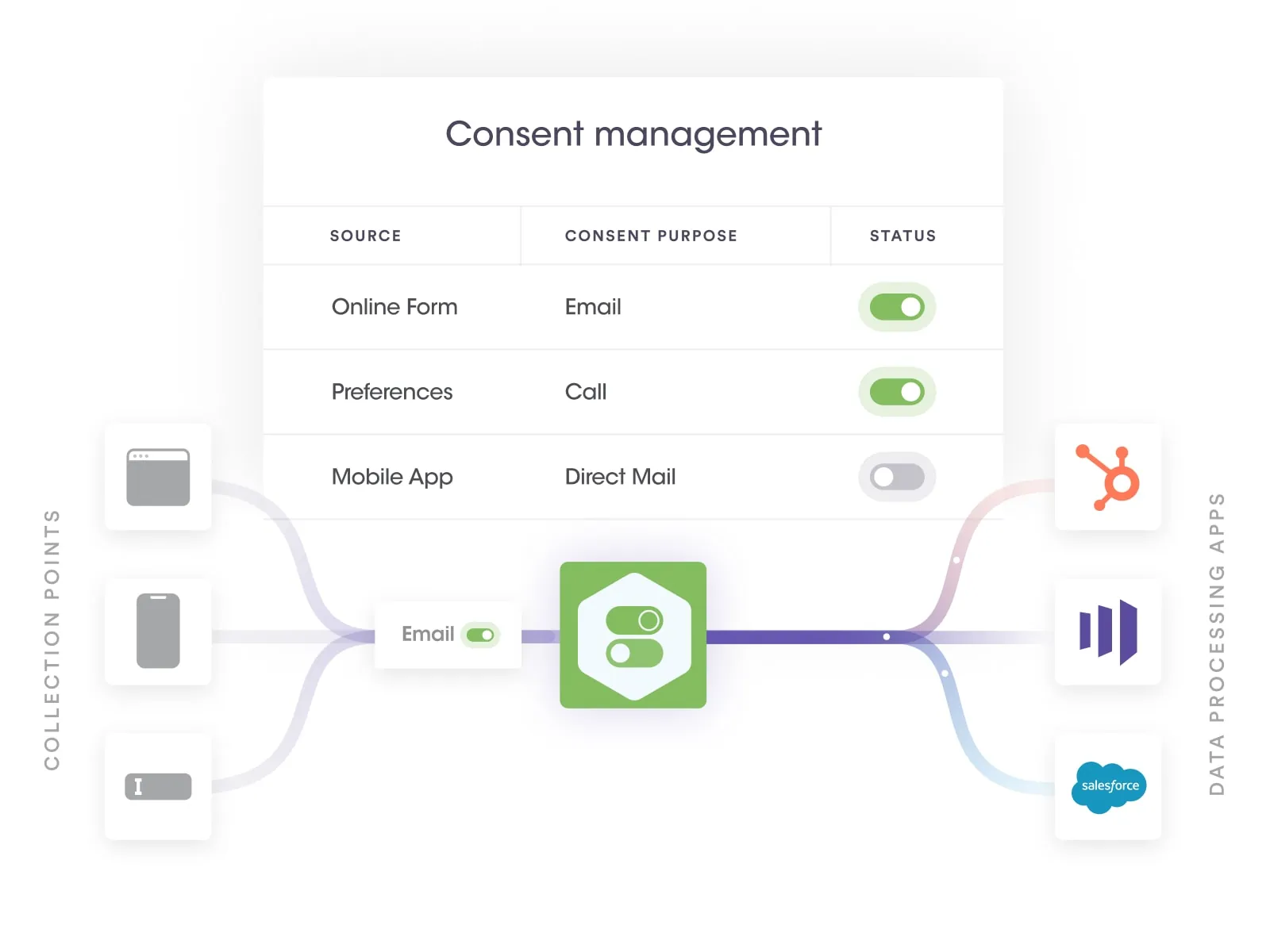
A CMP can present choices, store a consent record, communicate permitted purposes to connected tools and offer a way to change preferences. The actual coverage depends on the product and integration. A banner alone does not control every tag, app SDK, server event or onward disclosure.
Test whether technologies that require prior consent are actually held back. Check both browser and server-side routes before a choice, after acceptance, after rejection and after withdrawal. Google Consent Mode signals do not themselves establish consent or guarantee that no network requests are sent.
How to choose: eight criteria for Australian sites
For an Australian business, assess applicable Australian obligations alongside any overseas rules that cover your activities. Use the following questions to compare tools; confirm the legal requirements separately from vendor claims.
Here is how we would turn those into questions for a vendor demo:
- Legal fit. Does the tool let you set rules by region, so a visitor in Sydney sees a different default from one in Berlin?
- Genuine choice. Can you put accept and reject on the same layer, with equal weight?
- Sensitive information. If you run a health, finance or education product, can you stop pixels from firing on pages where sensitive details might be collected?
- Records. Can you export a timestamped log of what a specific visitor chose?
- Scanning. How often does it rescan for new cookies and trackers, and does it alert you?
- Integrations. Does it work with Google Tag Manager, your CMS and your mobile app?
- Ownership. Can your team edit the banner without filing a support ticket?
- Pricing. Is the price published, and in what currency?
Why Australian law shapes the shortlist
First establish whether the Privacy Act and APPs cover your organisation and processing. The OAIC pixel guidance explains collection, disclosure and direct-marketing obligations. For sensitive information, consent and reasonable necessity matter, subject to limited exceptions. The OAIC generally expects pixels to be configured to avoid collecting or disclosing sensitive information, rather than treating a banner as permission for any collection.
Where consent is relied on, the OAIC APP Guidelines require an informed, voluntary, current and specific choice from someone with capacity. Provide enough information to understand the consequences and avoid bundled or pressured choices. Direct-marketing requirements depend on the activity; APP 7, the Spam Act and Do Not Call rules have different scopes.
The platforms compared
This is a shortlist by product scope, not an independent performance ranking or legal certification. Vendor pages were checked on 2 November 2026. Compare domains, pageviews, scan depth, channels, support and billing currency before purchase.
Use each vendor's current pricing and written quote. The older third-party euro estimates are not a reliable budget for Australian customers. Confirm currency, GST or other taxes, billing term, overages and which features are included.
OneTrust
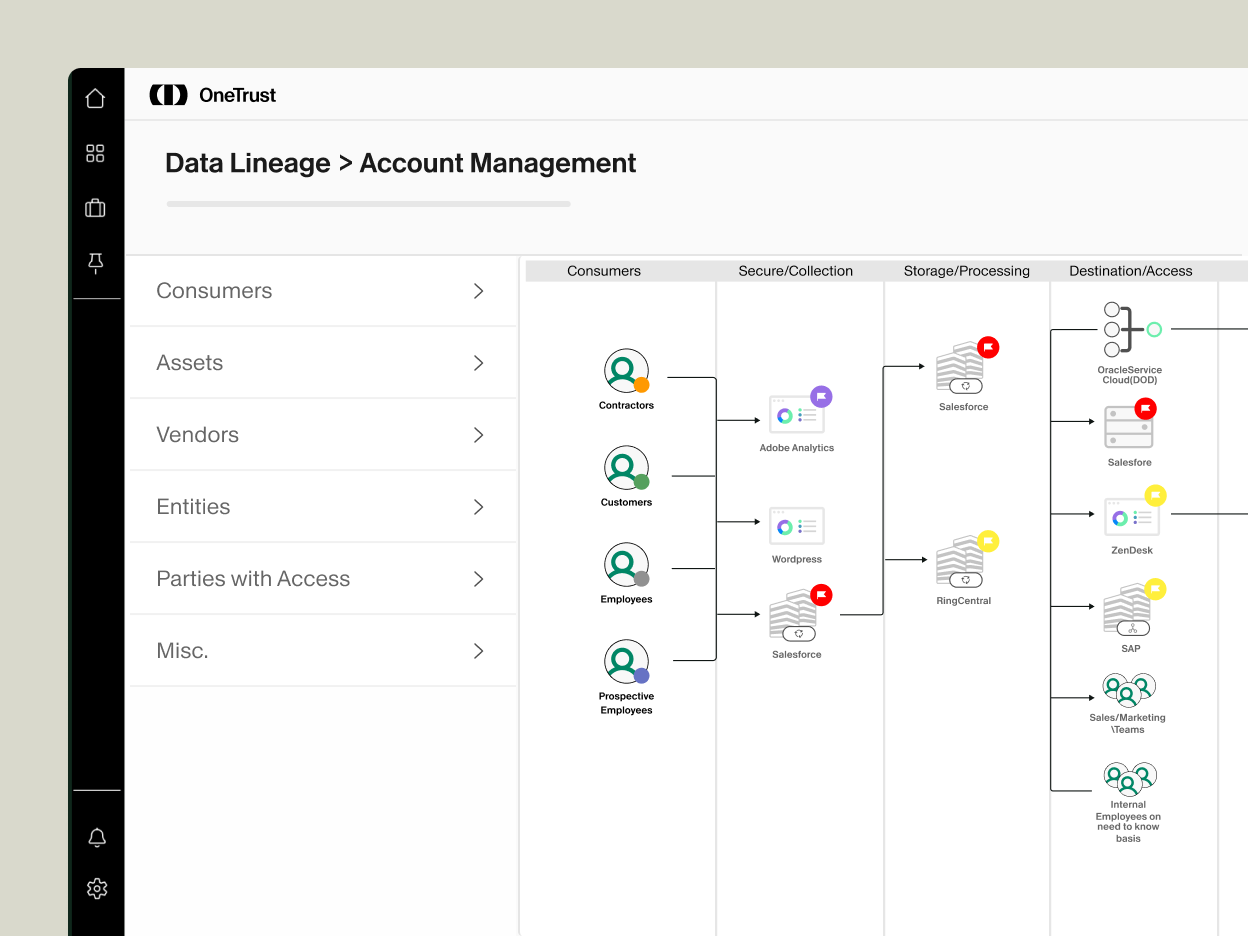
OneTrust offers discovery, consent configuration and broader consent workflows. Evaluate web, app and connected-device requirements against the specific products in the quote. Confirm implementation effort, integrations, languages and testing access rather than assuming every channel is included in a website banner licence.
Didomi
Didomi now positions its CMP as an enterprise product across websites, apps and connected devices. It offers banner analytics and A/B testing. Evaluate its cross-channel workflow as well as design flexibility; optimise comprehension and free choice rather than pursuing opt-in rate alone.
Cookiebot by Usercentrics
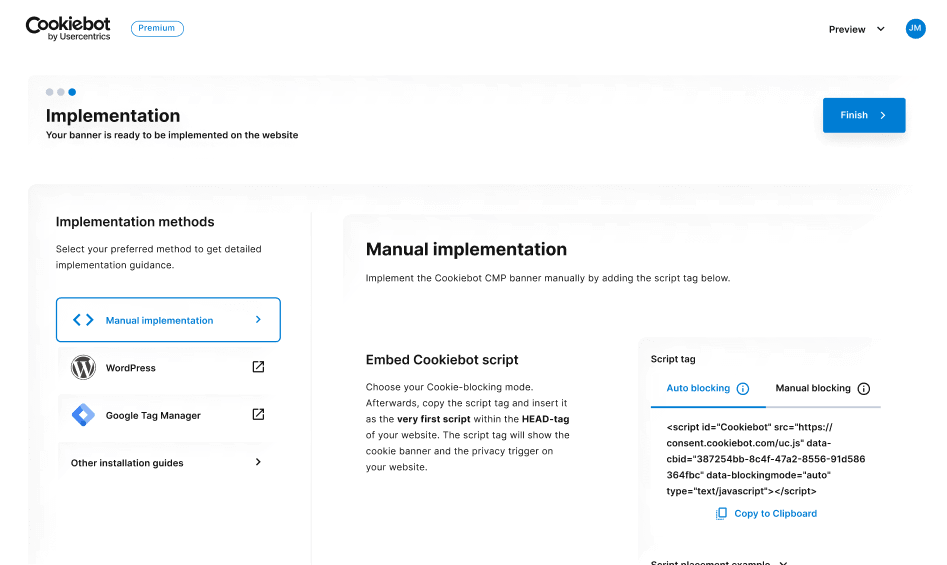
Cookiebot by Usercentrics offers website scanning and consent management with platform integrations. Its page lists a free plan for one domain with up to 50 subpages and paid plans from EUR 7 per month, checked on 2 November 2026. Confirm the qualifying page count, scan cadence, customisation and billing terms. Self-serve installation still needs tag testing before launch.
CookieYes
CookieYes offers a free tier listing 100 pages per scan and 5,000 monthly pageviews, checked on 2 November 2026. Paid plans add allowances and features. Confirm the selected currency, domain charges, geotargeting, scheduled scans and any overages before budgeting.
iubenda
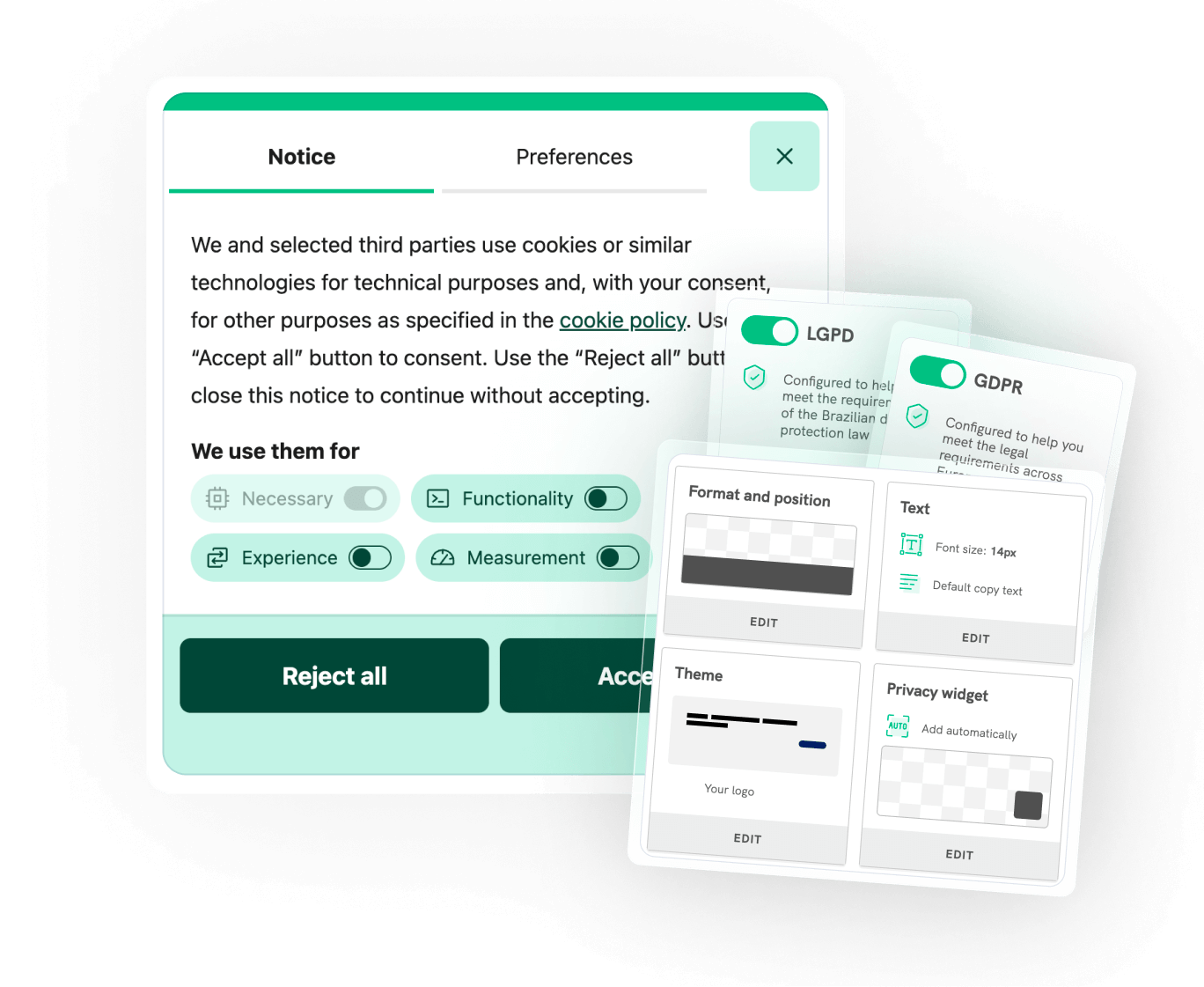
iubenda offers consent controls and policy-generation products. It can suit teams wanting those workflows from one supplier, but check which modules and allowances are included. Generated policies need to describe the actual processing and do not replace a review of your obligations.
TrustArc
TrustArc combines cookie-consent tooling with a wider privacy product range. Test discovery, regional configuration, consent records and integration behaviour in your environment. Confirm accessibility evidence and required framework support for the particular version and contract rather than treating a product claim as a compliance guarantee.
Cookie Information and Savira
Cookie Information currently lists an Essential website banner from EUR 19.50 per domain per month. Check the calculator, page count and scan coverage. The old Base/Plus/Expert figures should not be assumed to describe current packaging. Test checkout, authenticated routes and dynamic pages directly; a scanner may not reach them unaided.
Savira describes an Australian-focused consent and contact-record workflow. Before shortlisting it as a website CMP, verify script blocking, scanning, regional rules, withdrawal propagation and evidence export. Contact-record allowances and AUD pricing alone do not establish parity with a cookie-scanning product; request current scope and pricing.
OneTrust vs Didomi in plain terms
The short version: OneTrust is about regulatory automation and orchestration across channels, while Didomi leans toward UX and consent-rate optimisation for mid-market and publisher teams, according to Legiscope.
Put the same acceptance tests to both OneTrust and Didomi. Both have enterprise and cross-channel capabilities; the decision depends on integrations, governance, implementation support and the quoted modules. A self-serve tool can also fit if it meets your actual requirements.
Keep the scanning going
Scans are one part of assurance. Re-test after a tag, plugin, checkout or marketing change, and schedule recurring reviews based on risk and release frequency. An incognito check alone will not reveal all authenticated, regional, app or server-side behaviour. Keep an owner and a record of what was tested.
Include sensitive routes, embedded content and server-side integrations in the review. Use browser network inspection and your backend logs where appropriate, and compare results with the documented purposes. Our web app security checklist covers related security hygiene.
Cookie categories and when consent applies
Necessary, functional, analytics and advertising are useful inventory labels, but a label does not determine the legal outcome. Document what each technology stores or accesses, which data it sends, to whom and for what purpose.
- Necessary functions: assess the applicable rule and whether the technology is genuinely needed for a service the person requested. Do not relabel advertising or convenience features as essential.
- Analytics and functionality: examine actual collection and device access, applicable exemptions, and the configuration. Cookie-free does not mean obligation-free.
- Advertising: review consent, disclosures and marketing rules for the processing and jurisdiction. A vendor's legitimate-interest setting is not a universal substitute for prior consent.
Australian privacy law and European cookie/data-protection rules are different frameworks. EU GDPR territorial scope depends on factors such as establishment, offering goods or services, or monitoring behaviour; a visit from Europe alone does not settle it. Obtain advice for the actual activities and countries before choosing region defaults. A CMP implements choices; it does not decide the law for you.
Cookie banner UX: what makes consent genuine
Evaluate the technology and the experience together. Explain purposes clearly, make refusal easy and test that choices actually control the relevant processing. Treat these design principles as a baseline to assess against applicable requirements, not a universal legal formula.
Offer clear accept, reject and preference controls without preselected optional purposes or misleading emphasis. Make changing or withdrawing a choice easy to find. Then test the behaviour behind each control; button appearance alone does not establish valid consent.
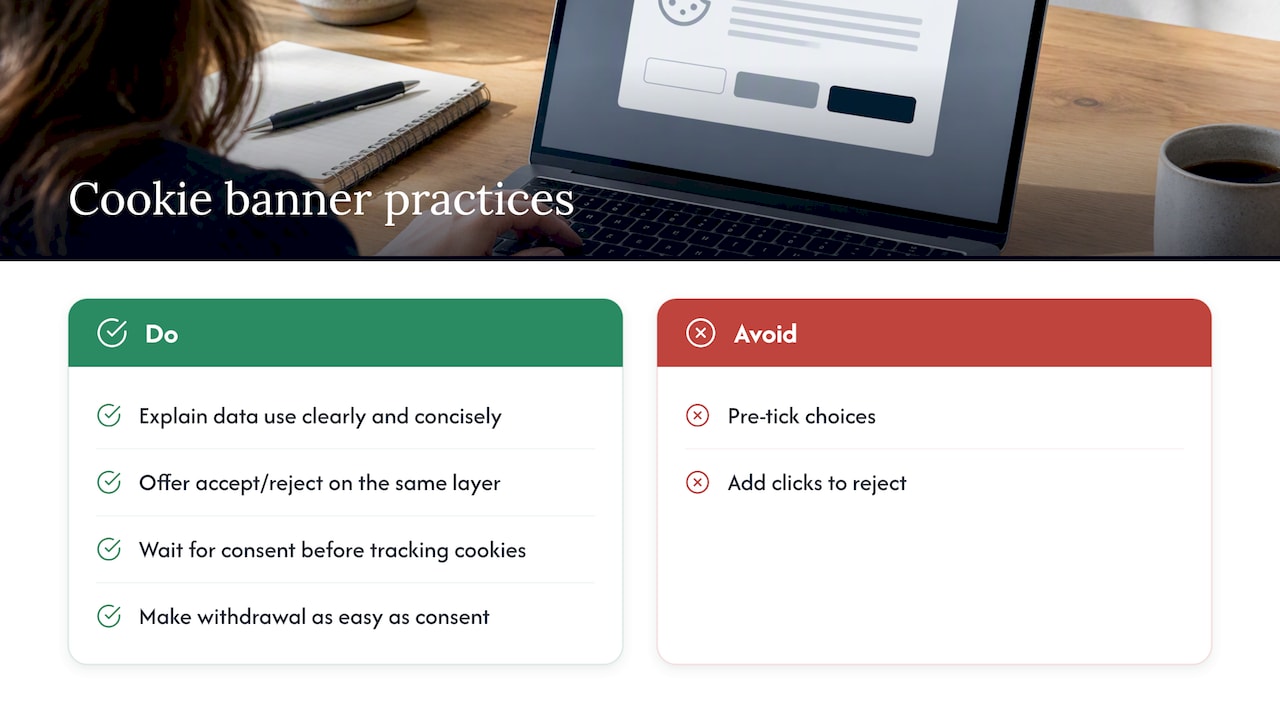
Closer to home, the NSW Design System recommends clearly explaining purposes, letting users accept, reject or customise, using concise language, offering a permanent way to manage preferences, and never making rejection of non-essential cookies difficult.
A practical banner checklist
- Write the first line as a human would say it: what you collect and why, in under 30 words.
- Give "Accept" and "Reject" the same size, colour weight and position.
- Put category choices one click away, with no pre-ticked boxes.
- Add a persistent "Cookie settings" link in the footer.
- Test on mobile first, where banners often cover half the screen.
- Check that rejecting really stops the tags, using your browser's network tab.
There is a commercial upside too. A clear, honest experience builds trust, while annoying or confusing banners frustrate people into leaving. Cookie Information describes the gold standard as granular category choices, active opt-in and simple language, which keeps dark patterns out. Your privacy policy deserves the same care, and our piece on privacy policy UX fixes you can ship in one sprint shows how.
Our perspective
We design consent flows for a living, and what we see again and again is that the platform is rarely the problem. The problem is that the banner was installed by the legal team, styled by nobody, and never tested with a real person.
A banner is the first interaction many visitors have with your brand. If it is clumsy, evasive or hostile, you have told them something about how you treat their data before they have read a word. If it is clear and respectful, you have earned a little trust at the exact moment you are asking for it.
That is why we treat consent as a product design problem with a compliance constraint, not the other way round. We run research, test the wording, measure what happens to the rest of the funnel, and iterate. Honest design and good measurement are not in tension. When people understand the choice, the opt-ins you do get are cleaner and the analytics built on them are more reliable.
If you are choosing a CMP, pick the one your team can actually operate, then invest the saved effort in the experience around it. Better still, make sure you have an analytics setup that respects those choices. We have written about alternatives to Google Analytics for exactly that reason.
Get the banner and the funnel working together
Raw Studio can help make consent flows clearer through UX/UI design and testing. Our Full UX/CRO Audit starts from $3,500 plus GST as a one-off, and the UX/UI Design Team starts from $8,400 per month plus GST. Confirm scope before booking. Design support does not replace legal advice about your processing.
Not ready to commit? Start with our free UX audit, or read how we approach conversion rate optimisation without sacrificing user trust. Our guide to data-backed UX changes that lift conversion shows what testing looks like in practice.