
Balancing Paid Customer Needs and New User Experience: UX Strategies for B2B Products

One of the most persistent challenges in B2B product design is balancing the demands of paid customers with the User Experience of new users. Enterprise and mid-market clients often bring revenue, influence, and urgency. In contrast, new users bring future growth, scalability, and long-term product health.
This tension matters because User Experience is cumulative. Every custom feature, exception, or shortcut added for a paying customer shapes the product that new users encounter. Research from Pendo shows that over 80 percent of SaaS features are rarely or never used, often because they were built for narrow customer requests rather than broad usability. In B2B products, this dynamic can quietly erode clarity, onboarding success, and adoption rates.
Table of Contents
Understanding the Conflict Between Custom Features and Usability
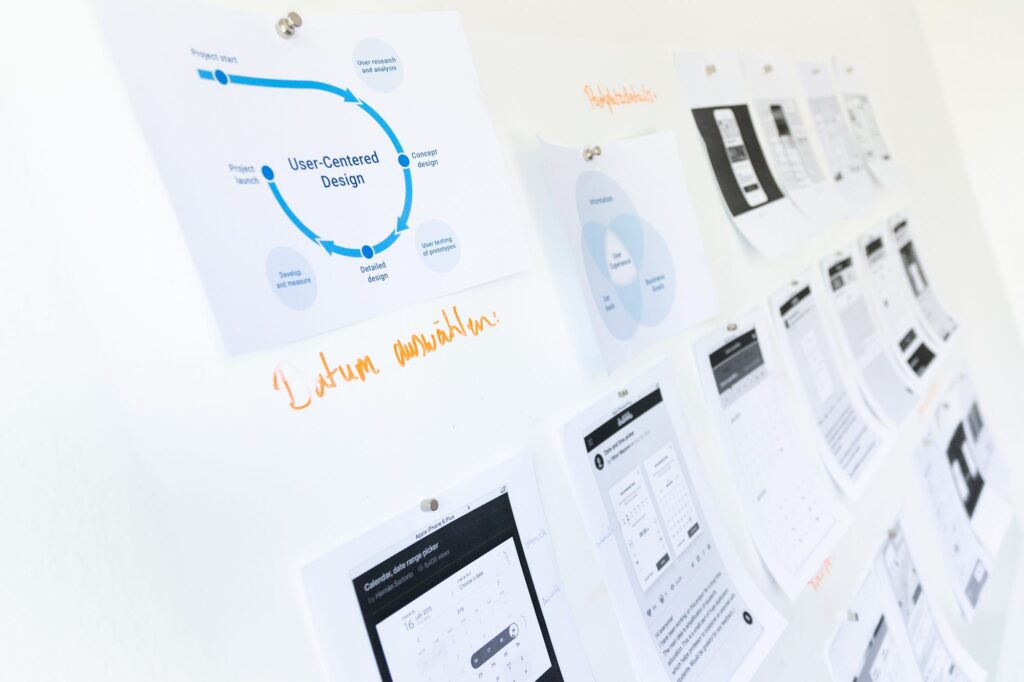
Paid customers frequently request tailored workflows, advanced configurations, or exceptions to standard logic. From a business perspective, these requests feel justified. From a User Experience perspective, they often introduce hidden complexity.
Customized features can fragment core flows. Changes to information architecture can make navigation and understanding more difficult for users, as disorganized or inconsistent structures hinder intuitive access to content. A new user may face conditional logic, overloaded settings, or terminology that only makes sense for one customer segment. Nielsen Norman Group research consistently shows that complexity and inconsistency are among the top causes of onboarding failure, especially in enterprise software.
Complexity and inconsistency directly impact what defines user experience, the overall perception, feelings, and responses of a user during interaction with a product, system, or service.
What begins as a reasonable customization can slowly distort the mental model of the product. New users do not see a streamlined system designed for learning. They see a product shaped by historical compromises.
The Cost of Prioritizing Short-Term Business Wins
Revenue pressure can push teams to prioritize high-value accounts over broader usability. While this may deliver short-term gains, data suggests it often harms long-term growth.
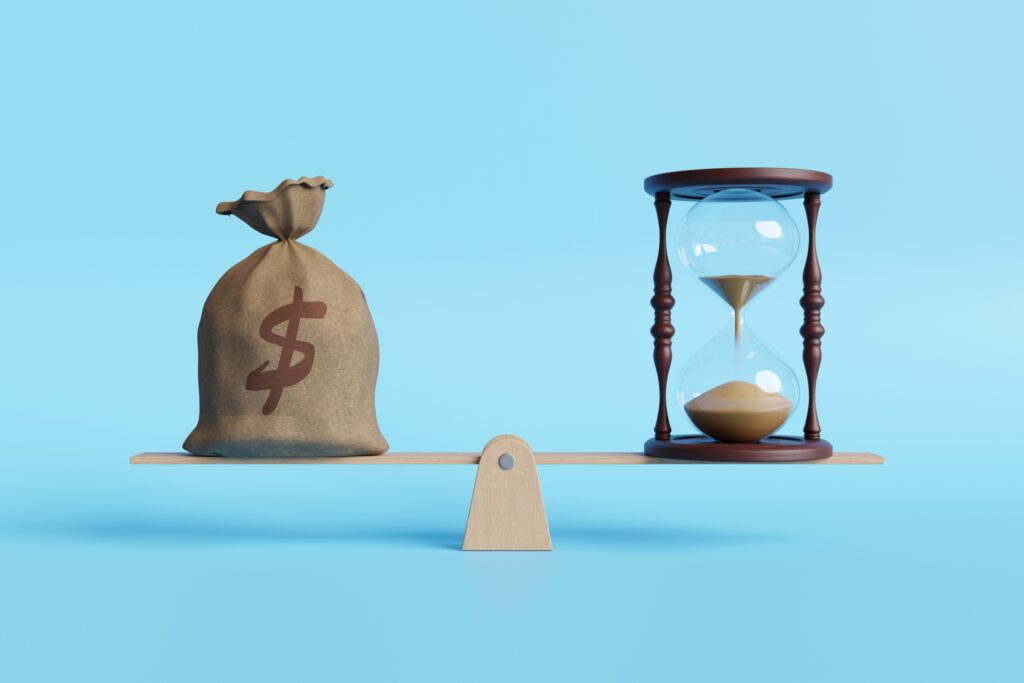
According to ProfitWell, reducing churn by just 1 percent can have a greater impact on revenue than acquiring new customers. Poor User Experience is one of the leading causes of churn in B2B SaaS, especially within the first 90 days. When products become harder to learn or explain, sales cycles lengthen, support costs increase, and expansion revenue becomes harder to unlock. A strong user experience can be a key differentiator in the B2B SaaS market, helping companies retain customers and stand out from competitors.
Short-term wins that compromise usability often create long-term drag across marketing, sales, and customer success. Investing in user experience can provide a competitive edge by improving retention and customer satisfaction.
Reframing Feature Requests Through a UX Lens

A critical UX skill in B2B environments is reframing. Instead of treating paid customer requests as literal instructions, teams should ask what underlying problem the customer is trying to solve.
For example, a request for a custom dashboard might actually signal poor visibility into key metrics. A demand for manual overrides might indicate that automation is not transparent or trustworthy. By identifying the root need, designers can create solutions that improve the User Experience for many users, not just one account.
This approach preserves flexibility for paying customers while maintaining a coherent and learnable product for new users.
Principles for Balancing Both User Segments

Successful B2B products define shared goals that include both business outcomes and usability metrics. These often include:
- Time to first value for new users
- Task success rates for core workflows
- Feature adoption depth across accounts
Research from the UX Collective shows that teams using usability data alongside revenue data make more sustainable product decisions. Stakeholder input matters, but it should be balanced with evidence from behavior analytics, usability testing, and customer feedback.
User Experience decisions grounded in data are easier to defend and more likely to scale.
Use Personas and Journey Mapping to Highlight Differences
Personas help teams avoid designing for a single loud customer. In B2B products, it is especially important to separate personas for new users, power users, and decision-makers.
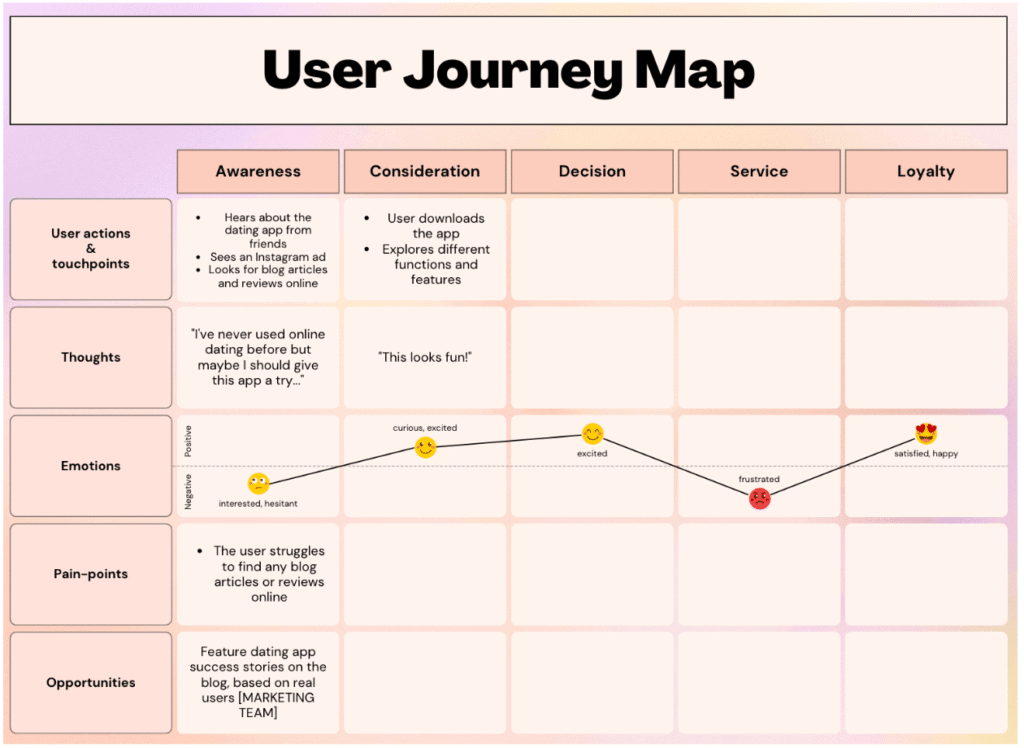
Journey mapping reveals where these personas diverge. New users often struggle with orientation, terminology, and confidence. Paying customers may struggle with efficiency, scale, or edge cases. Mapping both journeys side by side helps teams identify where solutions can overlap and where they must remain distinct.
Well-designed User Experience respects these differences without letting one group dominate the product.
Iterative Design and Validation With Real User Feedback
Before rolling out features requested by paid customers, teams should validate their impact on usability. Lightweight usability tests, prototype reviews, and beta programs reduce risk.
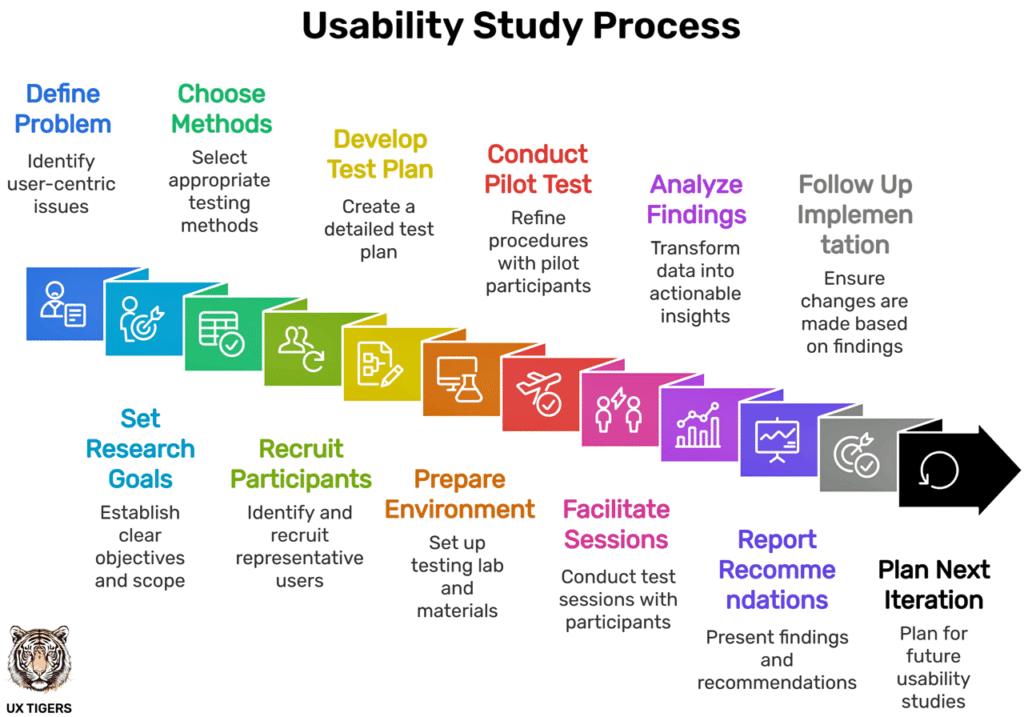
According to Google UX research, testing with as few as five users can uncover most major usability issues. Including both new users and existing customers in these tests ensures that improvements for one group do not harm the other.
Iteration based on real feedback is far more reliable than assumptions driven by revenue pressure.
Guardrails for Avoiding Feature Creep
Feature creep is one of the biggest threats to User Experience in B2B software. Guardrails help teams say no, or at least not yet.
Effective guardrails include:
- Clear definitions of core workflows that must remain simple
- Limits on configuration depth in default experiences
- Regular UX audits to identify unused or confusing features
Simplicity is not about removing power. It is about protecting learnability and confidence, especially for first-time users.
Communication Strategies With Internal Stakeholders
UX teams often need to translate design decisions into business language. Framing usability improvements in terms of retention, support reduction, and sales enablement makes them easier to accept.
For example, showing how a simplified onboarding flow reduces churn or how consistent UI patterns shorten training time connects User Experience directly to revenue outcomes. Educating leadership on these connections builds trust and alignment.
When UX is positioned as a growth driver, not a blocker, collaboration improves.
Conclusion
UX success in B2B products is not about choosing between paying customers and new users. It is about designing systems that scale across both. A positive experience leads to higher retention and customer satisfaction, making it a key driver of loyalty and brand reputation.
By reframing feature requests, grounding decisions in research, and protecting core usability, teams can deliver value to high-revenue accounts without sacrificing clarity. A balanced User Experience drives retention, reduces churn, and supports sustainable product growth.
In the long run, the best B2B products are those that feel powerful to experts and welcoming to beginners.
If you want a product that is easier to sell, easier to adopt, and harder to churn from, explore how a UX-first approach can support your next growth phase. Remember, the broader concept of user experience encompasses emotional, cognitive, and behavioral aspects of every user interaction, making it central to a comprehensive customer experience strategy.
Visit Raw.Studio to see how UI design principles and UX can work as a business system, not just a design layer.
Take your company to the next level and get results with our world class user experience, interface design and implementation.
Get a FREE 30 min Strategy Session
Related posts
Why Mobile First Navigation Wins: Smarter Ecommerce Design for Higher Sales
A strong mobile first navigation system is one of the biggest drivers of product discovery in a mobile first ecommerce […]
Design Psychology: 4 Principles that Empower Designers – Part 3
This is part 3 of our 4-part series on basic design psychology, tackling design using senses (Sight and Touch). Check […]
How to Design User Experience (UX) for a Niche Market
In today’s digital landscape, user experience (UX) is far more than just attractive visuals or smooth navigation. It fundamentally defines […]
Creative product design that gets results
Take your company to the next level with world class user experience and interface design.
get a free strategy session
