.svg)
.svg)

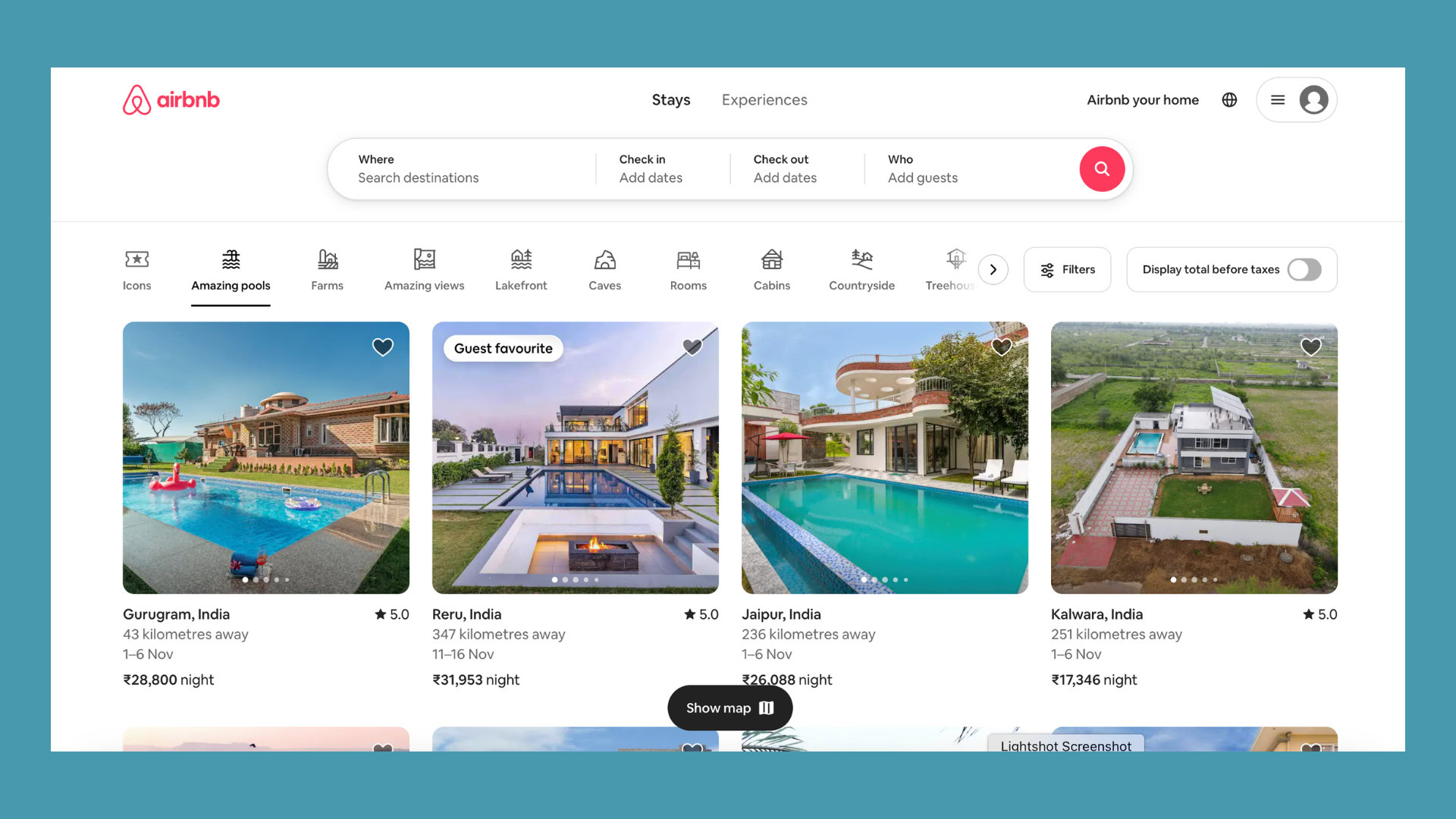

When Airbnb launched in 2008, it was asking people to do something that felt fundamentally uncomfortable: sleep in a stranger’s home or invite strangers into their own. That single idea created one of the biggest barriers in digital product history, trust.
Unlike traditional e-commerce, Airbnb was not just selling a product. It was facilitating human-to-human transactions. This meant the stakes were higher, the perceived risk was greater, and the emotional friction was real. Early users hesitated, conversion rates suffered, and bookings lagged behind expectations.
The company quickly realized something critical. Growth would not come from adding more listings or improving search speed alone. It would come from systematically reducing doubt.
Over time, Airbnb introduced a series of UX improvements that directly addressed user anxiety. Among these, three trust-building changes stand out as pivotal. Together, they reshaped user perception, reduced friction, and contributed to a measurable increase in bookings, estimated at around 25% through combined conversion improvements and reduced drop-offs.
This case study explores how those changes worked, why they mattered, and what product builders can learn from them.
The Core Problem: Trust Deficit in Peer-to-Peer Platforms
Before diving into solutions, it is important to understand the depth of the problem Airbnb was facing.
Users were not simply comparing prices or amenities. They were asking deeper questions:
- Is this place real?
- Can I trust this host?
- What if something goes wrong?
Research consistently shows that trust plays a decisive role in Airbnb’s ecosystem. Factors such as review volume, information quality, and media richness significantly influence user confidence and booking decisions .
Early versions of Airbnb lacked strong answers to these concerns. Listings varied widely in quality, host profiles were minimal, and pricing often felt unclear. The experience created hesitation at the most critical moment, right before booking.
This is where UX became not just a design function, but a business lever.
Change 1: Visual Trust Through High-Quality Photography
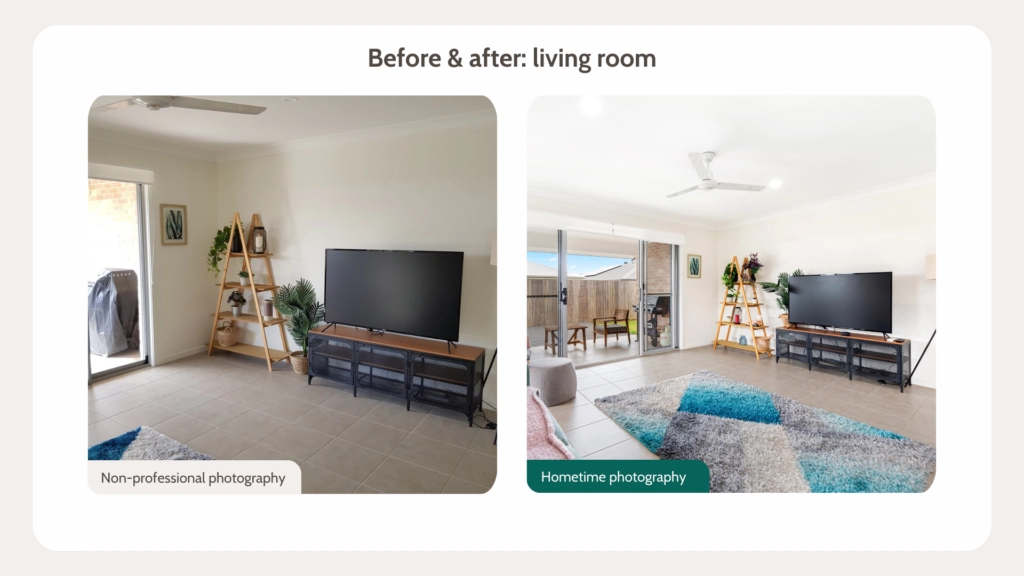
One of Airbnb’s earliest and most impactful insights was surprisingly simple. People were not booking because they could not clearly see what they were paying for.
Many listings featured dim lighting, cluttered rooms, or poorly framed shots. Even great spaces looked unappealing. This created a mismatch between reality and perception.
Instead of blaming hosts, Airbnb took ownership of the experience. They launched a program offering professional photography services to hosts.
The results were immediate and measurable. Listings with professional photos saw up to a 40% increase in views . More importantly, these views translated into higher booking rates.
This improvement worked on multiple psychological levels.
First, it reduced uncertainty. Clear visuals allowed users to mentally simulate their stay. They could imagine sleeping in the bed, cooking in the kitchen, or relaxing in the living room.
Second, it signaled quality. Professional photos implied that Airbnb cared about standards. This subtle cue increased platform credibility.
Third, it created consistency. When users browsed multiple listings, a baseline level of visual quality reduced cognitive friction.
From a UX perspective, this was not just about aesthetics. It was about making the invisible visible.
And in a marketplace built on trust, visibility is everything.
Change 2: Social Proof Through Reviews and Verification
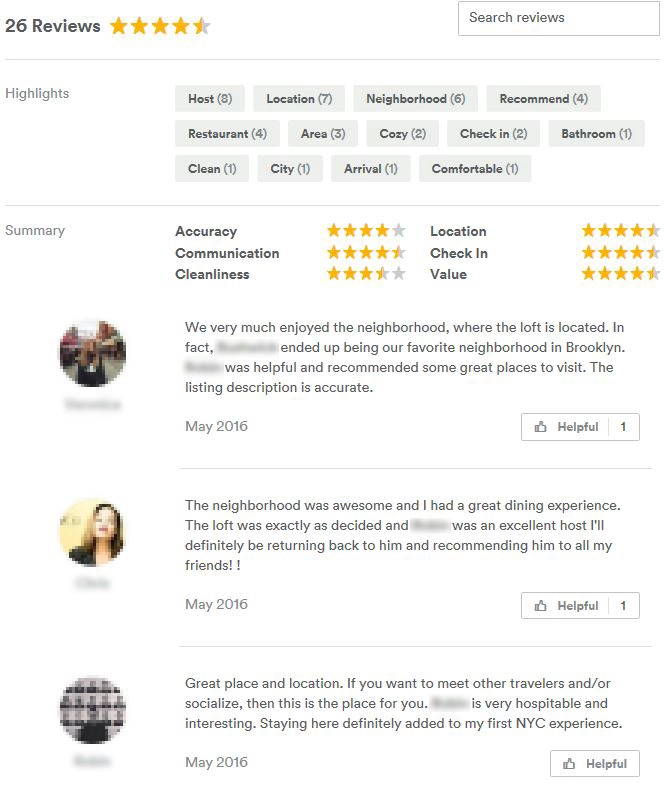
Even with better visuals, users still needed reassurance. Seeing a beautiful apartment is one thing. Believing it will match expectations is another.
Airbnb addressed this gap by strengthening its review and verification system.
They introduced detailed user profiles, verified IDs, and a robust review mechanism where both hosts and guests could rate each other. Over time, this created a two-sided reputation system.
This was a turning point.
Instead of relying on Airbnb’s claims, users could now rely on other users.
Social proof became a central pillar of the experience. Positive reviews, high ratings, and detailed feedback reduced perceived risk dramatically. Studies confirm that rating volume and quality significantly increase trust in Airbnb listings .
Verification also played a crucial role. By confirming identities through official documents, Airbnb reduced anonymity. This transformed interactions from “stranger-to-stranger” into something closer to “verified peer-to-peer.”
From a UX standpoint, this change did three important things.
It externalized trust. Instead of Airbnb saying “this is safe,” the community validated it.
It created accountability. Hosts and guests knew their behavior would be publicly rated.
And it added transparency. Users could make informed decisions based on real experiences.
This combination significantly reduced hesitation at the booking stage.
Change 3: Pricing Transparency and Frictionless Booking
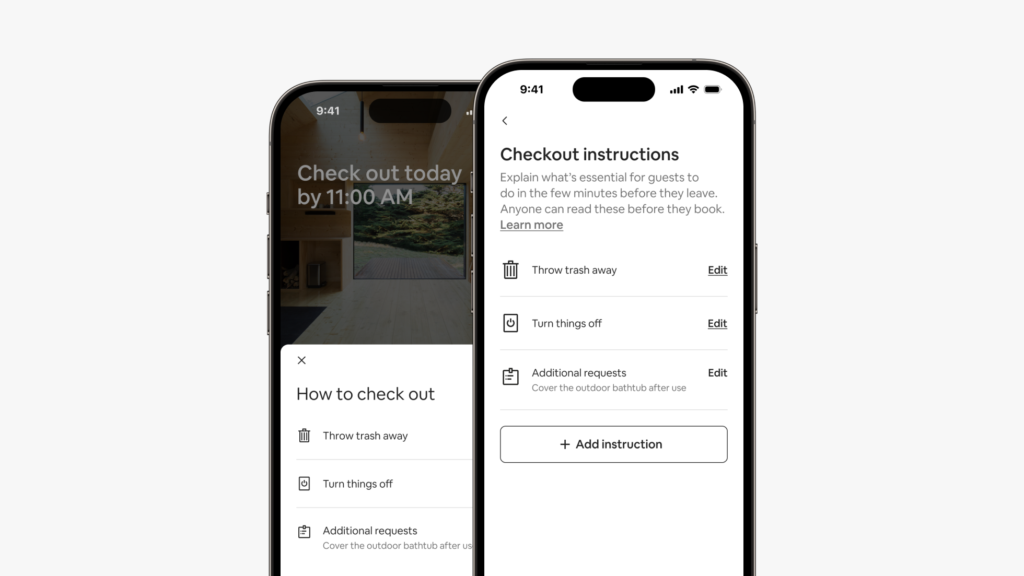
Even when users trusted a listing, many still abandoned the process before completing a booking.
The culprit was friction.
Hidden fees, unclear pricing breakdowns, and multi-step booking flows created uncertainty at the worst possible moment.
Airbnb tackled this by redesigning the booking experience with a focus on clarity and simplicity.
One of the most impactful changes was upfront pricing. Instead of revealing fees late in the process, Airbnb began displaying the total cost earlier. This reduced unpleasant surprises and increased user confidence.
According to UX analyses, clearer pricing directly reduced abandonment rates during checkout .
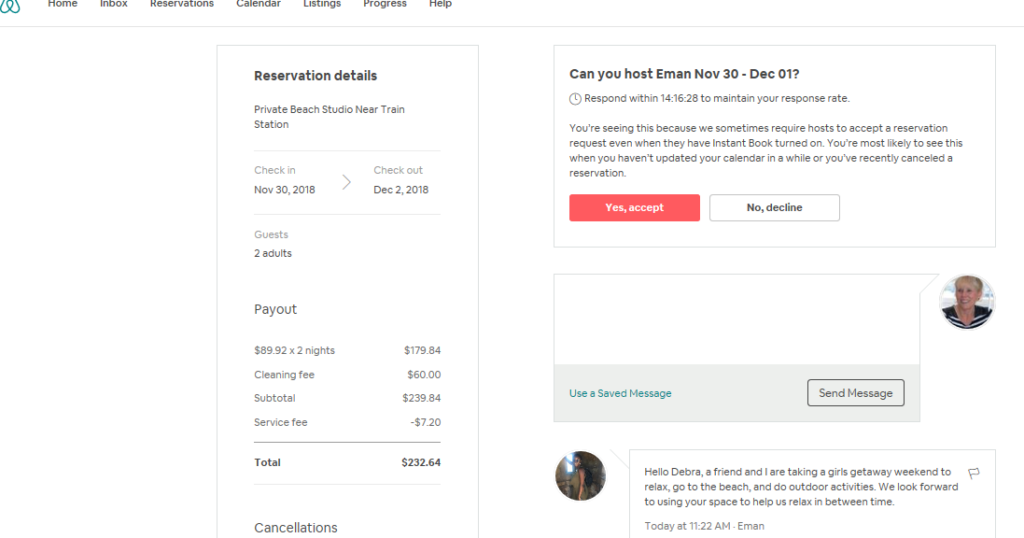
Another major improvement was the introduction of features like Instant Book. This allowed users to reserve a property without waiting for host approval.
This might seem like a small change, but its impact was significant.
It removed uncertainty. Users no longer had to wonder whether their request would be accepted.
It sped up decision-making. Fewer steps meant fewer opportunities to drop off.
And it aligned with user expectations shaped by e-commerce platforms.
Additionally, Airbnb streamlined the entire booking flow. Simplified forms, saved preferences, and clear calls to action reduced cognitive load and made the process feel effortless .
In UX terms, this was about minimizing friction at the point of highest intent.
The Results: From Hesitation to Confidence
When these three changes worked together, the effect was multiplicative rather than additive.
High-quality photos attracted users and increased engagement.
Reviews and verification built trust and reduced perceived risk.
Transparent pricing and streamlined booking removed final barriers.
The result was a significant increase in conversion rates, with estimates suggesting around a 25% lift in bookings driven by improved trust and reduced friction across the funnel.
Beyond immediate conversions, these changes also contributed to long-term growth.
Airbnb now operates in over 190 countries and has built a platform with millions of listings . Its strong user experience has also driven loyalty, with around 40% of guests returning to book again within a year .
This highlights an important point.
Trust does not just increase first-time conversions. It compounds over time through repeat usage and word-of-mouth.
Why These Changes Worked: A UX Perspective
What makes Airbnb’s approach so effective is not just what they changed, but how they approached the problem.
They did not treat trust as a single feature. They treated it as a system.
Each improvement addressed a different stage of the user journey.
At the discovery stage, visuals reduced uncertainty.
At the evaluation stage, reviews provided reassurance.
At the decision stage, transparency and simplicity removed friction.
This layered approach ensured that users felt confident at every step, not just at the end.
Another key insight is that Airbnb focused on perception as much as reality.
Even if a listing was great, poor photos or lack of reviews could make it feel risky. By improving how information was presented, Airbnb changed how users interpreted the same underlying product.
This is a powerful lesson for any product team.
Users do not experience your product objectively. They experience it through signals.
And trust is built through those signals.
Key Takeaways for Product Builders
There are several lessons from Airbnb’s journey that apply far beyond travel or marketplaces.
First, trust is not optional in high-stakes interactions. If your product involves money, personal data, or human interaction, trust becomes a primary driver of conversion.
Second, small UX changes can have large business impact. Professional photos, better reviews, and clearer pricing are not complex features. But when executed well, they can dramatically improve outcomes.
Third, consistency matters. Trust is fragile. A single confusing step or hidden fee can undo everything else.
Finally, design is not just about usability. It is about psychology. Airbnb succeeded because it understood how users feel, not just what they do.
Final Thoughts: Turning Insight into Action
Airbnb’s success did not come from one big breakthrough. It came from carefully understanding user hesitation and systematically removing it. Each improvement was rooted in a simple question: what is stopping someone from clicking “Book”?
If you are building a product, especially one that involves trust, transactions, or user-generated content, the same principle applies. Growth is often hidden inside friction points you have normalized.
The opportunity is not always to add more features. It is to make users feel more certain.
Ready to Apply This to Your Product?
If you are looking to improve conversions, reduce drop-offs, or build a more trust-driven experience, it helps to step back and see your product through the eyes of your users.
At Raw.Studio, we work with founders and teams to uncover exactly where trust breaks down in your funnel and how to fix it with practical, high-impact UX changes.
Whether you are early-stage or scaling, sometimes a single insight can unlock meaningful growth.