.svg)
.svg)

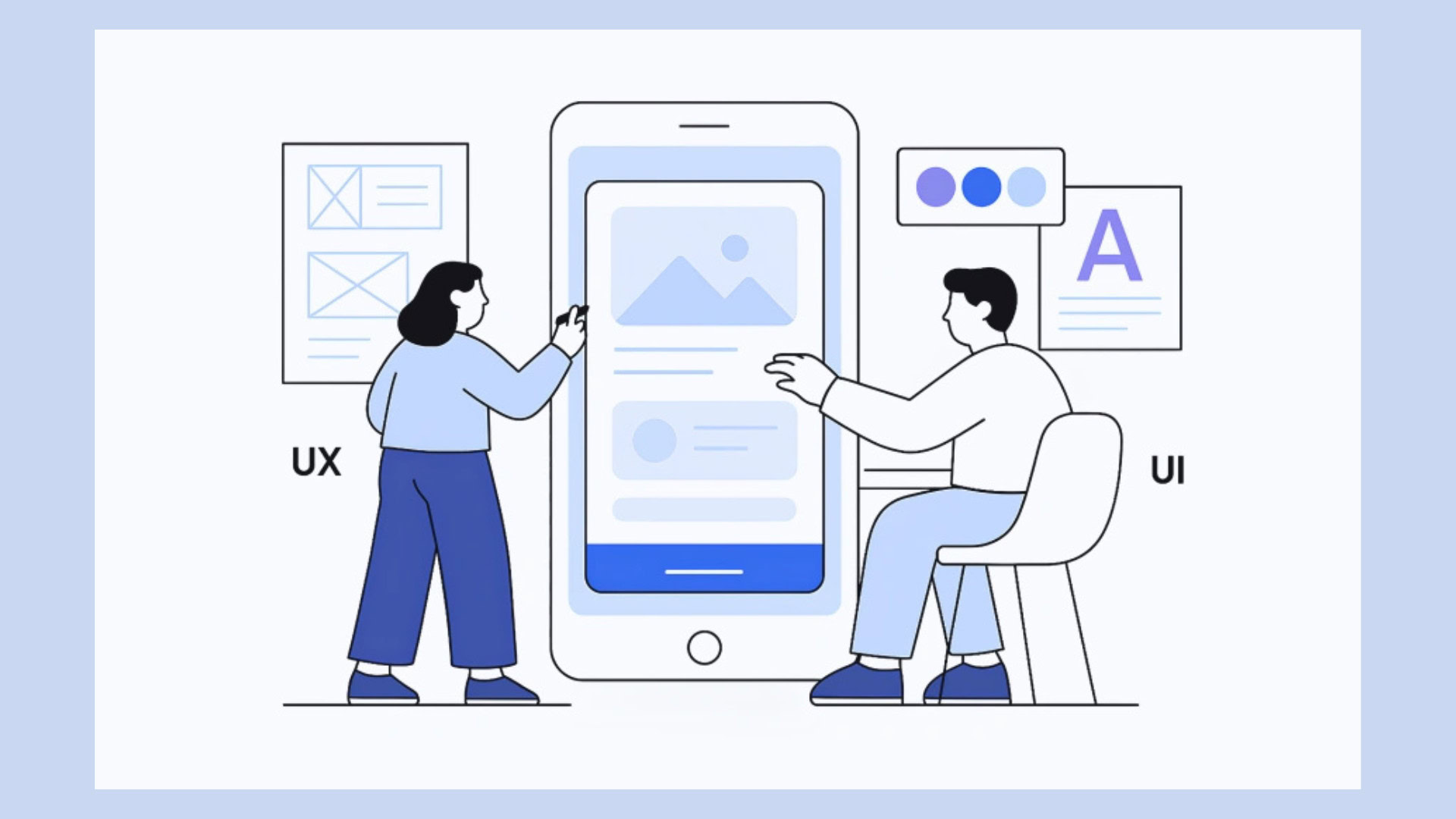

Personalization has moved from being a nice touch to becoming a core expectation in ecommerce. Shoppers want faster paths to relevant products, shorter decision loops, and a browsing flow that feels intuitive. When personalization is done well, conversions rise, customer loyalty strengthens, and user frustration drops. When it feels off, it can come across as intrusive.
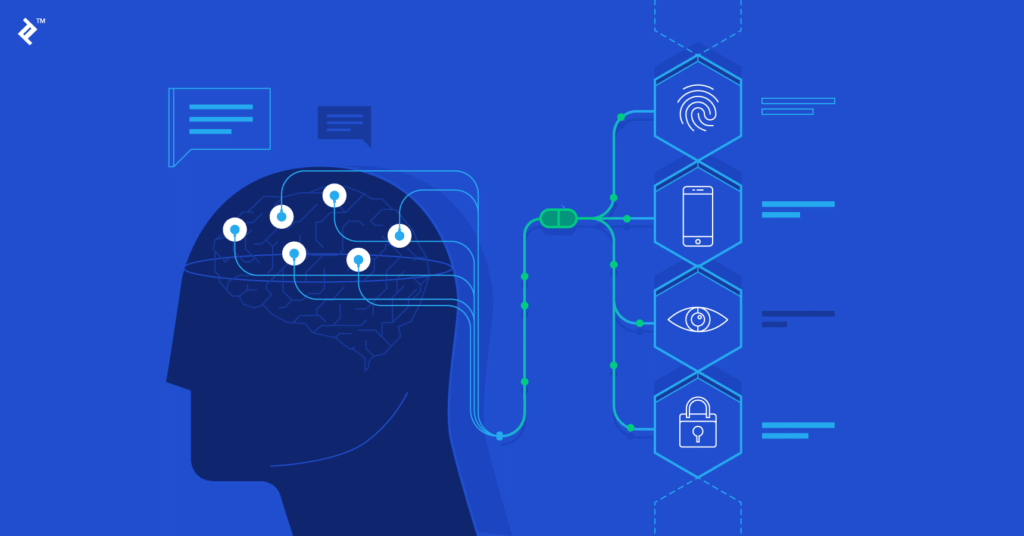
Behavior UX offers the middle ground. It responds to what users actually do on your site, creating experiences that feel natural instead of invasive. This makes it one of the most impactful strategies for modern online retail.
If you want help building behavior driven experiences or improving your ecommerce UX, you can explore the team behind these frameworks at RAW Studio.
I. Understanding Behavior UX
Behavior UX relies on real customer interactions. Instead of static data like demographics or broad personas, it uses live behavior signals to predict interest and shape what the shopper sees next. This approach creates a smoother, more relevant journey across the entire site.
Behavioral signals that reveal intent
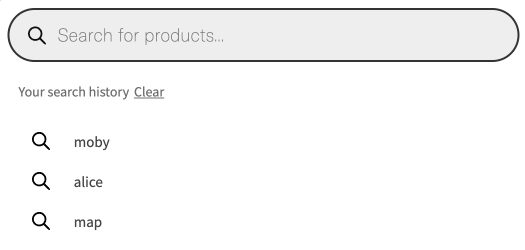
Browsing history, search terms, and repeated product page visits show what a shopper is thinking about. These signals are low friction and highly reliable because they come directly from real actions.
For example, if users revisit the same PDP multiple times, they may be comparing models or waiting for a lower price. Behavior UX picks up these patterns and adapts the journey to reduce friction.
Interaction insights that sharpen relevance
Scroll depth reveals how deeply users explore content. Click distribution tells you what they pay attention to. The amount of time spent in each category shows underlying preferences. When combined, these signals form a strong intent profile for each visitor.
Intent modeling that guides the next decision
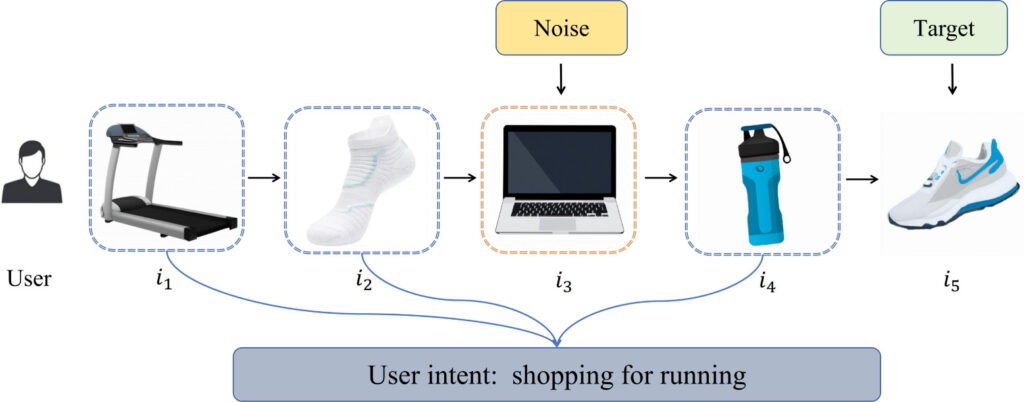
New visitors need guidance, while returning customers prefer speed. High intent users who abandon their carts behave differently from casual browsers. Behavior UX identifies these differences and ensures that each user sees the most helpful next step, from reminders to incentives to relevant content.
II. Personalization Use Cases That Improve Conversions
Personalization does not need to be loud or dramatic. The most effective versions are subtle, fast, and helpful.
Dynamic home pages
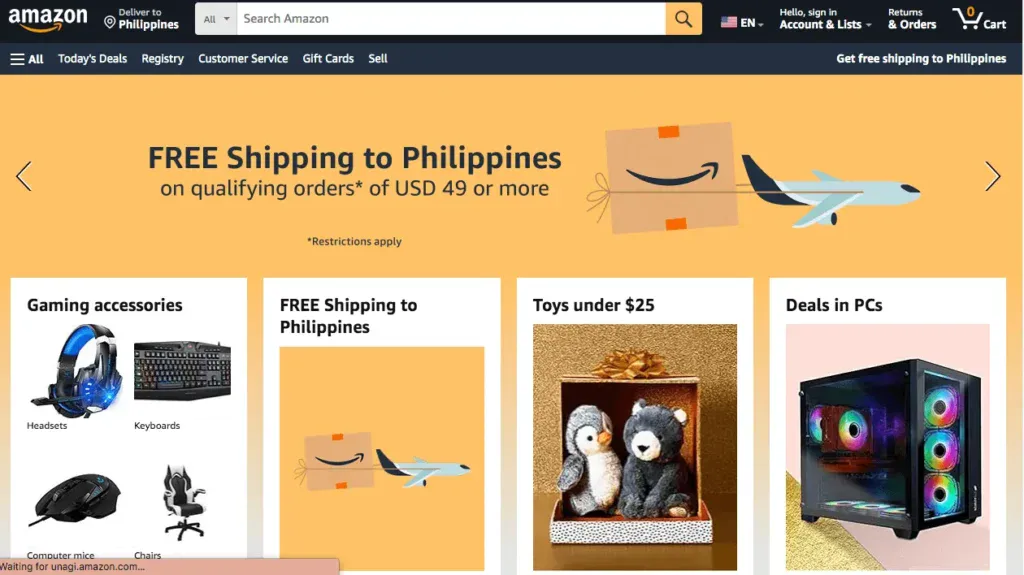
Home pages shift based on user behavior. A shopper who regularly browses menswear might see banners featuring new arrivals in that category. Returning users may see quick access shortcuts to previous categories or their recently viewed list. This reduces friction right from the start.
Personalized product lists
Recently viewed items help users jump back into products they are considering. Lists that display items similar to what they browsed or searched enable faster comparisons and reduce abandonment.
Smart recommendations
Pattern recognition engines identify which items tend to be viewed or bought together. Showing complementary products, such as bundles or related accessories, increases AOV without feeling pushy. The key is accuracy and timing.
III. Where Personalization Matters Most
Not all parts of an online store deserve equal personalization effort. These placements produce the strongest results:
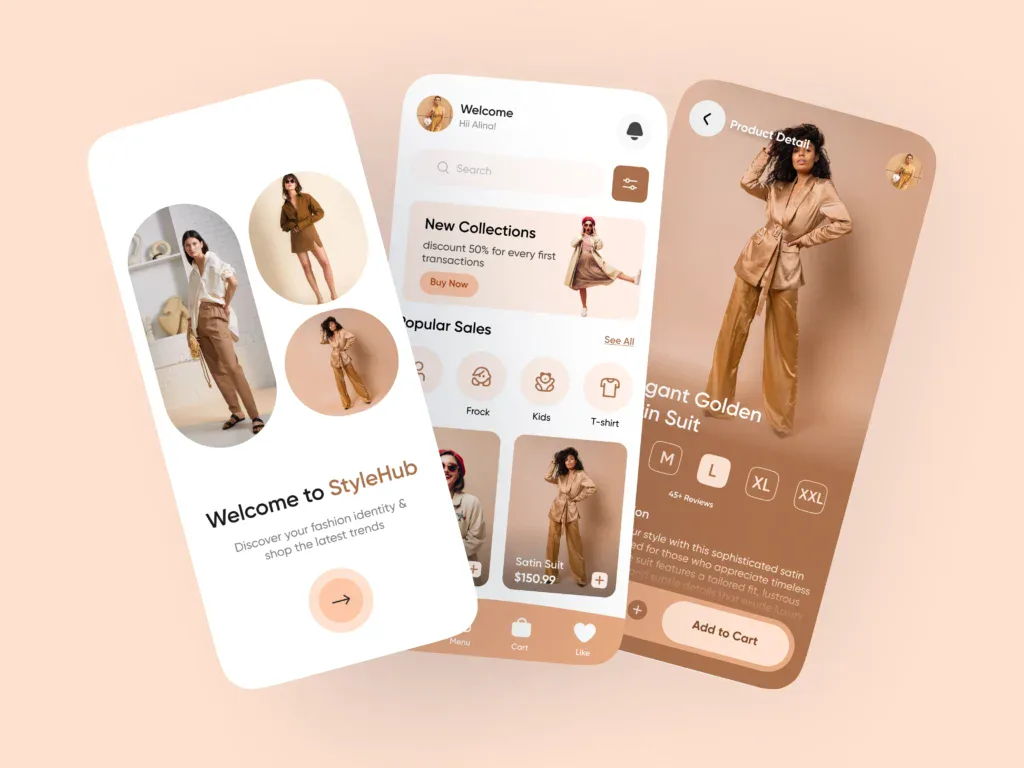
The home screen sets the stage for the entire experience. Category pages keep the shopper in the flow by surfacing items aligned with their interests. Cart and checkout pages are perfect for reminders, urgency nudges, and helpful complementary suggestions. Post purchase recommendations drive repeat orders by highlighting relevant items based on what the shopper already bought.
In all these areas, Behavior UX helps reduce friction and improve clarity.
IV. Keeping Personalization Helpful, Not Creepy
Personalization should feel like guidance, not surveillance.
Tone and transparency
Explain why certain items appear. Even a simple Based on your browsing helps maintain trust and makes the experience feel logical.
Avoiding assumptions
Do not over segment or make narrow assumptions from thin data. Keep the personalization broad enough to feel comfortable.
Let users control the experience
Add clear settings that allow people to adjust personalization preferences. This builds trust and gives users autonomy over their journey.
V. Technical and UX Essentials
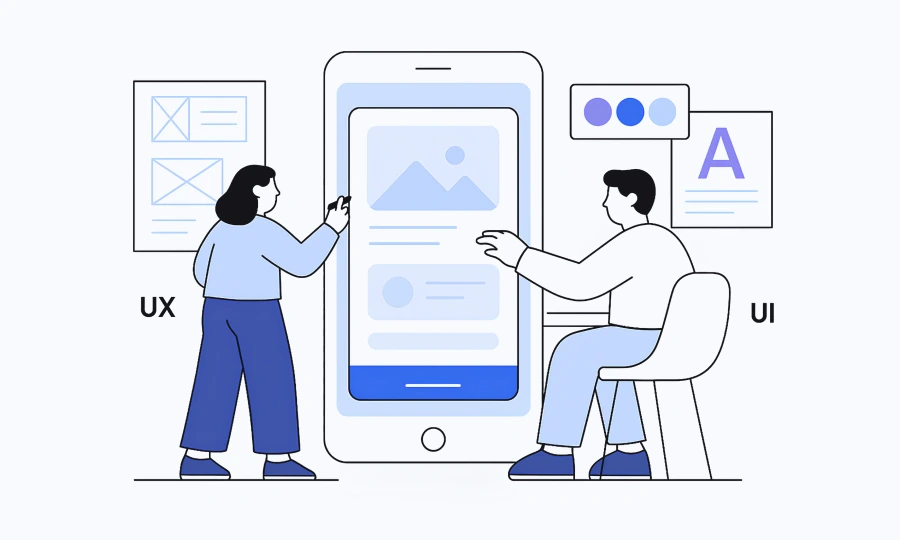
A clever personalization strategy is only as good as the experience supporting it.
Performance
Recommendations must load fast. Delays reduce trust, increase bounce, and weaken the overall shopping flow.
Layout stability
Avoid layout shifts or content jumps while personalized elements load. A stable layout signals professionalism and reliability.
Device based behavior
Mobile users scroll quickly and rely heavily on the first few modules. Desktop users hover, compare, and scan differently. Tailoring the experience to each context improves engagement across devices.
VI. Measurement Framework

To understand the impact of personalization, track both behavioral and commercial metrics.
Click through rate shows immediate relevance. Average order value highlights the effectiveness of complementary recommendations.
Conversion rate measures how well your personalization encourages action.
Engagement depth tells you whether users explore beyond the essentials. Repeat purchase time reveals long term loyalty.
This data closes the loop and helps refine your strategy over time.
Conclusion
Behavior UX is becoming the standard in ecommerce. Customers expect sites to understand them, adapt to them, and help them move faster. The good news is that you do not need to overhaul everything at once. Start with small modules. Measure the impact. Scale the wins.
If you want to explore how strong UX design can shape your brand and increase conversions, visit the team at RAW Studio.