.svg)
.svg)



For years, UX success was measured by surface-level numbers. Clicks, page views, and session counts filled dashboards and presentations. In 2026, that approach feels outdated. Great products are no longer judged by how often users tap a screen, but by how well the experience helps them succeed.
This shift has pushed UX metrics into a more strategic role. They are now used to guide product decisions, prioritize features, and shape long-term growth. The question is no longer “Are people using it?” but “Is it working for them?”
What to Measure, Beyond Clicks
Clicks still tell part of the story, but they rarely explain whether an experience is effective. Modern UX metrics focus on outcomes, not interactions.
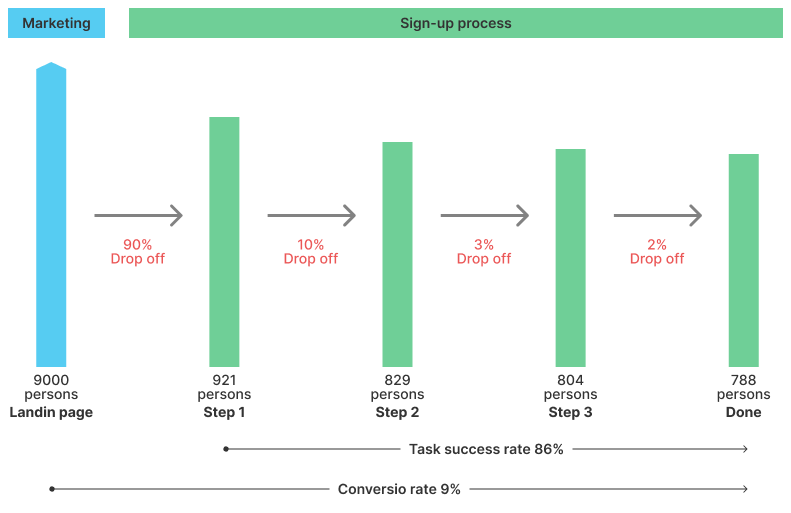
One of the most important metrics is task success rate. Did users actually accomplish what they came to do? In a finance app like Revolut, opening the app is meaningless if users struggle to send money or verify their identity. Measuring completion rates for these key tasks reveals whether the experience is doing its job.
Time to value is another metric gaining importance. Products like Notion closely track how long it takes new users to create their first useful page. The faster users reach that “aha” moment, the more likely they are to stay.
Error rates and friction points also deserve attention. Amazon has shown that even small issues in checkout flows can significantly impact revenue. Tracking where users hesitate, backtrack, or abandon a process highlights exactly where UX needs improvement.
Finally, retention should be measured by feature, not just by user. Spotify does this well by analyzing how features like playlists or discovery drive long-term engagement. These UX metrics help teams invest in what truly keeps users coming back.
Behavioral vs Sentiment Metrics
Strong UX measurement balances behavior and perception.
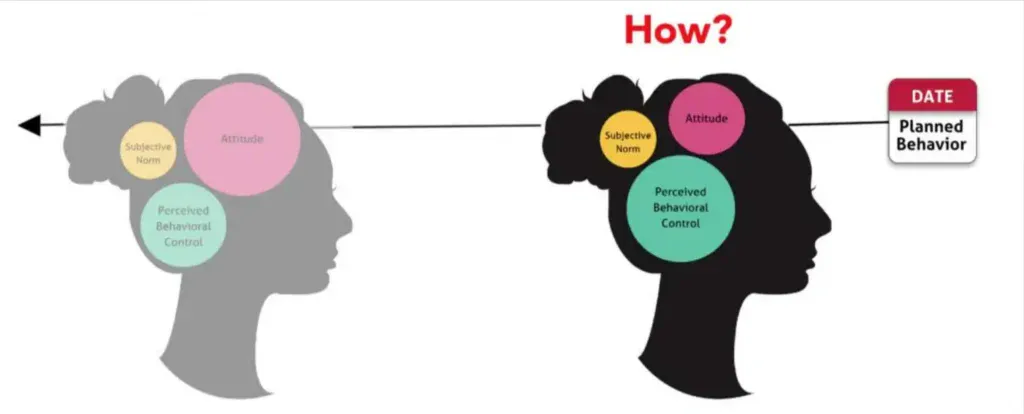
Behavioral UX metrics show what users do. They reveal patterns like drop-offs, repeated actions, or abandoned flows. Funnel completion rates, rage clicks, and feature adoption trends all fall into this category.
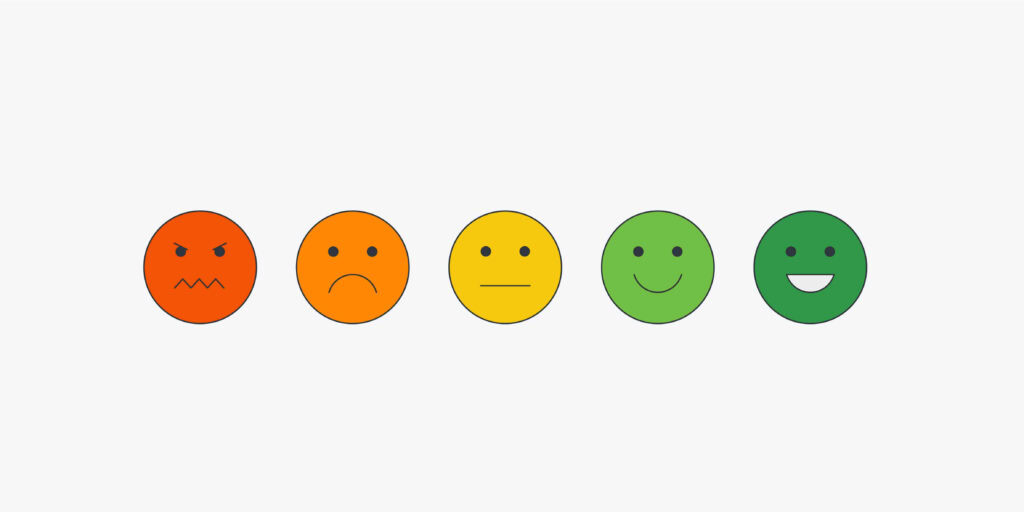
Sentiment UX metrics explain how users feel about those experiences. Metrics like NPS, CSAT, in-app feedback, and app store reviews provide context that numbers alone cannot.
Airbnb offers a good example. Behavioral data might show users abandoning bookings at the payment step. Sentiment feedback often reveals why, such as unclear fees or trust concerns. When combined, these UX metrics point directly to actionable improvements.
In 2026, relying on one without the other leads to incomplete insights.
Tools for Quantitative and Qualitative Data
Modern UX teams rarely depend on a single tool. Instead, they build a stack that combines quantitative and qualitative data around shared UX metrics.

Analytics platforms like Google Analytics 4, Amplitude, and Mixpanel help track behavior at scale. They answer questions about flows, retention, and feature usage.

Qualitative tools like Hotjar, Contentsquare, Maze, and user interview platforms add depth. They show what users experience and why certain behaviors occur.
Duolingo is a strong example of this balance. The team constantly tests lessons, reviews session recordings, and gathers user feedback. Their UX metrics are not static numbers but signals that drive experimentation and iteration.
Turning UX Metrics Into Action
Metrics only matter when they influence decisions.
The most effective teams start with a clear UX goal. For example, reducing mobile checkout abandonment. From there, they choose one primary UX metric, such as checkout completion rate, supported by a secondary metric like error frequency or completion time.
Reviewing these metrics regularly, without reacting to every short-term fluctuation, keeps teams focused on trends rather than noise.
Slack famously aligned its product strategy around one core activation metric: messages sent per team. That single UX metric shaped onboarding, feature design, and even growth strategy.
A simple rule applies here. If a metric does not change what you build or improve, it is not the right metric.
Dashboard Ideas for 2026
In 2026, the best dashboards are designed for clarity, not volume.
A useful UX metrics dashboard often includes a high-level view of experience health, combining task success, error rates, and satisfaction scores. Feature-level insights show which parts of the product drive engagement and retention. Journey-based funnels reveal where users succeed or struggle across key flows.

For example, a fitness app like Strava might track onboarding completion, first activity logged, and seven-day retention in one place. That single view tells a clearer story than dozens of disconnected charts.
Dashboards should spark discussions and decisions, not just reporting.
Final Thoughts
UX metrics have matured. They are no longer just numbers on a screen, but tools for understanding users and building better products. In 2026, the teams that succeed are those that connect behavior with sentiment, data with insight, and metrics with real user value.
If you want help defining the right UX metrics, building dashboards that make sense, or turning insights into real product improvements, raw.studio helps product teams design, measure, and scale experiences that perform.
Explore how raw.studio can help you turn UX metrics into meaningful growth.