
How LinkedIn Converts B2B Traffic with 3 High-Trust UX Strategies

LinkedIn UX has become one of the strongest examples of how intentional design can transform professional traffic into high-quality B2B conversions.
While entertainment-driven platforms focus on maximizing clicks, reactions, and scrolling time, LinkedIn has built its platform around professional credibility. Every major UX decision is designed to help users feel more confident in the people and businesses they interact with.
That matters because trust sits at the center of nearly every B2B decision.
Whether someone is evaluating a SaaS platform, researching a consultant, hiring an agency, or exploring a strategic partnership, the first question is rarely about features or pricing. The first question is usually much simpler:
“Can this business or person be trusted professionally?”
LinkedIn understands this exceptionally well, and its user experience reflects that understanding at every level of the platform.
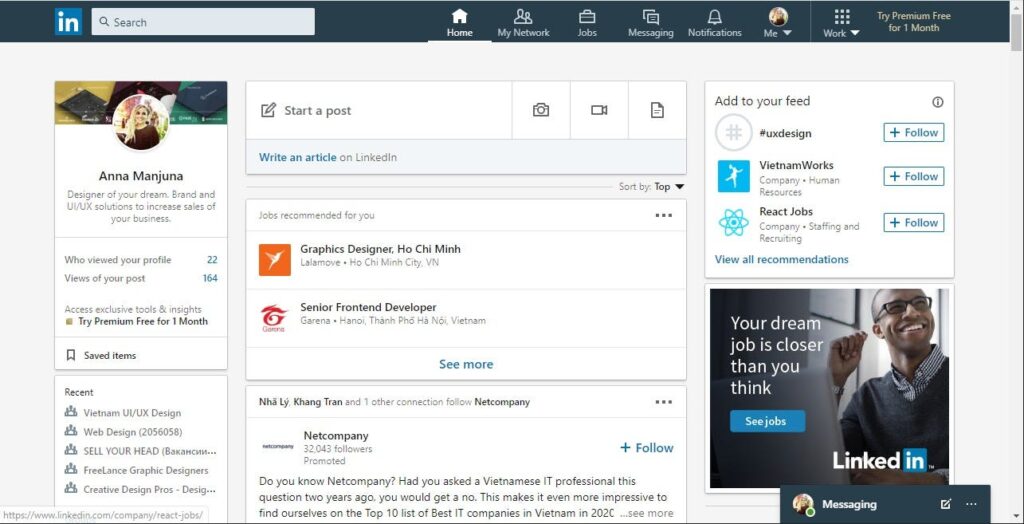
From profile structures and content layouts to networking flows and calls-to-action, LinkedIn consistently reduces skepticism while increasing credibility. Instead of pressuring users into immediate conversions, the platform creates an environment where professional trust develops naturally over time.
That is what makes LinkedIn so powerful in the B2B space.
In this article, we will explore the three major UX principles behind LinkedIn’s success and examine why these strategies work so effectively from both a psychological and conversion perspective.
Table of Contents
Why LinkedIn Has Become a B2B Conversion Machine
LinkedIn’s effectiveness does not come solely from its audience size. Many platforms have massive user bases but struggle to generate high-quality business conversions.
The real advantage comes from user intent.
People do not typically open LinkedIn to escape boredom or consume entertainment passively. They visit the platform with a professional mindset already activated. Users arrive to network, evaluate opportunities, research companies, learn from industry experts, recruit talent, or establish credibility within their field.
This creates an entirely different psychological environment compared to traditional social media platforms.
On entertainment-driven platforms, users are often distracted and emotionally scattered. Their attention shifts rapidly from one piece of content to another. LinkedIn users behave differently because their expectations are different. They expect professionalism, expertise, and value-driven interactions.
Because of this, LinkedIn does not need to aggressively force transactional behavior. Instead, the platform focuses on reinforcing trust and removing friction from professional engagement.
That strategy is incredibly effective in B2B marketing because business decisions naturally involve risk.
Companies are careful about who they hire, which vendors they trust, and where they invest money. Every partnership, software purchase, or consulting engagement carries uncertainty. The more uncertainty users feel, the slower conversion becomes.
LinkedIn reduces that uncertainty through design.
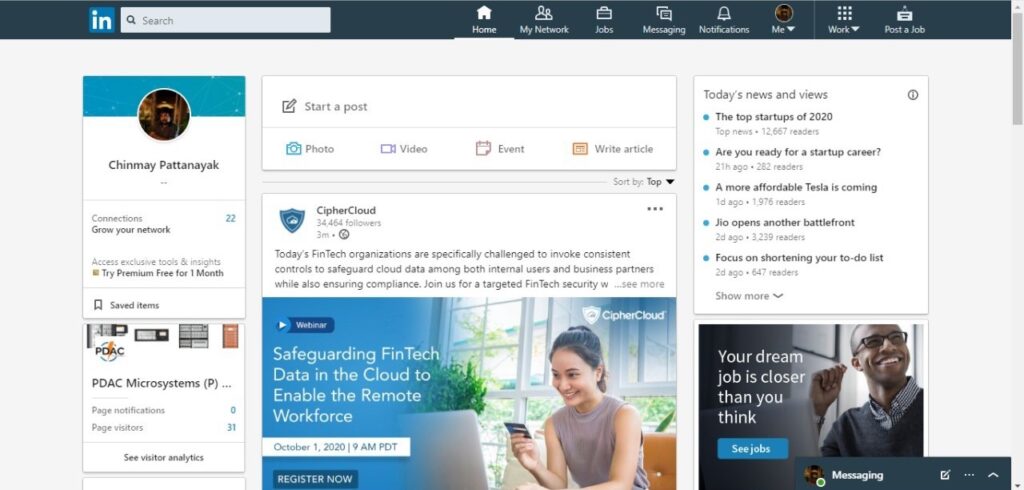
Career histories are visible. Professional relationships are public. Expertise is demonstrated through content. Recommendations provide validation. Mutual connections create familiarity.
Together, these elements create a professional environment that feels credible almost immediately.
Most users do not consciously analyze why LinkedIn feels trustworthy. The experience simply feels structured, transparent, and legitimate. That emotional comfort is a major reason why the platform converts so effectively in the B2B space.
Strategy One: Profile-Driven Credibility
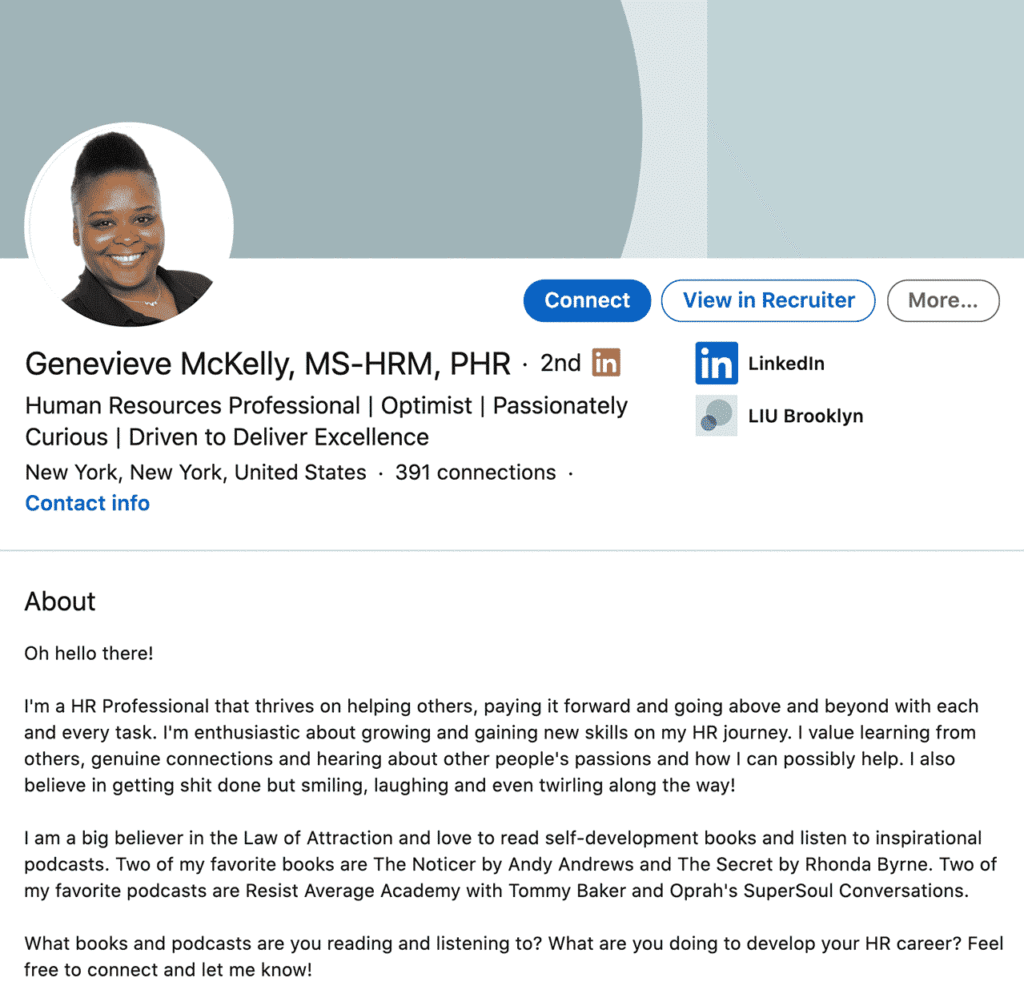
One of LinkedIn’s strongest UX advantages is the way it transforms user profiles into trust-building assets.
Most social platforms treat profiles as supporting elements. Their primary purpose is usually identity verification or content distribution. LinkedIn approaches profiles very differently. On LinkedIn, the profile itself becomes part of the conversion journey.
The moment someone visits a profile, they encounter multiple layers of credibility signals simultaneously.
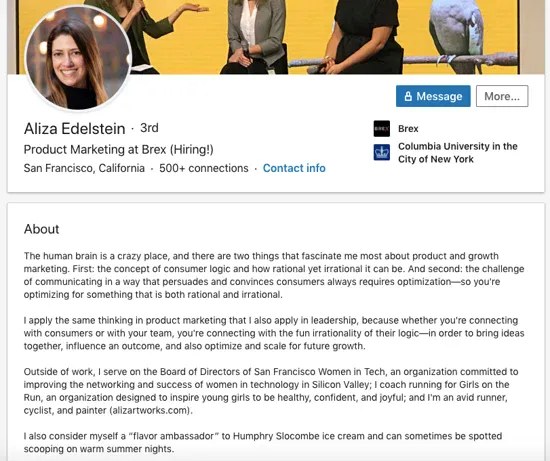
Professional headshots humanize the interaction. Career history provides context. Company affiliations establish legitimacy. Skills, certifications, endorsements, and recommendations reinforce expertise. Mutual connections create familiarity and social reassurance.
All of these elements work together to answer a single question:
“Is this person professionally credible?”
That question is critically important in B2B environments because trust rarely comes from a single statement or marketing claim. People typically need multiple reinforcing signals before they feel comfortable engaging professionally.
LinkedIn understands this principle deeply.
Instead of forcing users to search for external validation, the platform embeds validation directly into the interface itself. Users can evaluate someone’s background, reputation, activity level, and industry participation within seconds.
That dramatically reduces hesitation.
Traditional company websites often struggle with this because they rely heavily on polished messaging and carefully controlled branding. While these websites may look visually impressive, they can sometimes feel emotionally distant or overly curated.
LinkedIn closes that gap by emphasizing transparency and human visibility.
Users can immediately see who works at a company, what experience they have, how active they are professionally, and how other professionals interact with them publicly. That openness creates a stronger sense of authenticity.
From a UX perspective, this is extremely important because uncertainty is one of the biggest barriers to conversion. The more uncertainty users feel, the more likely they are to delay decisions or avoid engagement entirely.
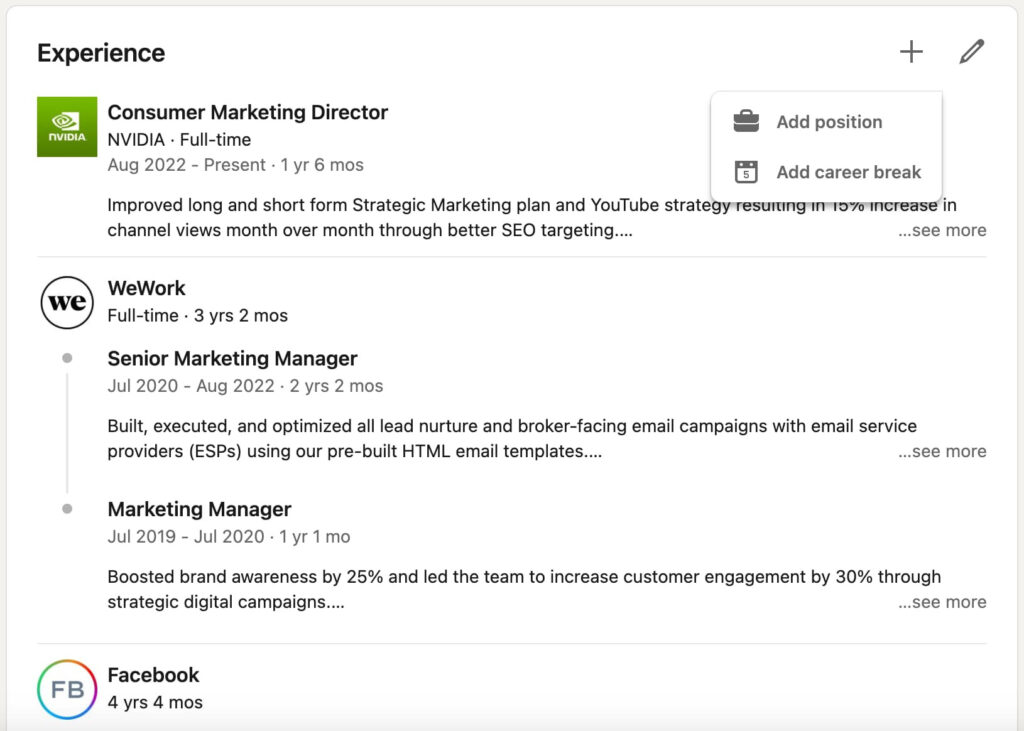
LinkedIn’s profile structure minimizes that uncertainty continuously throughout the experience.
Another reason this system works so well is accountability. Professional identities on LinkedIn are tied directly to careers, reputations, employers, and industry relationships. Because of that, users are naturally more cautious about how they present themselves.
This strengthens trust across the entire ecosystem.
Businesses can learn a great deal from this approach.
Many brands spend enormous amounts of time refining corporate messaging while failing to showcase the real people behind the business. Yet users often trust individuals more quickly than organizations.
Companies that highlight their founders, team members, expertise, and industry knowledge often create stronger emotional trust than brands relying solely on polished marketing language.
This is especially important for agencies, consultants, SaaS companies, and startups where credibility directly influences purchasing decisions.
Strategy Two: Clear and Intentional Calls-to-Action
Another major reason LinkedIn performs so effectively is its thoughtful approach to calls-to-action.
Many businesses unintentionally create friction by asking for too much too quickly. Users land on a website and are immediately confronted with popups, aggressive sales prompts, demo requests, and multiple competing buttons.
This creates pressure before trust has been established.
LinkedIn takes a far more progressive approach.
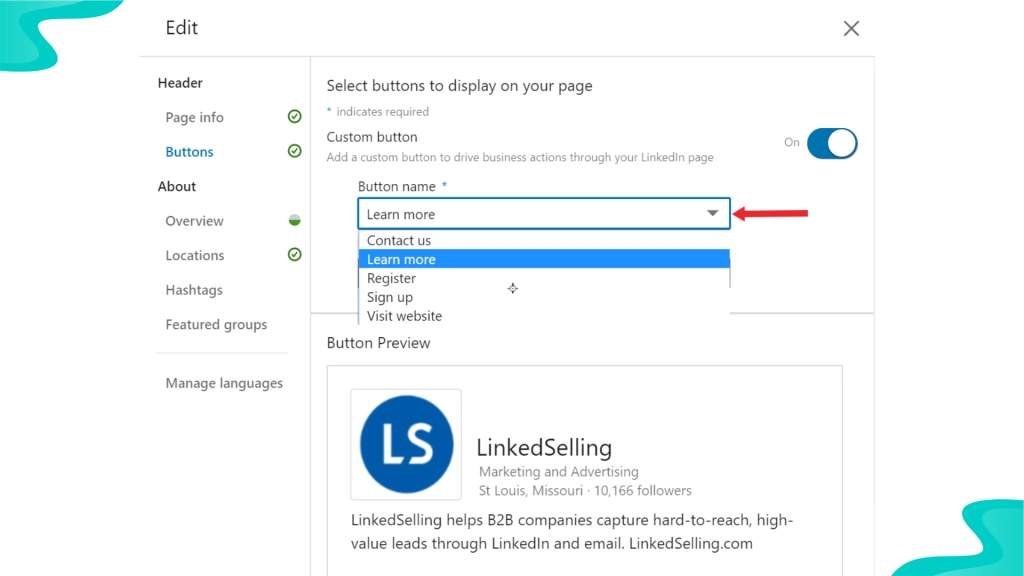
The platform understands that B2B relationships develop gradually. Professional decisions are rarely impulsive. Most involve research, observation, comparison, and internal evaluation before any commitment occurs.
Because of this, LinkedIn structures its user journey around low-friction engagement first.
Instead of immediately pushing users toward high-commitment actions, the platform encourages smaller interactions such as viewing profiles, reading content, following users, or sending connection requests.
These actions feel psychologically safe because they require very little risk.
Over time, repeated exposure builds familiarity and comfort. As users consume more content and encounter more credibility signals, they naturally become more open to deeper engagement such as direct messaging, consultations, partnerships, or external website visits.
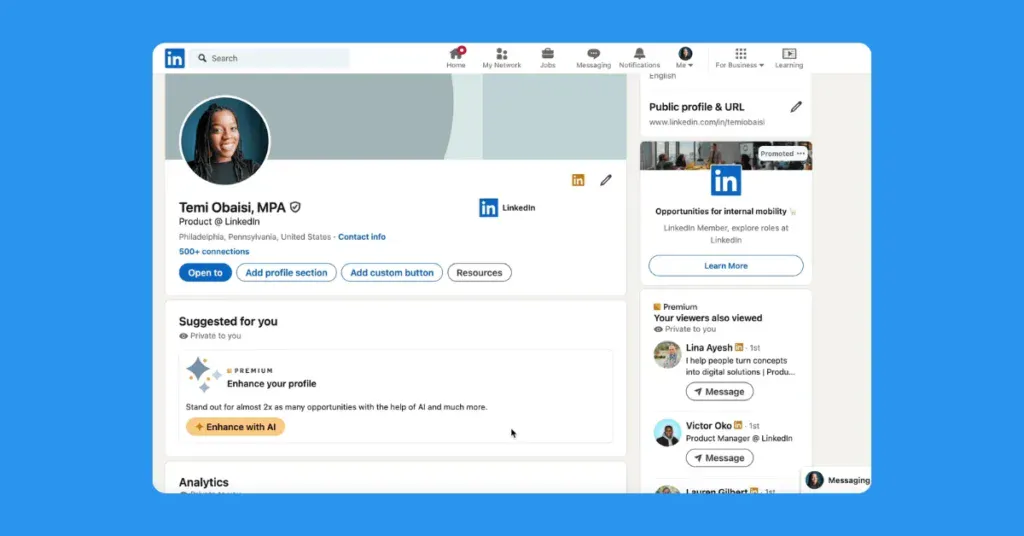
This sequencing is extremely important from a UX perspective because timing often determines whether a CTA feels helpful or intrusive.
LinkedIn rarely interrupts the experience aggressively. Most calls-to-action appear after users have already consumed valuable information or developed some level of trust.
Someone may first read an insightful article, then explore the author’s profile, notice mutual connections, observe professional credibility, and only afterward encounter an invitation to connect or learn more.
At that stage, resistance is significantly lower.
This approach aligns naturally with how trust develops in real professional relationships. Very few business relationships begin with immediate commitment. Most start with small interactions that gradually build confidence over time.
LinkedIn mirrors that process digitally.
Businesses can apply this principle very effectively within their own websites and marketing funnels.
One of the most common UX mistakes companies make is assuming every visitor is immediately ready for a high-commitment action. In reality, most users need reassurance before they are willing to book a demo, schedule a consultation, or request a proposal.
However, those same users may be willing to explore educational content, read case studies, subscribe to insights, or engage with lower-pressure interactions first.
These smaller actions create momentum and familiarity.
Once confidence increases, conversion actions become significantly more effective because users feel informed rather than pressured.
Strategy Three: Content-First UX
Perhaps the most influential aspect of LinkedIn’s UX strategy is its content-first structure.
Modern B2B buyers do not want to feel sold to immediately. They want value before commitment. They want insight before persuasion.
LinkedIn understands this exceptionally well.
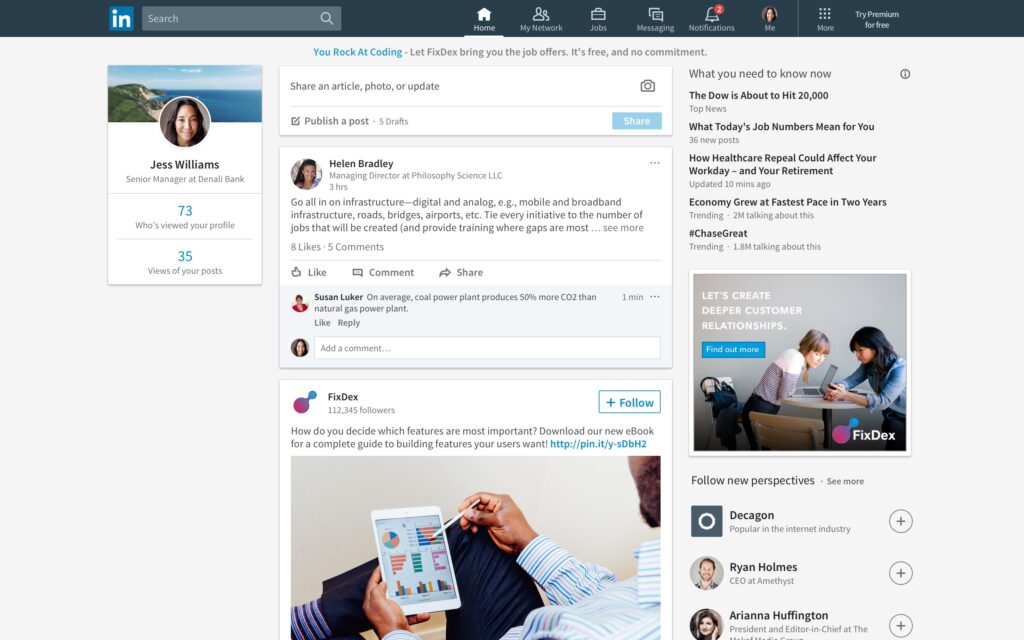
The platform places educational and expertise-driven content at the center of the user experience. Every post, article, comment, and discussion becomes an opportunity for professionals to demonstrate knowledge publicly.
This changes how trust develops online.
Traditional marketing often relies heavily on direct persuasion. Businesses tell users why they should trust them. LinkedIn’s ecosystem works differently because authority is demonstrated rather than claimed.
Someone who consistently shares useful commentary about leadership, technology, finance, marketing, or design gradually becomes associated with expertise. That association strengthens through repeated exposure over time.
This process feels more authentic because users observe competence directly instead of simply reading promotional claims.
From a psychological perspective, this mirrors how trust develops in real life. People rarely trust strangers immediately. Trust grows through repeated interactions, observed behavior, and demonstrated knowledge.
LinkedIn recreates this process digitally through content visibility.
The platform also benefits from strong readability-focused UX patterns. High-performing LinkedIn content is typically conversational, easy to scan, and visually digestible. Shorter paragraphs and cleaner formatting reduce cognitive friction and improve engagement.
That readability matters significantly.
If content feels dense, overly technical, or visually exhausting, users disengage quickly. LinkedIn encourages formats that feel approachable and comfortable to consume, especially within fast-moving professional feeds.
Businesses often underestimate how important content structure is to conversion performance.
Educational content is no longer just a branding asset. It has become part of the conversion infrastructure itself. Valuable content establishes expertise long before a sales conversation begins. That means users often enter the conversion stage with pre-existing trust already established.
This dramatically shortens the trust-building cycle.
Why LinkedIn’s Trust-Based UX Works So Well
The deeper reason LinkedIn succeeds is because the platform is fundamentally designed around reducing professional uncertainty.
Every major UX decision supports that objective.
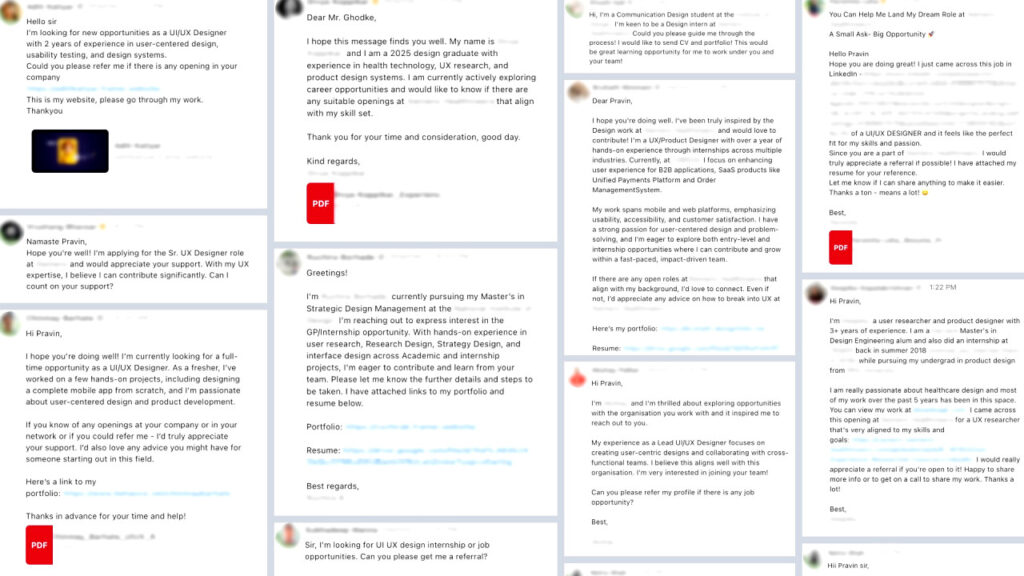
Users can verify identities clearly. They can observe expertise publicly. They can evaluate reputations continuously. They can assess credibility before taking action.
This constant reassurance lowers skepticism and increases confidence.
That emotional shift matters enormously in B2B marketing because trust is not simply a branding concept. Trust directly influences conversion behavior.
The more confidence users feel, the less friction exists between interest and action.
LinkedIn removes friction exceptionally well because it continuously reinforces legitimacy throughout the user journey.
The platform also benefits from environmental conditioning. Users expect professionalism when they open LinkedIn. That expectation changes how people behave. Conversations become more business-focused, content becomes more educational, and networking becomes more intentional.
Over time, this creates a self-reinforcing ecosystem of trust.
Applying LinkedIn UX Principles to Your Own Business
Businesses do not need to replicate LinkedIn entirely to benefit from its UX philosophy.
The most important lesson is understanding that trust should be intentionally designed into the user experience rather than treated as a secondary branding exercise.
This begins with visibility.
Companies should make expertise immediately recognizable instead of hiding behind abstract corporate messaging. Users want to understand who they are dealing with, why those people are credible, and whether they can be trusted professionally.
Strong educational content should also become part of the customer journey itself rather than existing separately from conversion strategy. Articles, founder insights, case studies, and industry commentary all help establish authority before direct sales conversations occur.
Equally important is pacing.
Calls-to-action should align with the user’s confidence level instead of aggressively demanding immediate commitment. The best UX systems guide users progressively while allowing trust to develop naturally.
When businesses combine credibility, educational value, and thoughtful UX structure, conversions improve because users feel more comfortable moving forward.
That is the real lesson behind LinkedIn’s success.
Final Thoughts
LinkedIn has become one of the most effective B2B conversion platforms in the world because it understands something many businesses still overlook: trust is the foundation of digital conversion.
Its success does not come from flashy visuals or aggressive sales tactics. It comes from creating an experience where professionalism, expertise, and credibility are continuously reinforced through thoughtful UX decisions.
By focusing on profile-driven credibility, intentional calls-to-action, and content-first engagement, LinkedIn has built an ecosystem where users feel informed, confident, and ready to interact professionally.
For businesses, marketers, founders, and creators, the takeaway is clear.
The future of B2B UX is not about louder marketing. It is about reducing uncertainty.
The brands that communicate expertise clearly, guide users naturally, and provide consistent value will earn more trust. And in B2B markets, trust is ultimately what drives conversions, relationships, and long-term growth.
Ready to Apply These LinkedIn UX Principles to Your Business?
Building trust online is no longer optional in B2B marketing. The companies that convert consistently are the ones that make credibility visible, guide users naturally, and create content that genuinely helps their audience before asking for a sale.
LinkedIn succeeds because its UX is designed around reducing uncertainty and increasing professional confidence at every stage of the customer journey. The good news is that these same principles can be applied to your own website, SaaS platform, agency, or personal brand.
If you want to improve your B2B conversion strategy, strengthen your UX, and turn more traffic into qualified leads, you can book a free strategy session with RAW.STUDIO.
During the session, you will discover how trust-centered UX strategies can help improve authority, engagement, and conversion performance for your business.
Get a UX & CRO Expert’s Eyes on Your Website. Book a free 30-minute UX Teardown and get actionable insights on what’s costing you conversions — no fluff, just fixes you can implement right away.
Book a Free UX Audit
Related posts
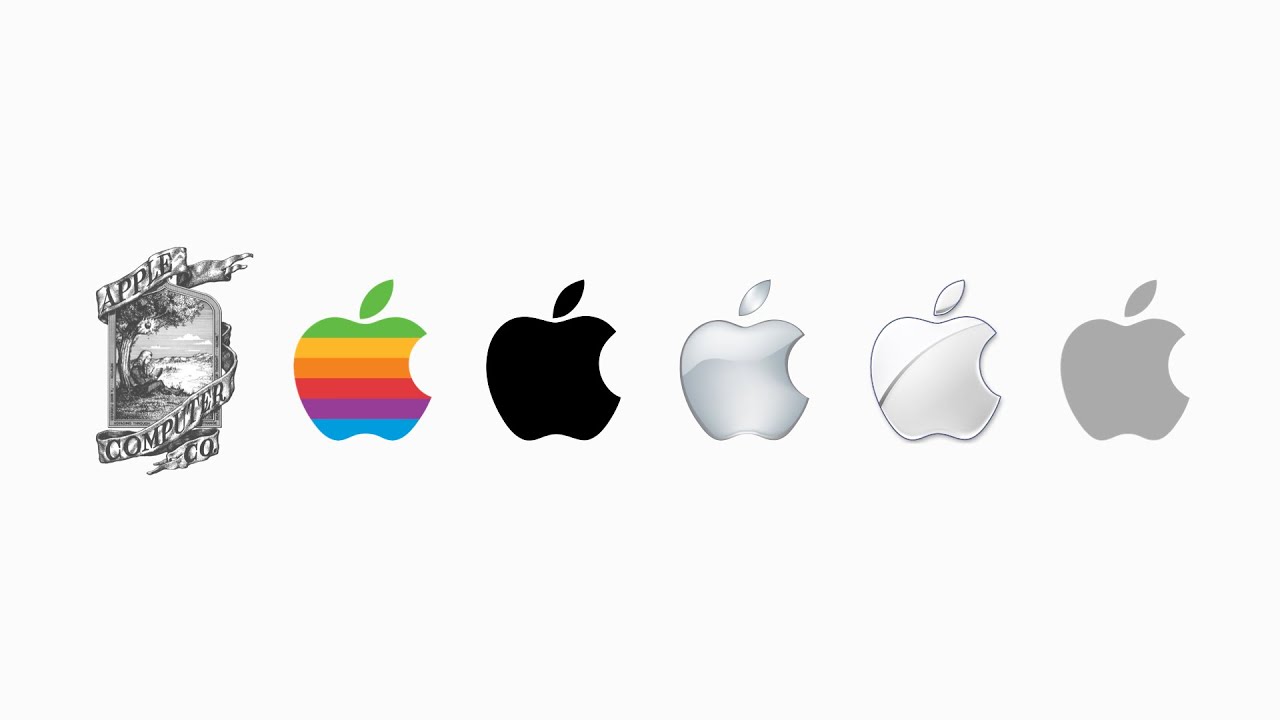
How Apple Revolutionised The Design Landscape in 6 Ways
“Design is how it works, not how it looks.” – Steve Jobs Apple has been at the forefront of design […]
Ambient AI in UX: Interfaces That Work Without Buttons
Ambient AI is quietly reshaping how people interact with digital products. Instead of clicking buttons, filling forms, or issuing explicit […]
10 Best Indexing Tools in 2026 for SEO, UX, and Better Website Visibility
Right indexing tool helps ensure your pages can be discovered in the first place. In 2026, that distinction matters. Businesses […]
Creative product design that gets results
Take your company to the next level with world class user experience and interface design.
get a free strategy session
