
How YouTube Uses 4 UX Loops to Maximize Watch Time and Conversions

YouTube UX has become one of the most influential examples of modern digital product design because it transforms ordinary user behavior into an endless cycle of engagement, retention, and monetization. Every second spent on the platform is carefully engineered through subtle UX decisions that encourage viewers to continue watching, clicking, scrolling, and interacting without interruption.
What makes YouTube particularly fascinating is that most users do not consciously notice these systems working. People believe they are simply watching videos. In reality, they are moving through a highly optimized behavioral framework designed to maximize session duration and platform dependency.
This is the core reason YouTube became one of the largest media ecosystems in history.
While many companies focus heavily on acquisition and traffic generation, YouTube focuses obsessively on retention. The platform understands a critical business truth that many startups and content brands still underestimate: keeping attention is often more profitable than acquiring new attention.
According to Alphabet earnings reports, YouTube generates tens of billions of dollars annually in advertising revenue. That revenue depends heavily on user engagement. The more time viewers spend inside the ecosystem, the more advertisements they consume, the more creators remain active, and the more valuable the recommendation engine becomes.
This creates a compounding loop.
A viewer watches more content. The algorithm collects more behavioral data. Recommendations become more accurate. Watch time increases further. Advertisers gain more impressions. Creators earn more revenue. More creators join the platform. More content becomes available. The ecosystem strengthens itself continuously.
This is why YouTube is not merely a video platform.
It is a behavioral architecture system.
In this case study, we will explore the four UX loops that helped YouTube dominate the attention economy: autoplay, recommended videos, infinite scroll, and end-screen calls-to-action. More importantly, we will examine why these systems work psychologically, how they influence human behavior at scale, and how businesses can apply similar UX principles to increase engagement and conversions ethically.
Table of Contents
Why Engagement Became YouTube’s Most Valuable Asset
In traditional media, content consumption had natural limits.
A television program ended at a scheduled time. Newspapers had finite pages. DVDs required manual selection. Even early internet browsing involved frequent stopping points because websites were disconnected experiences.
YouTube changed that entirely.
Instead of designing around isolated viewing experiences, YouTube built an interconnected engagement ecosystem where every interaction leads naturally into another. The platform’s goal is not simply to help users find one good video. Its goal is to eliminate the possibility of disengagement altogether.
This distinction is incredibly important.
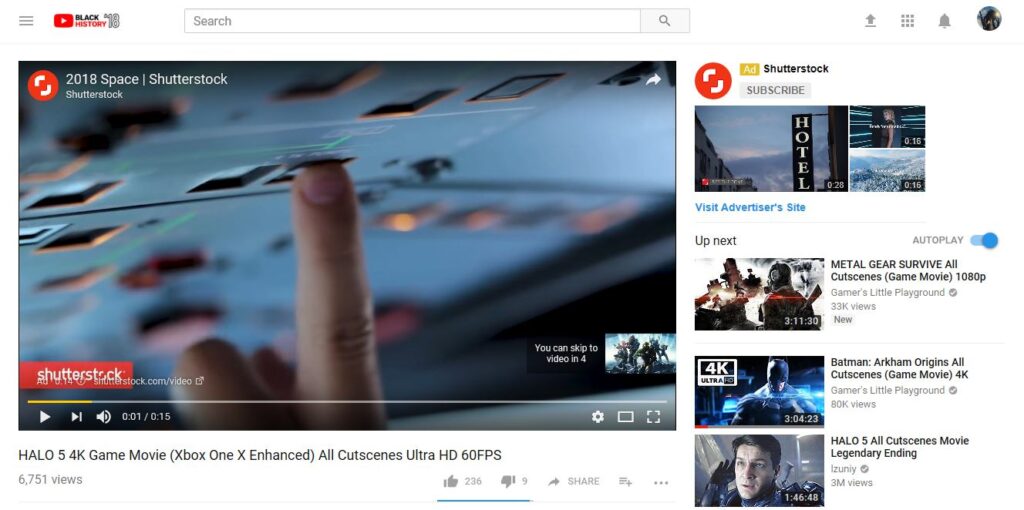
Many businesses still design customer experiences linearly. A customer lands on a page, consumes content, and leaves. YouTube designs circular experiences. Every action loops back into another opportunity for engagement.
This is one reason YouTube became extraordinarily effective at monetizing attention. A single search query can evolve into an hour-long session without the user ever intending it.
Imagine someone searching for “how to start running.”
Within thirty minutes, they may be watching marathon documentaries, nutrition advice, fitness influencers, recovery tutorials, motivational transformation stories or running gear reviews
The user entered with one intention and ended up inside an entire behavioral ecosystem.
That transition is not accidental. It is the result of UX systems working together seamlessly.
The Power of Autoplay
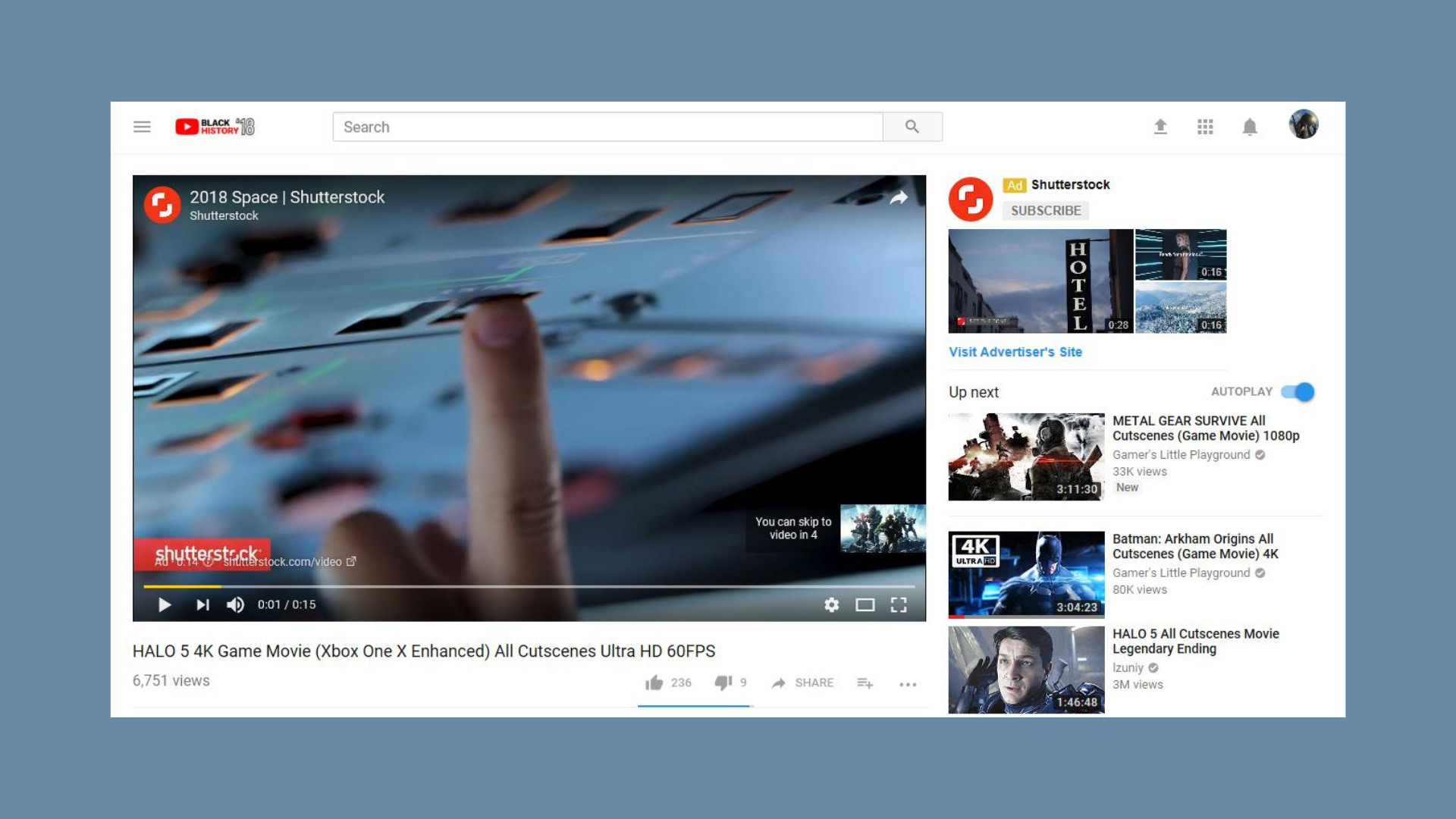
Autoplay appears deceptively simple. When one video finishes, another automatically begins.
At first glance, this may seem like a convenience feature designed to improve user experience. In reality, autoplay fundamentally changed digital viewing behavior.
Before autoplay became widespread, users had to actively decide whether they wanted to continue consuming content. That pause mattered psychologically because every moment of reflection creates an opportunity for disengagement.
A user might think:
“I should get back to work.”
“I have already watched enough.”
“I should close the app.”
Autoplay removes that decision window entirely.
Instead of asking users to continue, YouTube assumes continuation by default. The next video begins before the brain fully processes the previous ending.

This small UX adjustment dramatically increases session duration because humans naturally follow paths requiring the least effort. Behavioral economists have studied this extensively. Friction, even minimal friction, reduces continuation rates.
A single click may seem insignificant from a design perspective, but at YouTube’s scale, removing millions of clicks translates into billions of additional watch minutes annually.
The brilliance of autoplay is that it feels passive to users while actively shaping behavior underneath.
A perfect example can be seen in podcast consumption.
Creators like Joe Rogan benefit massively from autoplay-driven viewing sessions. A viewer might begin watching a short clip discussing entrepreneurship or health optimization. Once the clip ends, another related conversation begins automatically. Then another. Then a longer full-length episode appears.
Eventually, what started as a five-minute viewing session turns into ninety minutes of continuous engagement.
This is especially effective because podcast content naturally creates open cognitive loops. Discussions are conversational, unresolved, and curiosity-driven. Users want to hear one more opinion, one more story, or one more debate.
Autoplay sustains that momentum.
Netflix later adopted similar behavior with episode autoplay because the psychology is universally effective. The less effort required to continue consuming content, the longer people remain engaged.
YouTube recognized this earlier than most platforms.
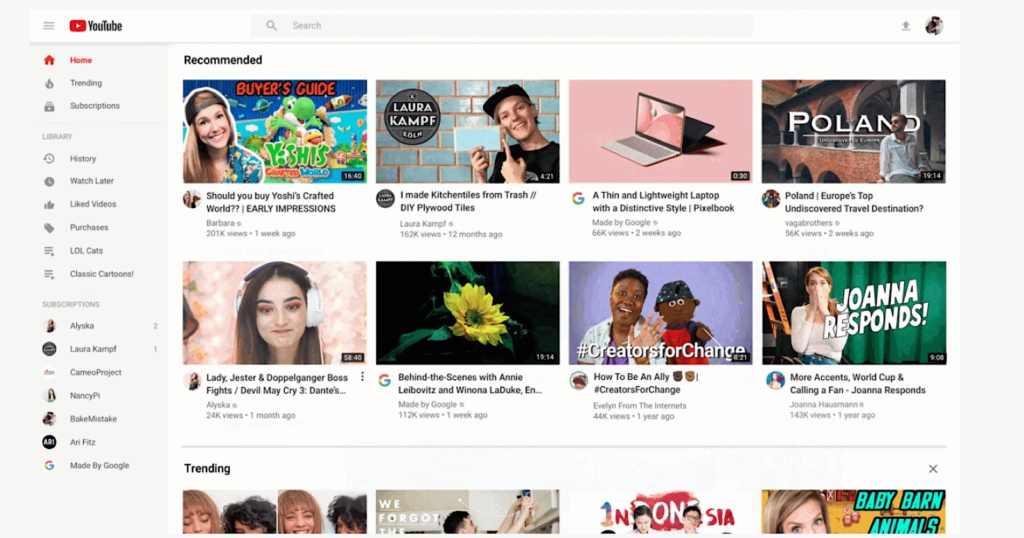
Recommended Videos and the Illusion of Choice
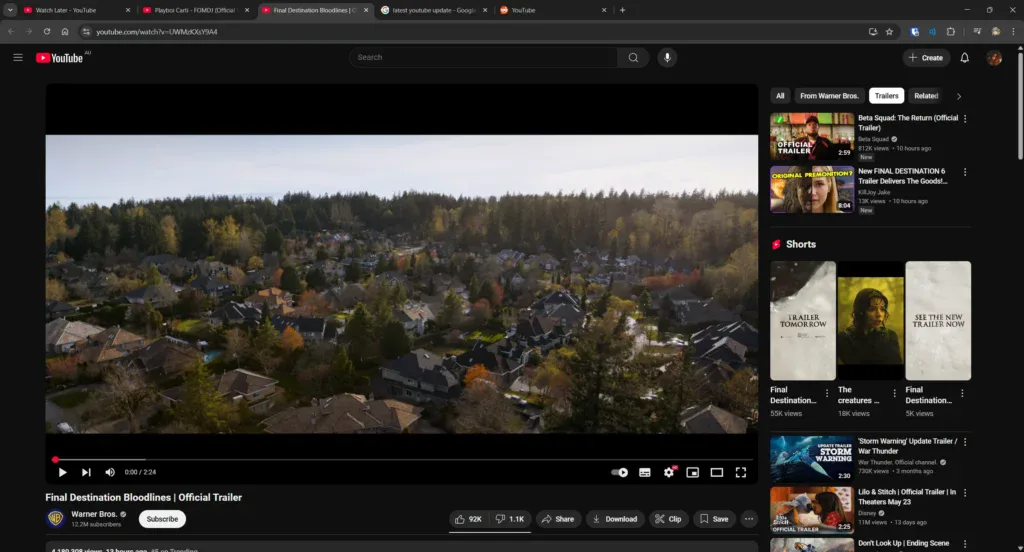
If autoplay keeps momentum alive, recommended videos determine the direction of that momentum.
YouTube’s recommendation engine is arguably the most important part of the entire platform. Former engineers and product insiders have repeatedly emphasized that recommendation quality directly influences platform retention more than almost any other feature.
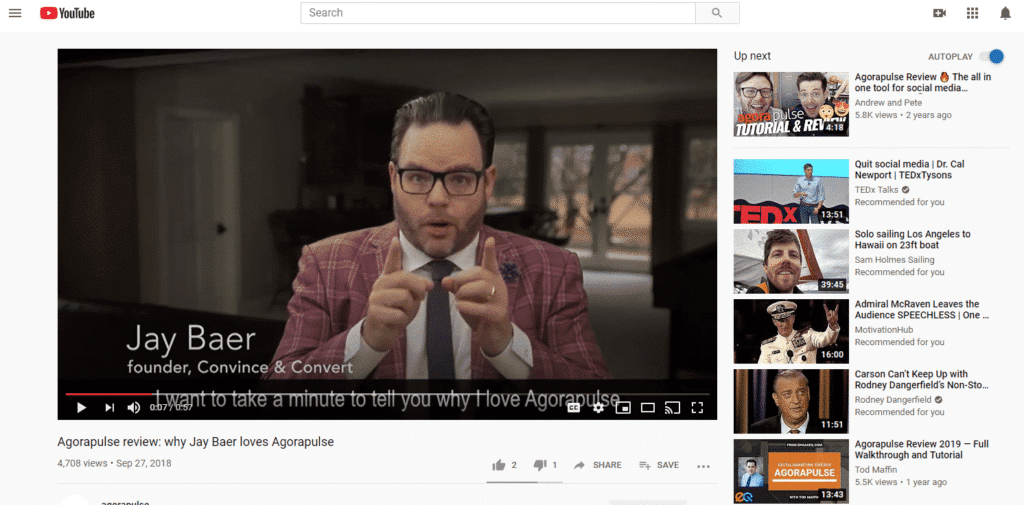
This makes sense because users rarely know exactly what they want to watch next.
YouTube solves this uncertainty through predictive personalization.
Every interaction feeds the algorithm: watch history, click patterns, viewing duration, pauses, rewatches, search behavior, topic interests, device usage, and session timing.
The platform continuously learns behavioral preferences and adjusts recommendations dynamically.
This creates an incredibly powerful user experience because viewers feel like they are independently discovering content even though the algorithm heavily guides those discoveries.
That perception matters psychologically.
Humans resist feeling controlled, but they enjoy feeling understood. YouTube’s recommendation engine succeeds because it creates the sensation of personalized discovery rather than forced consumption.
A user watching productivity content may gradually transition into entrepreneurship videos, startup case studies, business documentaries, and marketing tutorials. The pathway feels natural because recommendations maintain contextual relevance.
This is one reason recommendation systems outperform chronological content feeds.
Chronological systems prioritize recency.
Recommendation systems prioritize behavioral probability.
The latter keeps users engaged longer.
Educational platforms benefit enormously from this structure.
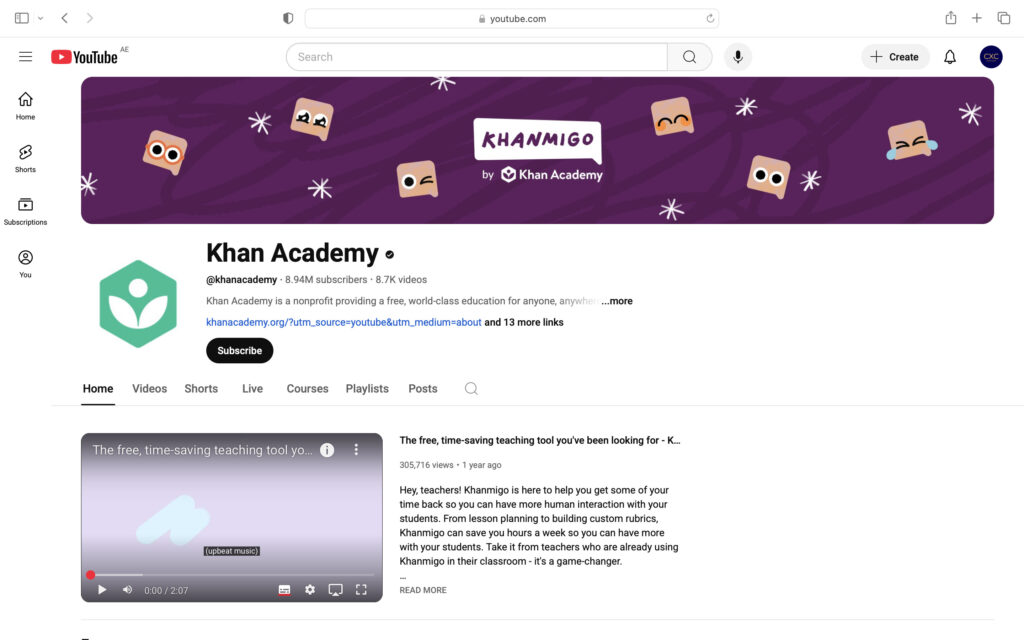
Organizations like Khan Academy thrive because YouTube recommendations extend learning journeys organically. A student searching for algebra tutorials may eventually discover physics explainers, study techniques, and university preparation content.
Instead of consuming isolated lessons, students enter broader educational ecosystems.
This increases not only watch time but also perceived platform value.
The recommendation engine also reshaped creator behavior itself.
Creators now optimize thumbnails, titles, pacing, emotional intensity, and narrative structure specifically to increase recommendation performance. This created an entirely new media economy centered around algorithmic discoverability.
Consider how many YouTube titles deliberately create curiosity:
- “The Productivity Mistake Everyone Makes”
- “Why Most Startups Fail”
- “I Tried Waking Up at 4 AM for 30 Days”
These headlines exploit what psychologists call the curiosity gap. Humans experience discomfort when they sense incomplete information. Clicking resolves that tension.
YouTube recommendations amplify this effect continuously.
Infinite Scroll and the Elimination of Stopping Points
One of the most important shifts in modern UX design was the disappearance of natural endings.
Historically, users reached endpoints frequently. A page ended. A website stopped loading content. A catalog had a final section.
Stopping points encouraged reflection.
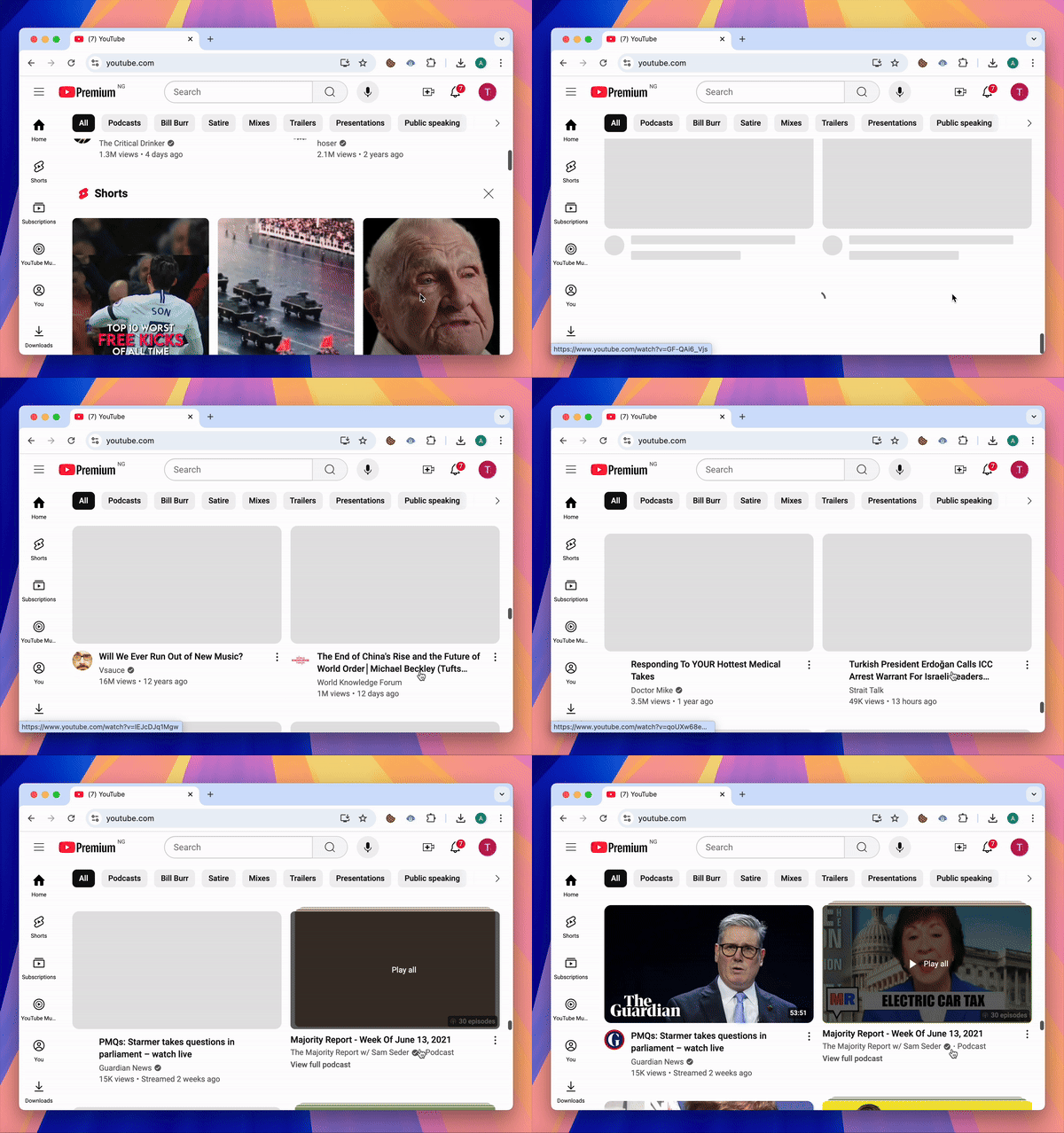
Infinite scroll removed those moments.
YouTube adopted this aggressively through home feeds, recommended content sections, Shorts, and endless browsing pathways. Users no longer experience clear boundaries between one content session and another.
The experience becomes continuous.
This design strategy dramatically alters human consumption patterns because people are highly susceptible to variable reward systems.
Behavioral psychologist B. F. Skinner demonstrated decades ago that unpredictable rewards create persistent behavior. When rewards appear inconsistently, organisms continue seeking them longer.
This principle powers casinos, social media feeds, and mobile gaming systems.
YouTube applies the same behavioral mechanism digitally.
Most videos users encounter are moderately interesting.
Occasionally, they discover exceptionally engaging content.
That unpredictability keeps users scrolling.
The next video might be amazing.
The next recommendation might teach something valuable.
The next creator might become a favorite.
This anticipation sustains engagement.
YouTube Shorts accelerated this dynamic dramatically.
Short-form vertical videos compress engagement cycles into rapid dopamine-driven interactions. Users consume massive amounts of content quickly while constantly seeking novelty.
A user intending to browse for five minutes can easily remain inside Shorts for an hour because the interface removes friction almost entirely.
Importantly, YouTube integrated Shorts into its broader ecosystem rather than isolating them. This allows short-form discovery to feed long-form watch sessions, subscriptions, and creator loyalty.
That ecosystem integration is strategically brilliant.
TikTok dominates short-form attention, but YouTube connects short-form engagement with deeper content monetization pathways.
End-Screen CTAs and Behavioral Direction
One of YouTube’s smartest UX decisions is understanding that attention alone is not enough.
Attention must be directed.
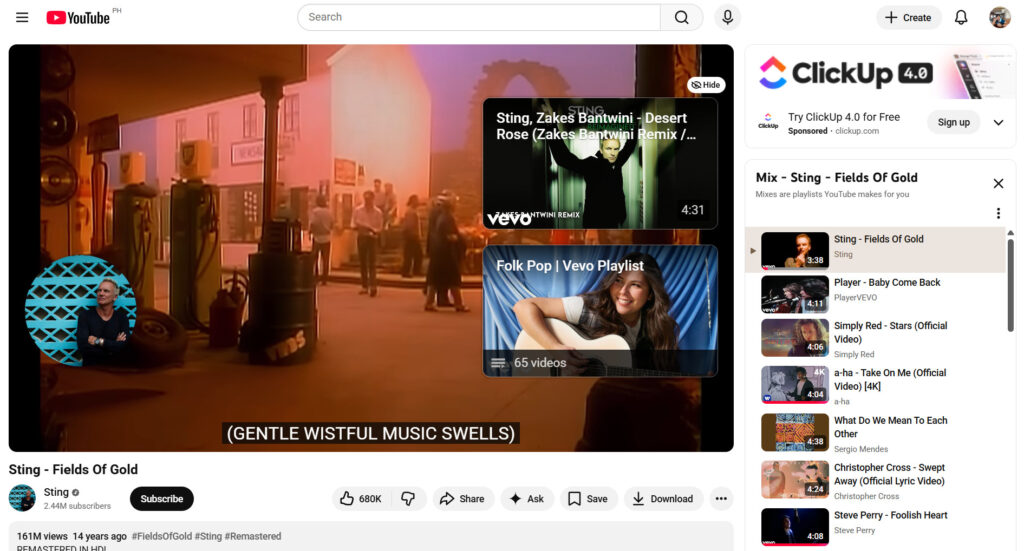
This is where end-screen calls-to-action become incredibly important.
When users finish consuming valuable content, they enter a psychologically receptive state. They are emotionally engaged, cognitively stimulated, and already invested in the creator or topic.
YouTube leverages this moment immediately.
Instead of allowing sessions to end naturally, creators present viewers with another action:
- watch another video
- subscribe to the channel
- join a membership
- purchase a course
- visit a website
- explore a playlist
This transforms passive consumption into guided progression.
The timing matters enormously.
If a CTA appears too early, it interrupts value delivery.
If it appears too late, users disengage.
YouTube optimized the transition point carefully so users encounter next-step prompts precisely when engagement peaks.
Creators like MrBeast use this strategy exceptionally well. His videos frequently lead viewers into interconnected content funnels where one challenge video transitions into another related experience seamlessly.
This dramatically increases total session duration across the creator ecosystem.
Importantly, end-screen CTAs work because they reduce uncertainty.
Many users want direction.
Decision-making creates cognitive effort. Clear recommendations simplify the user journey.
This principle extends far beyond video platforms.
Why These UX Systems Work Together So Effectively
Individually, autoplay, recommendations, infinite scroll, and CTAs are powerful.
Together, they become extraordinarily effective because each system reinforces the others.
Autoplay sustains momentum.
Recommendations personalize momentum.
Infinite scroll removes boundaries.
CTAs guide momentum intentionally.
This interconnected structure creates what behavioral designers call a retention architecture.
The user rarely experiences a moment where leaving feels natural.
That is the key insight.
Most businesses unintentionally create exit points everywhere:
- pages without internal links
- dead-end blog posts
- unclear navigation
- disconnected onboarding
- poor follow-up sequences
YouTube removes exits systematically.
Every interaction points toward another interaction.
This creates compounding engagement at massive scale.
How Businesses Can Apply YouTubeUX Principles
The most valuable lesson from YouTube is not to copy its interface visually.
The real lesson is understanding behavioral continuity.
Successful platforms guide users through meaningful journeys instead of isolated interactions.
This applies to nearly every business model.
A SaaS company can create onboarding loops where tutorials naturally lead into advanced features.
An ecommerce brand can recommend complementary products intelligently.
A newsletter can connect articles into deeper educational ecosystems.
A coach can structure content pathways that guide users toward consultations or programs.
Companies like HubSpot already apply these principles masterfully. Their blog ecosystem continuously moves users toward templates, tools, webinars, and software adoption without abrupt transitions.
Similarly, Amazon built one of the world’s strongest recommendation systems by constantly guiding users toward relevant next actions.
These systems succeed because they reduce friction while maintaining relevance.
That balance matters.
If engagement systems prioritize manipulation over value, users eventually lose trust.
The best UX loops help users progress naturally while improving outcomes.
The Ethical Side of Engagement Design
There is an important ethical conversation surrounding platforms like YouTube.
Critics argue that infinite engagement systems contribute to addictive behavior, reduced attention spans, emotional dependency, algorithmic echo chambers and excessive screen time
Films like The Social Dilemma brought mainstream attention to persuasive design practices inside social media and recommendation-driven platforms.
These concerns are legitimate.
Engagement optimization becomes dangerous when platforms prioritize retention regardless of user wellbeing.
This creates a major challenge for modern businesses.
How do you maximize engagement responsibly?
The answer lies in value alignment.
Healthy UX systems help users achieve meaningful goals in learning, entertainment, productivity, connection and problem-solving
The strongest long-term brands optimize not only for attention but also for trust.
Users eventually recognize whether a platform genuinely improves their lives or merely exploits behavioral vulnerabilities.
Sustainable growth depends on balancing business incentives with user wellbeing.
Final Thoughts
YouTubeUX became one of the most influential engagement systems in digital history because it mastered behavioral continuity.
The platform does not rely on one viral feature or one isolated innovation. Its success comes from interconnected UX loops designed to keep users moving effortlessly from one meaningful interaction to another.
Autoplay minimizes friction.
Recommendations personalize discovery.
Infinite scroll eliminates stopping points.
End-screen CTAs direct attention intentionally.
Together, these systems transformed YouTube from a video-sharing website into one of the most powerful attention economies ever created.
For businesses, creators, and marketers, the lesson is clear.
Growth is rarely driven by isolated experiences anymore.
Modern digital success depends on designing ecosystems where each interaction naturally leads into the next.
The companies that win attention long term are not always the ones with the most traffic.
They are the ones that understand how to sustain momentum.
Get a Free Strategy Session
If you want to apply YouTubeUX principles to improve retention, engagement, and conversions for your business, RAW.STUDIO offers a free strategy session to help identify UX friction points and growth opportunities across your website, product, or customer journey. Apply here: Book Your Free Strategy Session
Get a UX & CRO Expert’s Eyes on Your Website. Book a free 30-minute UX Teardown and get actionable insights on what’s costing you conversions — no fluff, just fixes you can implement right away.
Book a Free UX Audit
Related posts
Apple UX Principle: How Simplicity Drives Apple’s 5–10% Conversion Rates
The Apple UX Principle is often misunderstood as a design style defined by minimalism and clean interfaces. In reality, what […]

Top 10 Webflow Agencies in Australia in 2026
Businesses today need more than just a good-looking website. They need fast, scalable websites that convert visitors into customers. That […]
How Medium Converts Readers with 3 Content UX Strategies
Medium UX shows how a clean, value-first reading experience can turn casual readers into paying subscribers. Most content platforms fight […]
Creative product design that gets results
Take your company to the next level with world class user experience and interface design.
get a free strategy session
