
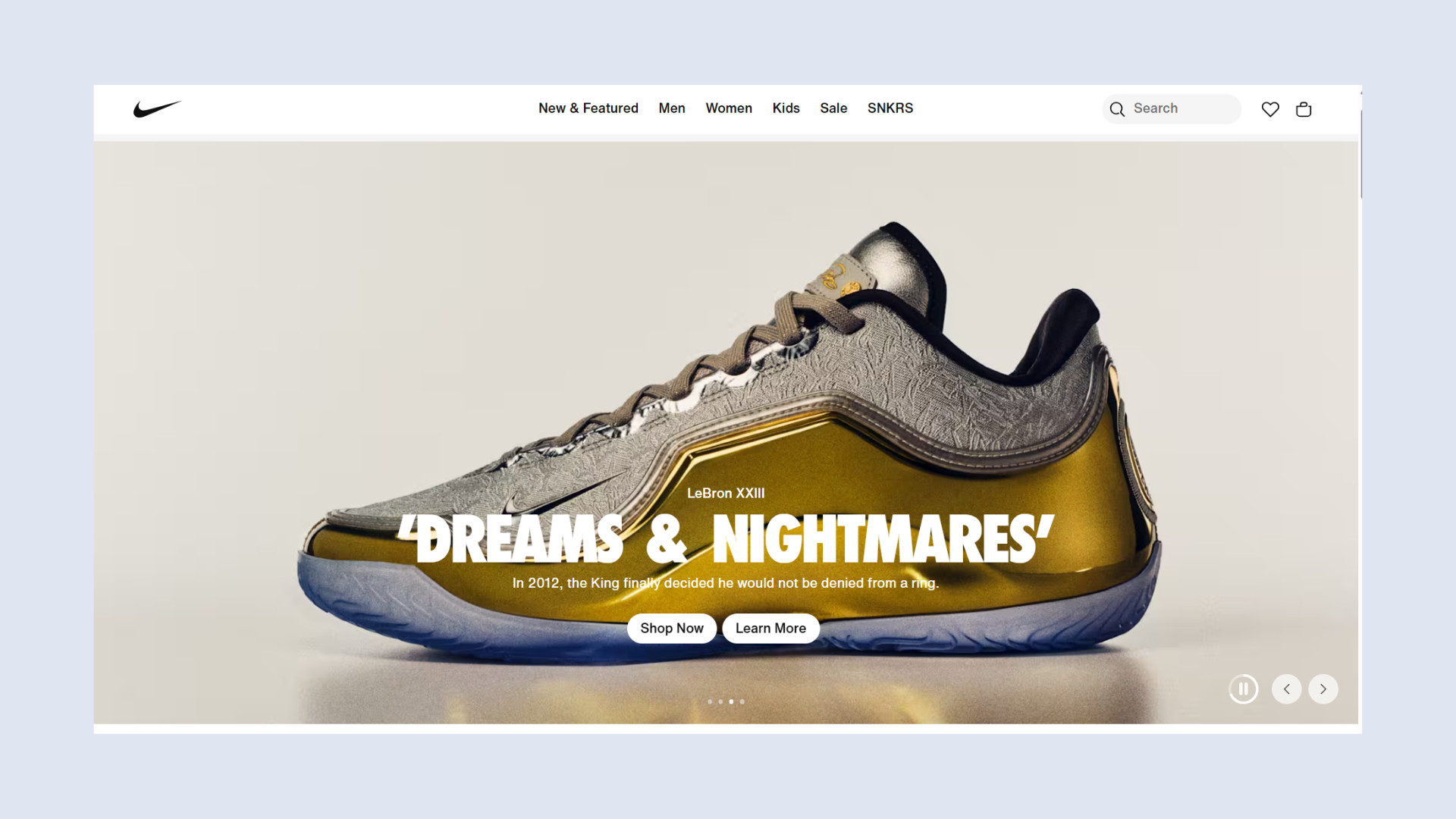
How Nike Uses 3 Storytelling UX Techniques to Increase Conversions

Nike UX is a strong example of how storytelling can turn a simple shopping experience into something more emotional, memorable, and conversion-focused.
People do not buy shoes just because they need something to wear. They buy the idea of running further. Training harder. Looking sharper. Feeling stronger. Becoming the kind of person they want to be.
That is where Nike is different.
Nike does not just show products. It builds a world around them. Every product page, campaign, app experience, and brand message connects back to a bigger story: movement, ambition, identity, and performance.
This matters because modern ecommerce is crowded. Most brands have good products. Many have clean websites. Some have strong pricing. But very few create a digital experience that makes customers feel something before they buy.
That is what Nike UX does well. It combines visual storytelling, emotional messaging, and athlete-driven narratives to make the buying journey feel less like browsing and more like joining a movement.
And while most brands do not have Nike’s budget, they can still learn from the principles behind its approach.
Table of Contents
Why Storytelling Matters in UX
A website can be functional and still fail to convert.
The buttons may work. The checkout may load. The product photos may look fine. But if users do not understand why the product matters, why they should care, or why they should choose your brand over another, they hesitate.
That hesitation is expensive.
That tells us something important: conversion is not only about traffic. It is about the experience after someone lands on your site.
Good UX removes friction. Great UX also creates desire.
Nike understands this. The brand uses UX not just to make products easy to find, but to make them feel meaningful. It does not separate brand from conversion. It treats brand, story, product discovery, and purchase flow as one connected experience.
RAW Studio talks about this same relationship in its article on how brand strategy and UX design work together to create unforgettable experiences. The core idea is simple: when brand and UX work together, users do not just understand what you sell. They understand why it matters.
Nike is one of the clearest examples of this in action.
Technique 1: Visual Storytelling
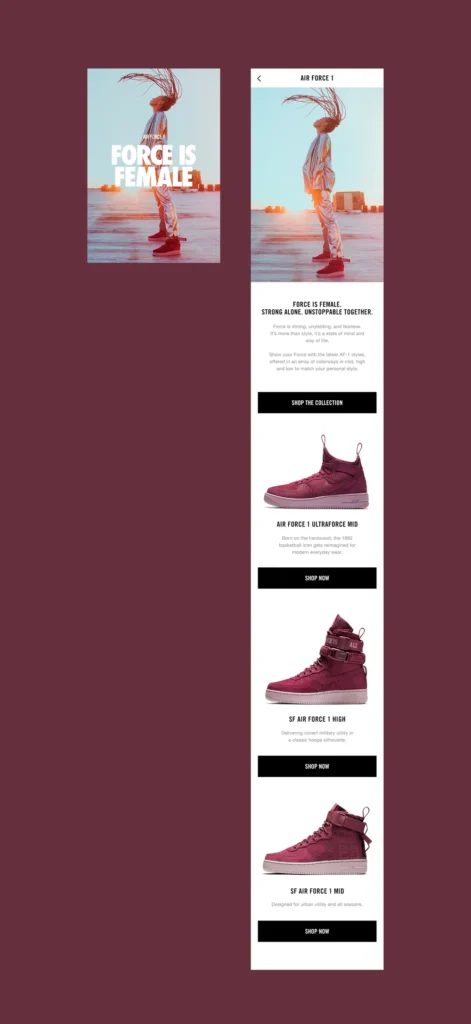
Nike’s digital experience is highly visual, but not in a decorative way.
The visuals are doing the selling.
Instead of relying only on product shots against a plain background, Nike often places products in motion. Shoes are shown on athletes. Apparel appears in training, running, basketball, football, or lifestyle settings. The product is rarely isolated from the activity it supports.
This is important because people do not always buy the product itself. They buy the outcome.
A running shoe is not just foam, rubber, and fabric. It is the feeling of finishing a run. A training shirt is not just material. It is part of a routine. A basketball sneaker is not just footwear. It is connected to speed, control, culture, and confidence.
Visual storytelling helps users imagine themselves in that outcome.
From a UX perspective, this reduces the mental gap between interest and action. Instead of forcing users to translate product features into personal value, the interface does some of that work for them.
This is especially important in ecommerce because users cannot touch or try the product through the screen. Strong visuals help replace some of that missing context. They answer questions like:
What does this feel like in real life?
Who is this for?
When would I use it?
How will I feel wearing it?
Nike’s approach also keeps the experience emotionally charged. The photography, motion, layout, and product context all reinforce the same idea: this product belongs in a story of performance and progress.
For ecommerce brands, this does not mean every page needs expensive campaign photography. It means product visuals should do more than show the item. They should show use, context, emotion, and transformation.
RAW Studio’s article on UX tips for ecommerce to increase conversions makes a related point: ecommerce design needs to be clean, digestible, and easy to navigate, but it also needs enough detail to help users feel confident. Visual storytelling can create that confidence faster than paragraphs of product copy.
Technique 2: Emotional Messaging
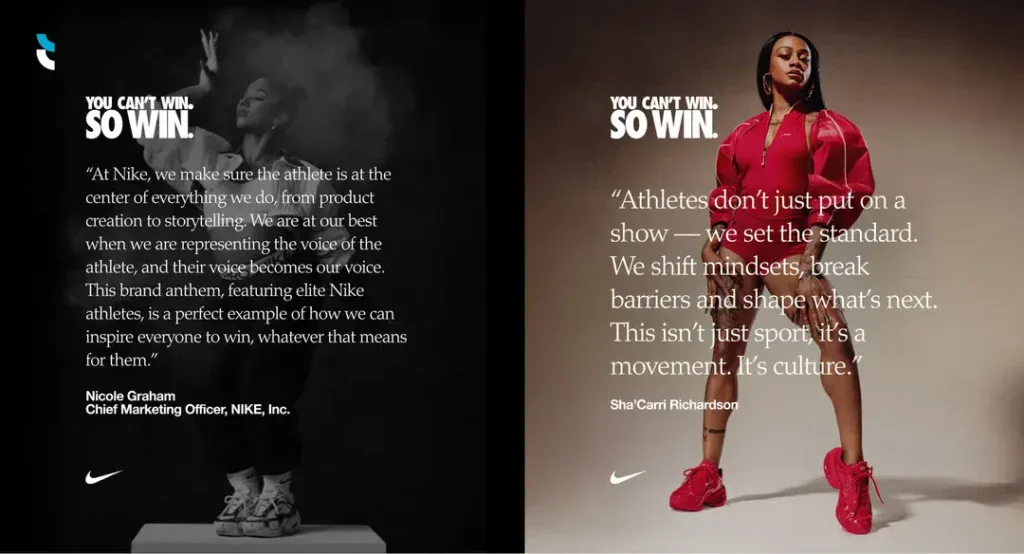
Nike’s messaging is rarely focused only on technical specifications.
Yes, Nike talks about performance, materials, innovation, cushioning, grip, and fit. But the brand usually wraps those details inside emotional language.
The message is not just: “This shoe has responsive cushioning.”
The deeper message is: “You can push further.”
That difference matters.
Features explain what a product does. Emotional messaging explains why the user should care.
Nike’s famous brand world is built around personal achievement. The user is not positioned as a shopper. They are positioned as an athlete, even if they are just starting out. Nike’s long-standing belief that “if you have a body, you are an athlete” makes the brand feel inclusive while still aspirational.
This kind of messaging works because it connects the product to identity.
People buy products that help them express who they are or who they want to become. A user might buy running shoes because they need support, but they may also be buying a signal to themselves: “I am taking this seriously.”
Nike’s UX supports that feeling across its digital experience. Product pages, campaign pages, app content, and membership messaging often connect gear to goals, routines, community, and progress.
The Nike App is a good example. Nike describes it as a personal guide with gear, stories, community, and personalized content. That positioning turns a shopping app into something broader than a catalog. It becomes a companion for movement and motivation.
This is useful for any brand trying to improve conversion.
Users need facts, but facts alone do not always create momentum. Emotional messaging gives users a reason to continue. It creates urgency without relying only on discounts. It makes the product feel personally relevant.
This is also why conversion copy should not be treated as filler. Microcopy, headlines, product descriptions, category pages, and CTAs all shape how a user feels during the buying journey.
For example, a generic CTA like “Buy Now” may work at the final step, but earlier in the journey, more contextual language can help. A running brand might use “Find your daily trainer” or “Build your race day kit.” A skincare brand might say “Start your skin routine.” A SaaS product might say “See where your funnel is leaking.”
The best UX copy gives users a next step that feels connected to their goal.
RAW Studio’s article on 5 common mistakes that kill form conversions touches on this same principle in a more practical part of the funnel. Small details in copy and interaction design can either build confidence or create doubt. Emotional messaging is not only for hero sections. It also matters in forms, checkout flows, onboarding, and confirmation screens.
Technique 3: Athlete-Driven Narratives
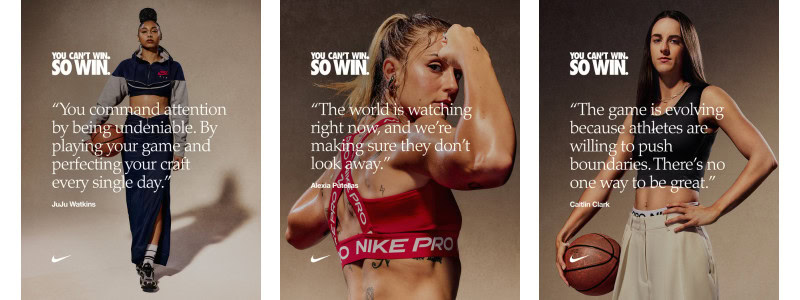
Nike’s strongest stories are usually told through people.
Athletes sit at the center of the brand. Sometimes they are global icons. Sometimes they are local runners, emerging players, or everyday people pushing toward a goal.
This gives Nike’s UX a human anchor.
A product becomes more persuasive when users can connect it to a person, a moment, or a mission. Athlete-driven narratives make products feel tested, lived in, and connected to performance.
This is not just influencer marketing. It is narrative design.
Nike uses athletes to show what the product enables. A basketball shoe is linked to explosiveness and control. A running shoe is linked to endurance and consistency. Training gear is linked to discipline and preparation.
The athlete becomes proof, but also inspiration.
This matters because social proof is more powerful when it has context. A simple review can help, but a story helps users understand why the product exists. It gives the product a role.
Nike also uses athlete narratives to strengthen product discovery. Instead of browsing through endless categories, users can enter through stories, sports, collections, training goals, or featured athletes. This makes the shopping journey feel more curated and less transactional.
For brands, the lesson is not “hire famous athletes.” The lesson is to put people at the center of the experience.
Show customers using the product. Tell founder stories. Highlight real use cases. Build landing pages around customer goals instead of product categories alone. Use testimonials that explain the before and after, not just generic praise.
A project management tool, for example, could show how a small agency went from chaotic client handoffs to a calmer workflow. A fitness product could show how beginners build consistency. A homeware brand could show how customers create better morning routines.
The story makes the product easier to understand and easier to want.
Why Nike’s Storytelling UX Works
Nike’s storytelling UX works because it connects three layers of the buying decision.
First, it captures attention through strong visuals.
Second, it creates emotional relevance through messaging.
Third, it builds belief through athlete-led stories.
Together, these layers help users move from “I am browsing” to “This feels like it fits me.”
That shift is critical for conversions.
Most ecommerce sites focus too heavily on the final transaction. They optimize buttons, discounts, cart layouts, and checkout steps. Those things matter, but they are only part of the journey.
Before someone checks out, they need to feel interested. Before they feel interested, they need to understand the value. Before they understand the value, they need to see themselves in the product.
Nike does this very well.
It also understands that brand consistency improves trust. The tone, visuals, stories, product pages, and app experience all feel connected. Users are not jumping between disconnected pieces of content. They are moving through one brand world.
That consistency reduces friction because users know what to expect. It also increases memorability because every touchpoint reinforces the same message.
This is where many brands lose conversions. Their ads feel emotional, but their website feels generic. Their product pages look clean, but the copy feels flat. Their checkout is functional, but it creates small moments of uncertainty. Their brand story exists on the About page, but not in the actual buying journey.
Nike avoids that by making storytelling part of the interface.
How Other Brands Can Apply Nike’s UX Storytelling
You do not need to be Nike to use storytelling UX.
You need to understand your customer, clarify the transformation your product supports, and build that story into the experience.
Here are three practical ways to apply the same thinking.
1. Use Visuals That Show the Product in Context
Do not rely only on polished product shots.
Show the product being used. Show the setting. Show the outcome. Show the small moments around the product that help customers imagine it in their own life.
If you sell software, use product visuals that show real workflows, not empty dashboards. If you sell furniture, show the room and the lifestyle, not just the chair. If you sell fitness gear, show movement, preparation, and progress.
The goal is to help users answer: “Is this for me?”
Good visuals reduce uncertainty. They also create desire faster than feature lists alone.
2. Tell User-Focused Stories
Many brands tell stories about themselves. Better brands tell stories about their users.
Your product should not always be the hero. The customer should be the hero. Your product is the tool that helps them reach the next step.
This is one reason Nike’s storytelling works so well. Even when famous athletes appear, the message often reflects a universal emotion: discipline, doubt, pressure, comeback, ambition, or progress.
Your brand can do the same by framing copy around customer moments.
Instead of saying, “Our platform has advanced analytics,” say, “Know which part of your funnel is stopping buyers before it costs you another week of guessing.”
Instead of saying, “Our skincare product uses premium ingredients,” say, “Build a routine that feels simple enough to stick with.”
Instead of saying, “Our agency designs high-performing websites,” say, “Turn your website into a clearer path from first impression to booked call.”
User-focused storytelling makes the value easier to feel.
3. Combine Brand and UX
Brand and UX should not live in separate rooms.
Your brand defines what you stand for. UX defines how users experience it. When the two work together, every interaction becomes more persuasive.
This means your product pages, navigation, onboarding, forms, checkout, error states, and confirmation messages should all feel like part of the same story.
If your brand is premium, the UX should feel calm, clear, and confident.
If your brand is playful, the UX can use more personality, but it still needs to be easy to use.
If your brand is performance-driven, the UX should help users move quickly and make decisions with confidence.
This is where conversion-focused design becomes more than layout. It becomes the practical expression of your brand.
RAW Studio’s article on reducing checkout abandonment through micro UX is a good example of how small experience details can influence revenue. A brand story might attract users, but micro UX helps them complete the journey.
Final Thoughts
Nike UX shows that storytelling is not just a marketing layer placed on top of ecommerce. It can be built into the structure of the entire user experience.
Visual storytelling helps users imagine the product in their life.
Emotional messaging gives the product meaning.
Athlete-driven narratives create belief, credibility, and aspiration.
Together, these techniques help Nike turn browsing into belonging. The user is not just buying a shoe, a shirt, or a training product. They are buying into a story about who they are and what they can become.
That is the real conversion lesson.
The best digital experiences do more than move users through a funnel. They help users see themselves in the outcome.
For brands that want stronger conversions, the opportunity is clear: stop treating UX as only usability and stop treating storytelling as only advertising. Bring them together.
Because when users feel understood, inspired, and confident, they are much more likely to take the next step.
Want to Turn Your Website Into a Better Conversion Experience?
Nike shows what happens when brand, storytelling, and UX work together. Your website might not need athlete campaigns or global-scale visuals, but it does need a clearer path from attention to action.
If your website feels polished but is not converting the way it should, RAW Studio can help you uncover what is creating friction, what needs to be improved, and how to turn your brand story into a sharper digital experience.
Request a website proposal from RAW Studio and get a clearer plan for improving your UX, messaging, and conversion journey.
Get a UX & CRO Expert’s Eyes on Your Website. Book a free 30-minute UX Teardown and get actionable insights on what’s costing you conversions — no fluff, just fixes you can implement right away.
Book a Free UX Audit

Related posts
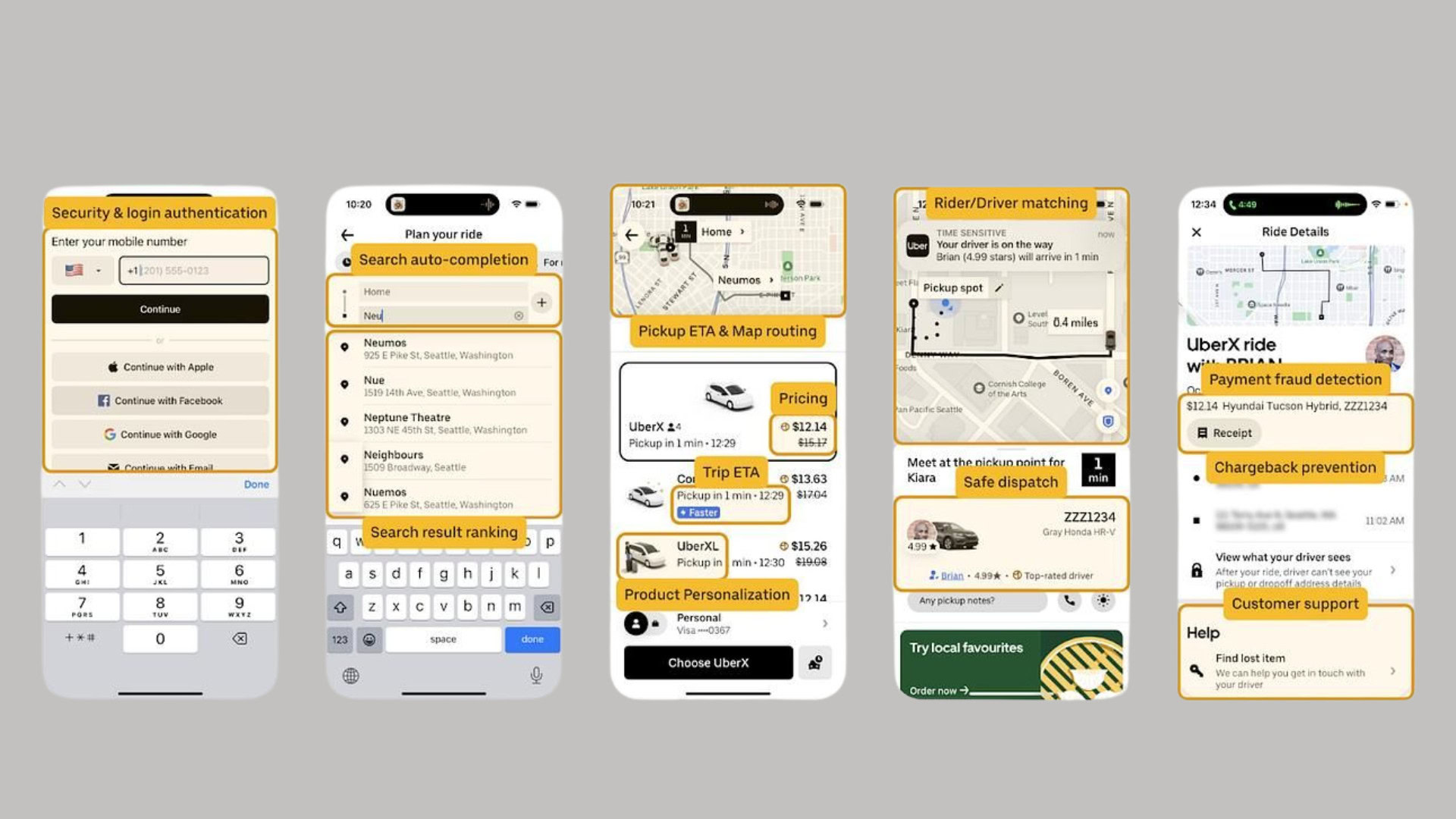
How Uber Increased Ride Conversions by 14.5% with 3 Friction-Reducing UX Changes
Uber UX did not simply improve ride booking. It reshaped how people expect digital products to behave. Today, booking a […]
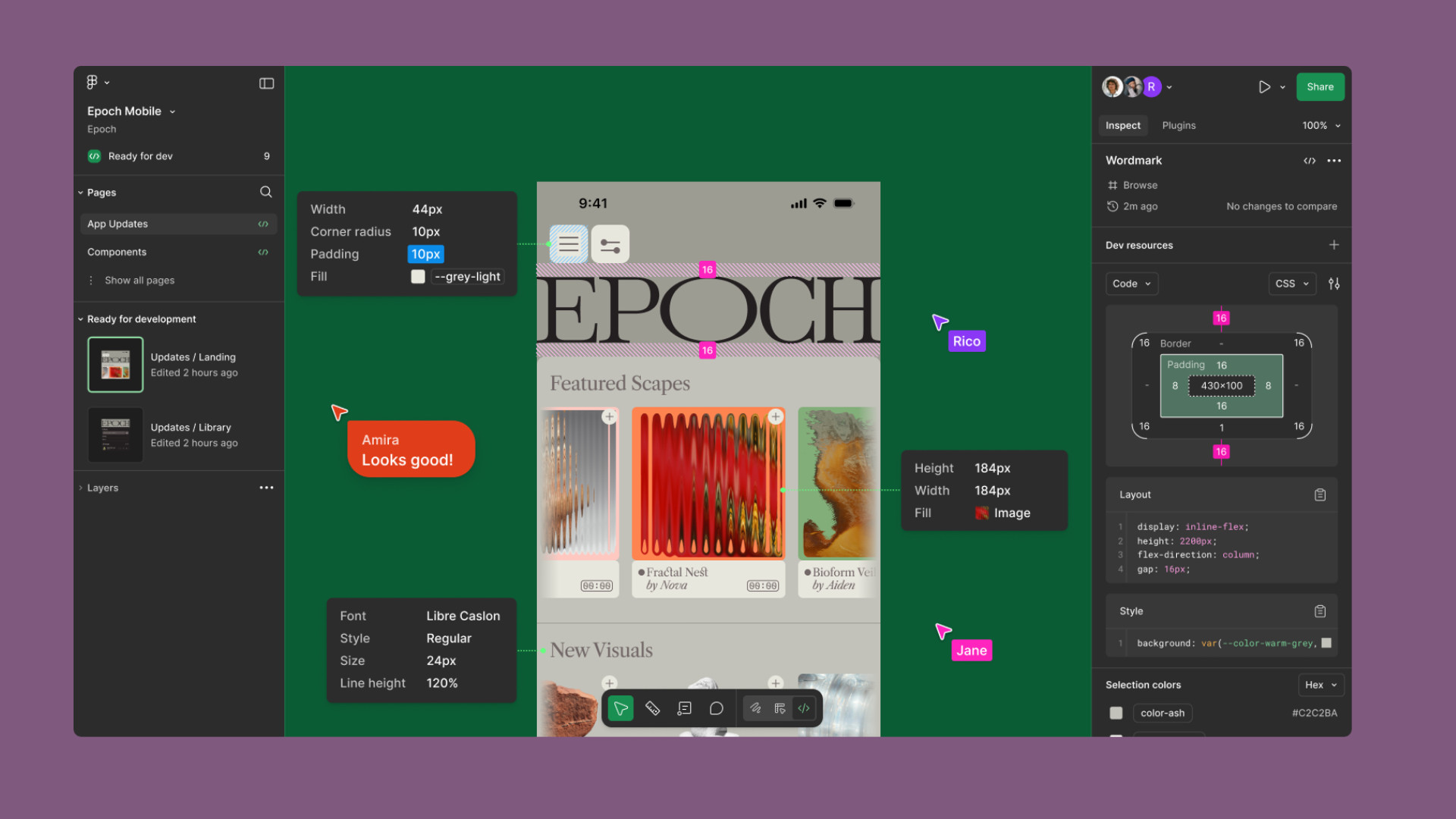
How Figma Uses 3 Collaboration UX Patterns to Drive Product Adoption
For years, digital design was treated as a largely solo activity. A designer worked in a desktop application, saved a […]
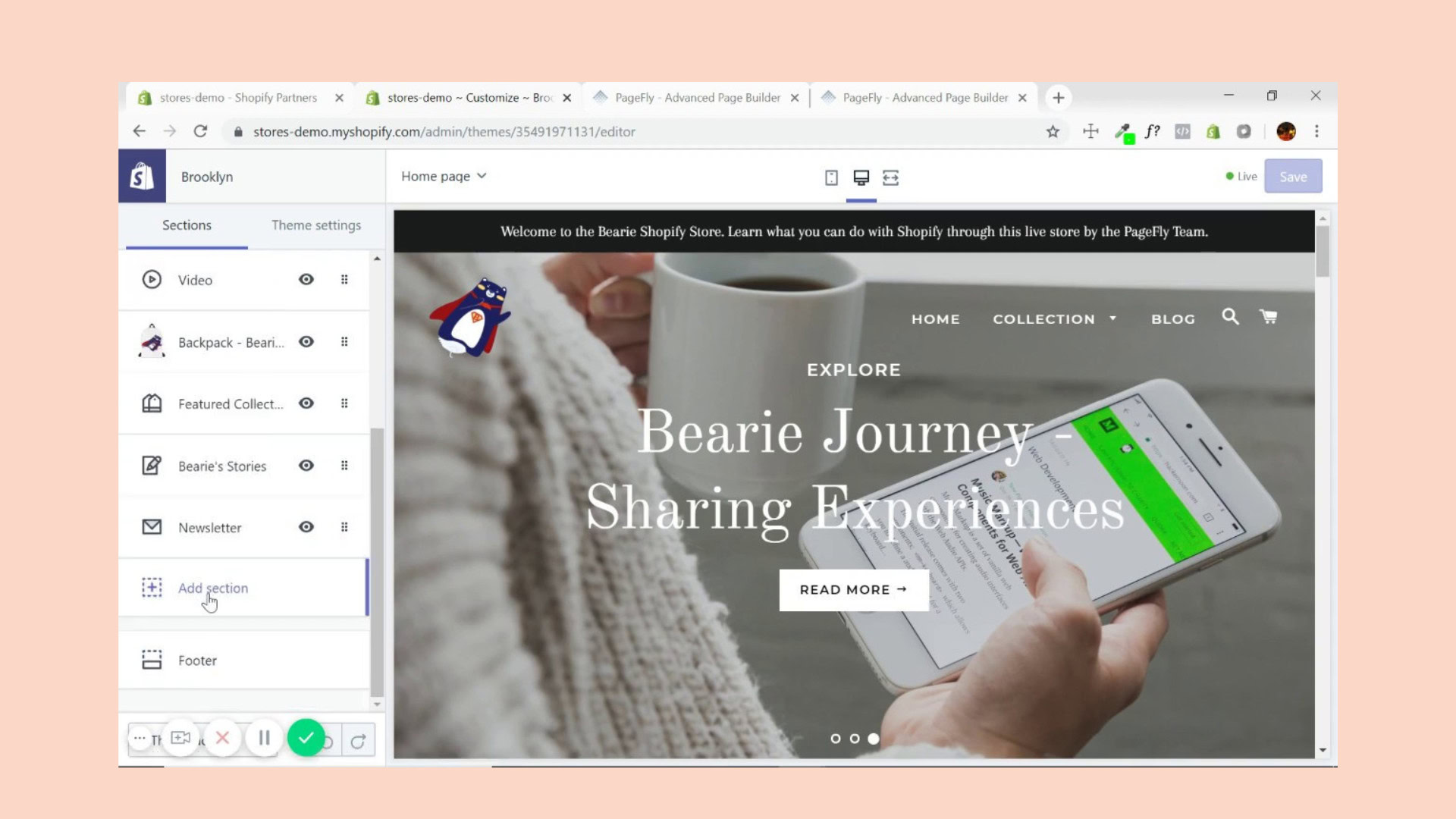
How Shopify UX Uses 4 Homepage Elements to Turn Visitors into Customers
Shopify UX is not just about clean design, it is a carefully engineered experience that transforms uncertainty into action and […]
Creative product design that gets results
Take your company to the next level with world class user experience and interface design.
get a free strategy session
