

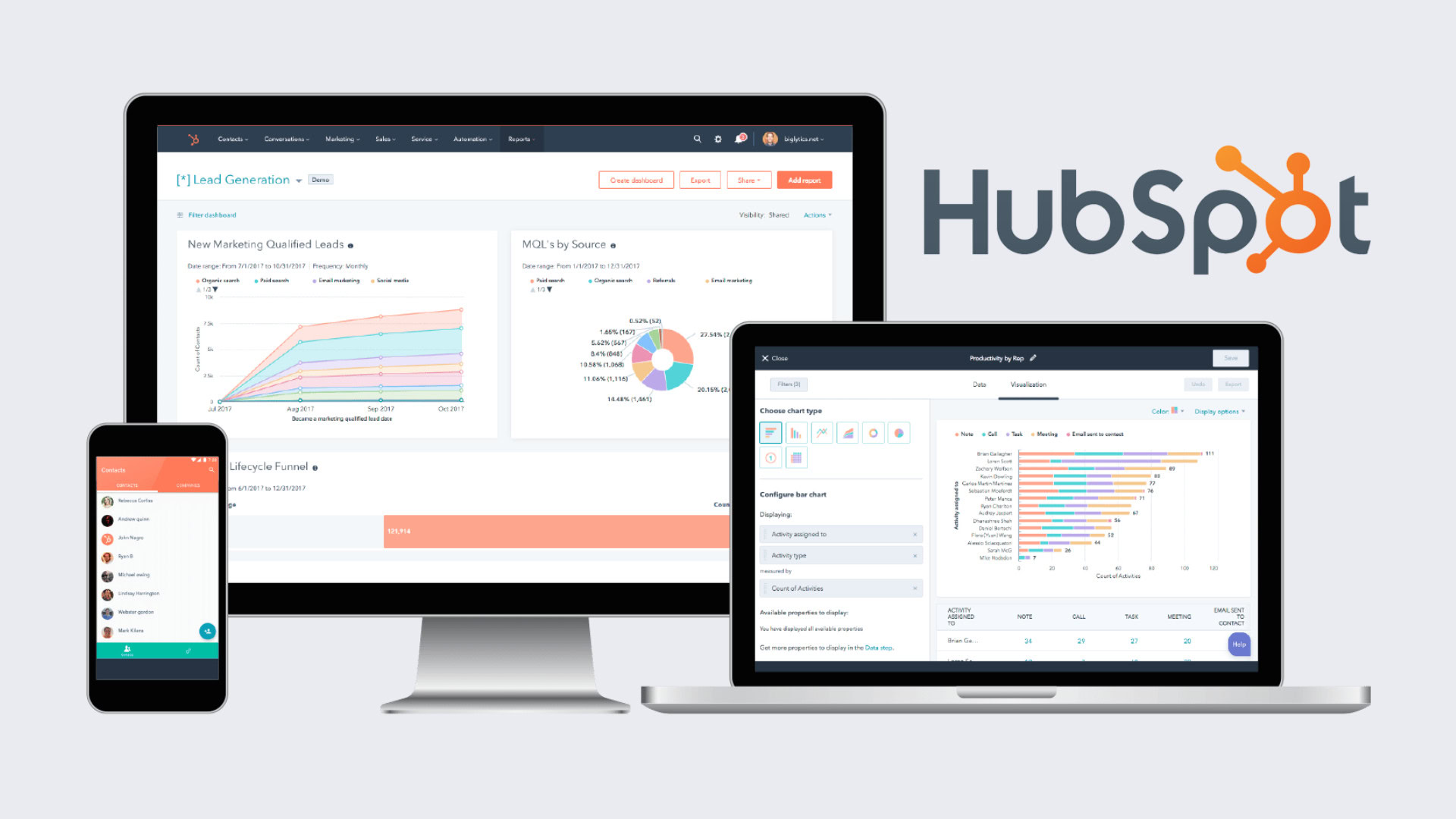
How HubSpot Converts Traffic with 4 UX-Driven Funnel Strategies

Hubspot UX shows how a strong content experience can turn casual website traffic into leads, and eventually, into customers.
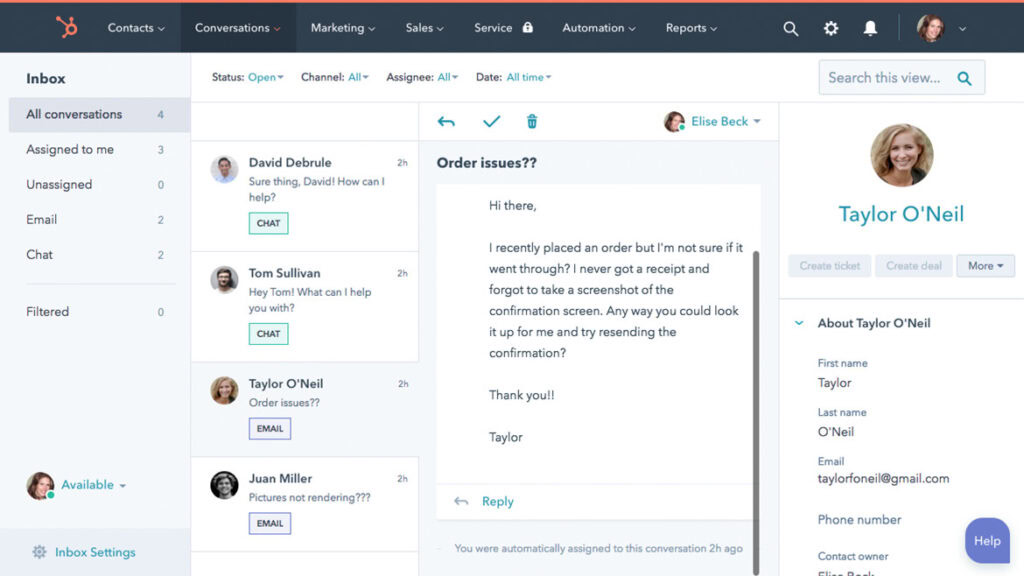
For many businesses, traffic is treated like the main goal. Teams publish blog posts, run paid campaigns, optimize SEO pages, and push social content because more visitors usually feel like more progress. But traffic alone does not grow a business. The real question is what happens after someone lands on the website.
Do they understand the value quickly? Do they know what to do next? Do they feel motivated enough to exchange their details for something useful? Do they receive a relevant follow-up based on what they have already shown interest in?
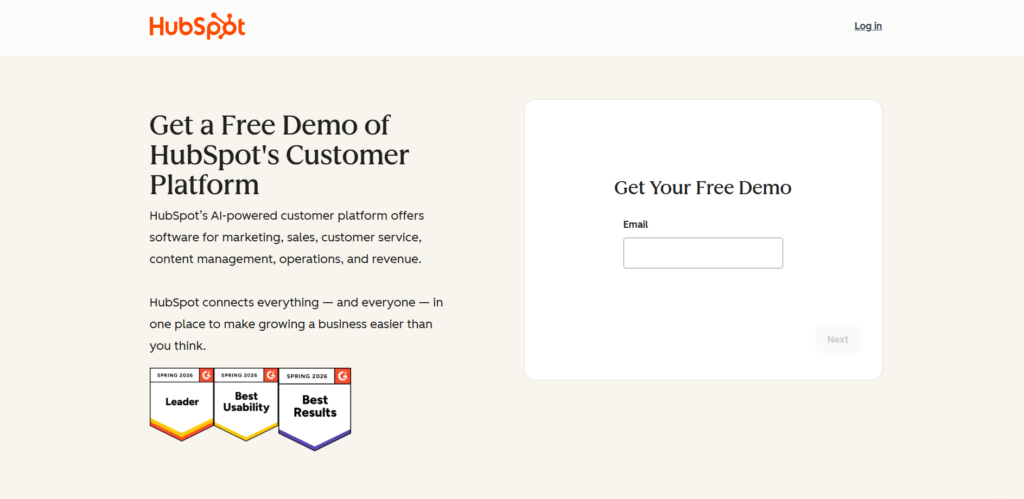
This is where HubSpot UX becomes interesting. HubSpot does not rely on content alone. It uses content as the beginning of a carefully designed funnel. The journey often starts with a blog article, guide, template, report, or educational resource. From there, the user is moved toward a relevant call-to-action, offered a useful lead magnet, asked for the right amount of information, and gradually nurtured toward a product or sales conversation.
In other words, HubSpot turns the simple path of content to leads to customers into a structured user experience.
This article breaks down four UX-driven funnel strategies HubSpot uses to convert traffic more effectively: gated content, strong CTAs, lead magnets, and progressive profiling. More importantly, it explains why these strategies work and how other brands can apply the same thinking to their own websites.
Table of Contents
Why HubSpot UX Is Built Around the Funnel
A good funnel does not force people to convert. It helps them move forward when they are ready.
That distinction matters. Many websites treat lead generation as an interruption. A visitor arrives to read an article, and within seconds, they are hit with pop-ups, vague newsletter prompts, aggressive demo requests, or forms that ask for too much information too early. The business wants the lead, but the user does not yet see enough value to justify giving anything away.
HubSpot takes a more strategic approach. Its funnel experience is built around value exchange. Users are often given useful educational content first, then invited to access a deeper resource that matches the topic they are already exploring.
This is effective UX because it respects user intent.
Someone reading about marketing planning may be offered a marketing plan template. Someone researching sales enablement may see a guide, checklist, or CRM-related resource. Someone learning about customer service may be invited to download a support-related tool or report. The offer is not random. It is connected to the user’s current problem.
This is also why HubSpot UX feels less like a hard sell and more like a guided journey. The website does not simply say, “Book a demo.” It often says, “Here is something useful that helps you solve the problem you came here with.”
That small shift is powerful.
RAW Studio explores similar conversion principles in its article on How PayPal Increased Conversions with 3 Trust-Building UX Elements, where the focus is not only on making an interface usable, but on reducing hesitation at the moment of decision. HubSpot applies that same idea earlier in the funnel. It reduces hesitation by giving users a clear reason to continue.
Strategy 1: Gated Content That Feels Worth the Exchange
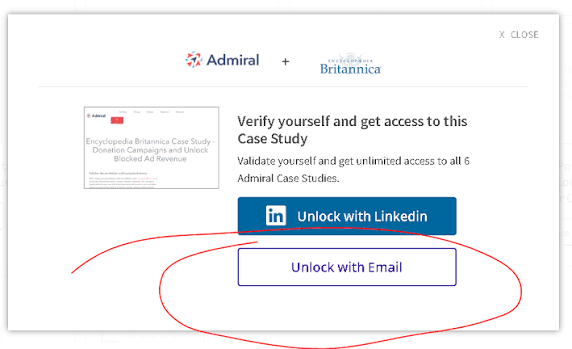
Gated content is one of HubSpot’s most recognizable funnel strategies. Instead of making every resource instantly available, HubSpot often places high-value assets behind a form. These assets may include templates, ebooks, reports, kits, calculators, webinars, or planning documents.
At first, gating content can sound like friction. The user has to stop, fill out a form, and provide personal information before accessing the resource. Poorly designed gated content can absolutely hurt the experience, especially when the offer is weak or the form feels too demanding.
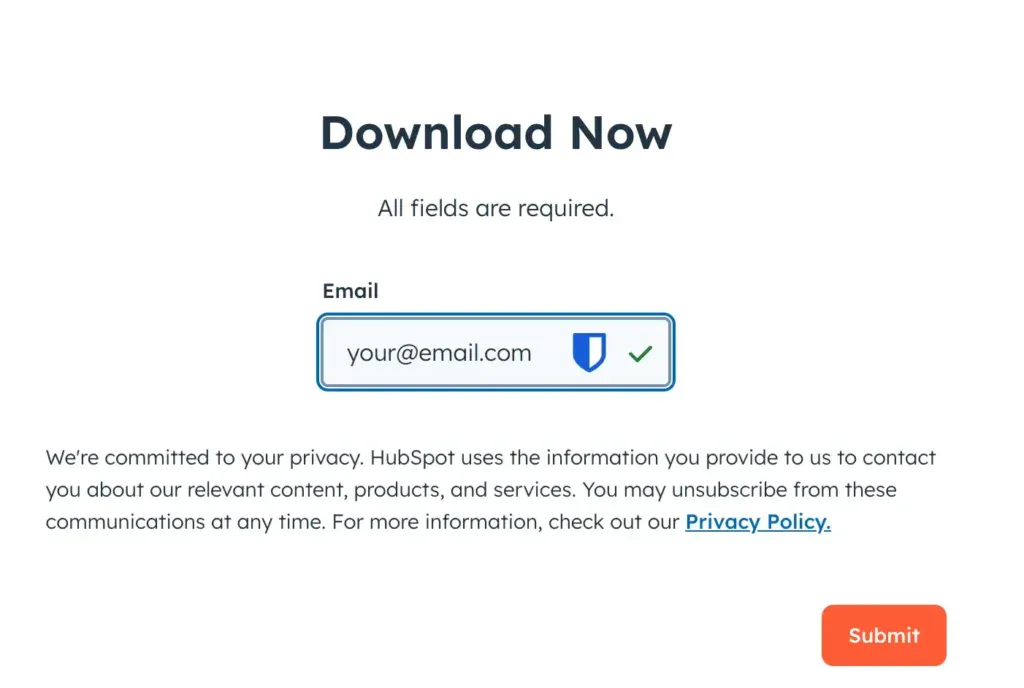
But HubSpot makes gated content work because the perceived value is usually clear.
The user is not just asked to subscribe to a generic newsletter. They are offered something specific. A template saves time. A checklist reduces uncertainty. A report gives insight. A kit helps complete a task. The asset has a practical use, which makes the exchange feel more reasonable.
This is the foundation of effective gated content UX. Users are more likely to share information when they understand what they will receive, why it matters, and how it helps them right now.
For example, a vague offer like “Download our free guide” does not create much motivation. A more specific offer like “Download the free marketing campaign planning template” is stronger because it tells the user what the asset is and how it can be used.
HubSpot’s gated content experience also benefits from contextual placement. The offer often appears near related content, which makes the next step feel natural. A blog reader who has already shown interest in a topic does not need to be convinced from scratch. The gated resource simply deepens the value of the page they are already reading.
This is where many businesses get gated content wrong. They create one generic ebook and promote it everywhere. HubSpot’s approach is more aligned with user intent. The resource matches the topic, the funnel stage, and the problem the visitor is trying to solve.
For other brands, the lesson is simple. Do not gate content just because you want leads. Gate content when the asset is genuinely useful enough to deserve the exchange.
Strategy 2: Strong CTAs That Create a Clear Next Step
A website without strong CTAs often leaves users stranded. They may enjoy the content, understand the brand, and even feel interested, but if the next step is unclear, they leave.
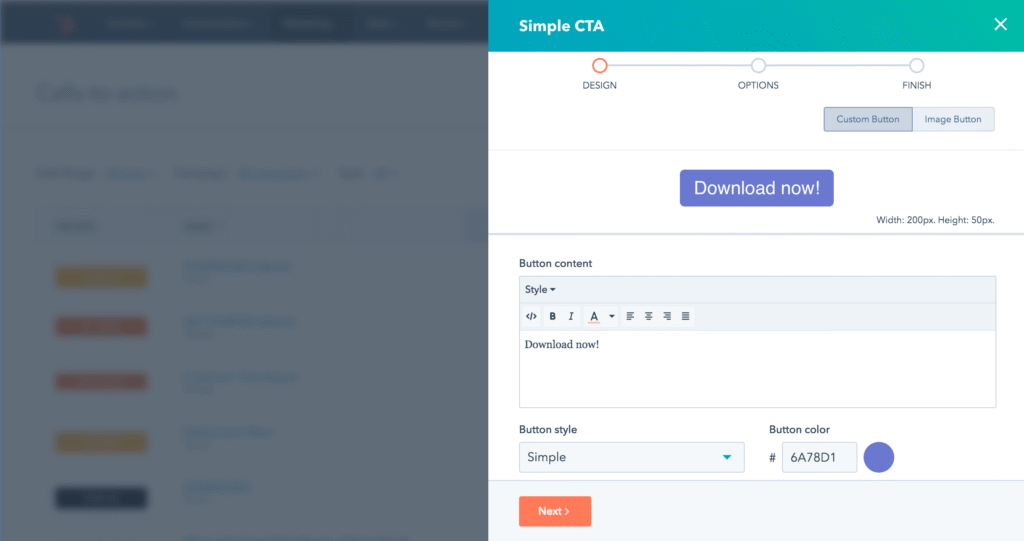
HubSpot UX avoids this by making calls-to-action a central part of the content experience.
Its CTAs are usually specific, action-oriented, and connected to the user’s current context. Instead of relying only on broad buttons like “Learn More” or “Contact Us,” HubSpot often uses CTAs tied to concrete outcomes. A user might be invited to download a template, get a guide, start a free tool, try software, or access a related resource.
This matters because the best CTAs reduce decision-making effort.
When a visitor reaches the end of an article, they should not have to think too hard about what to do next. The page should guide them toward the most relevant next action. That action does not always need to be a purchase or demo request. In many cases, it is more effective to offer a smaller step that matches the user’s level of intent.
A first-time visitor reading an educational blog post may not be ready to speak with sales. But they may be ready to download a useful template. That smaller conversion still matters because it creates a relationship. Once the user becomes a lead, the business can continue the conversation through email, retargeting, CRM workflows, or personalized follow-ups.
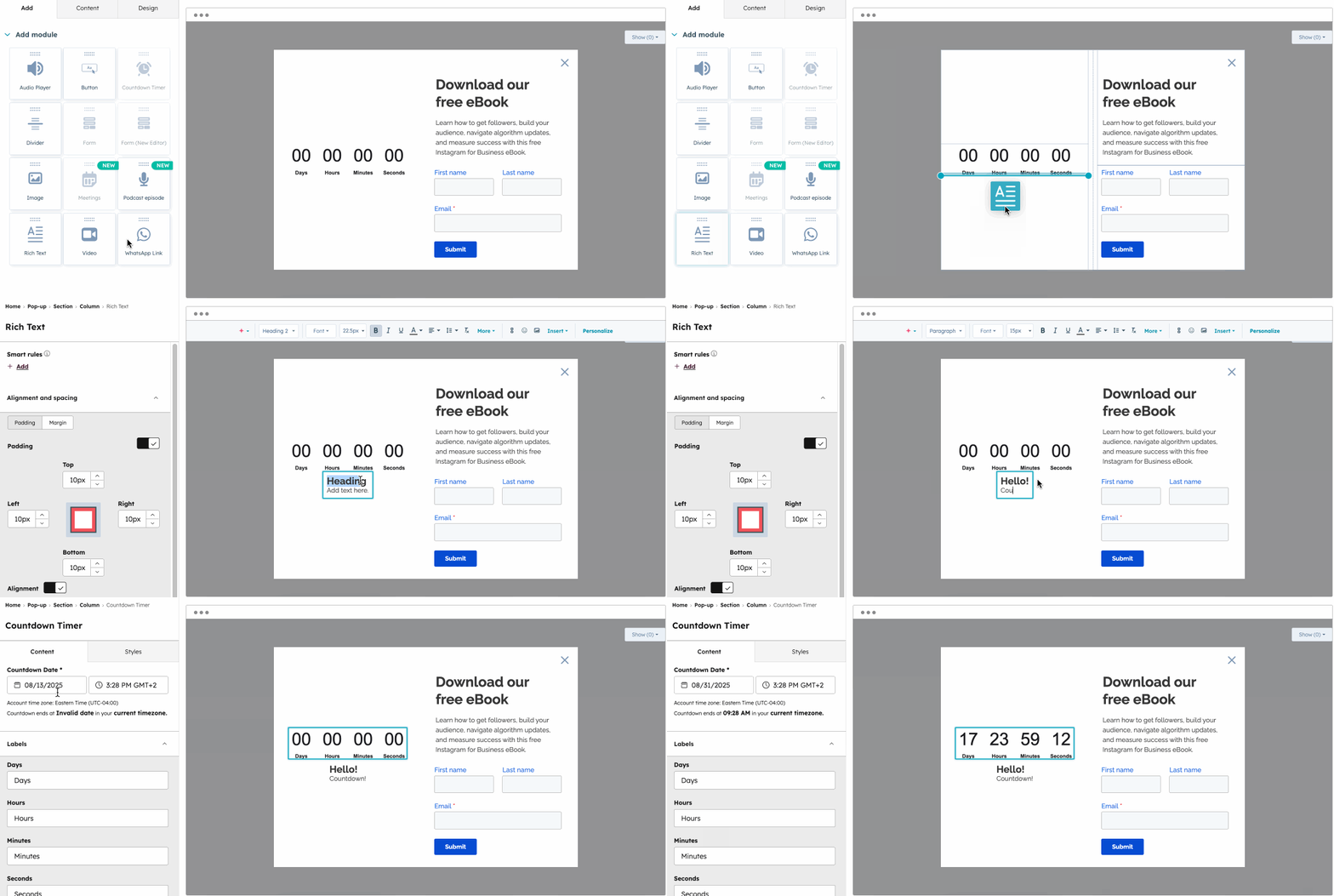
Strong CTAs also work because they make the page feel purposeful. Every piece of content has a role in the funnel. The article attracts attention. The CTA captures intent. The offer creates value. The form turns anonymous traffic into a known contact.
This is not only a marketing tactic. It is a UX decision.
RAW Studio’s article on How IKEA Uses 4 UX Strategies to Simplify Complex Buying Decisions shows how good UX helps users navigate complexity by making decisions feel easier. HubSpot applies that same principle to content funnels. Instead of overwhelming users with every possible option, it gives them a clear next step.
For businesses trying to improve their own website funnel, CTA clarity is one of the fastest wins. Every high-traffic page should answer one question: what should the visitor do next?
If the answer is unclear, the page is leaking potential leads.
Strategy 3: Lead Magnets That Solve Immediate Problems
Lead magnets are not just free downloads. At their best, they are problem-solving tools.
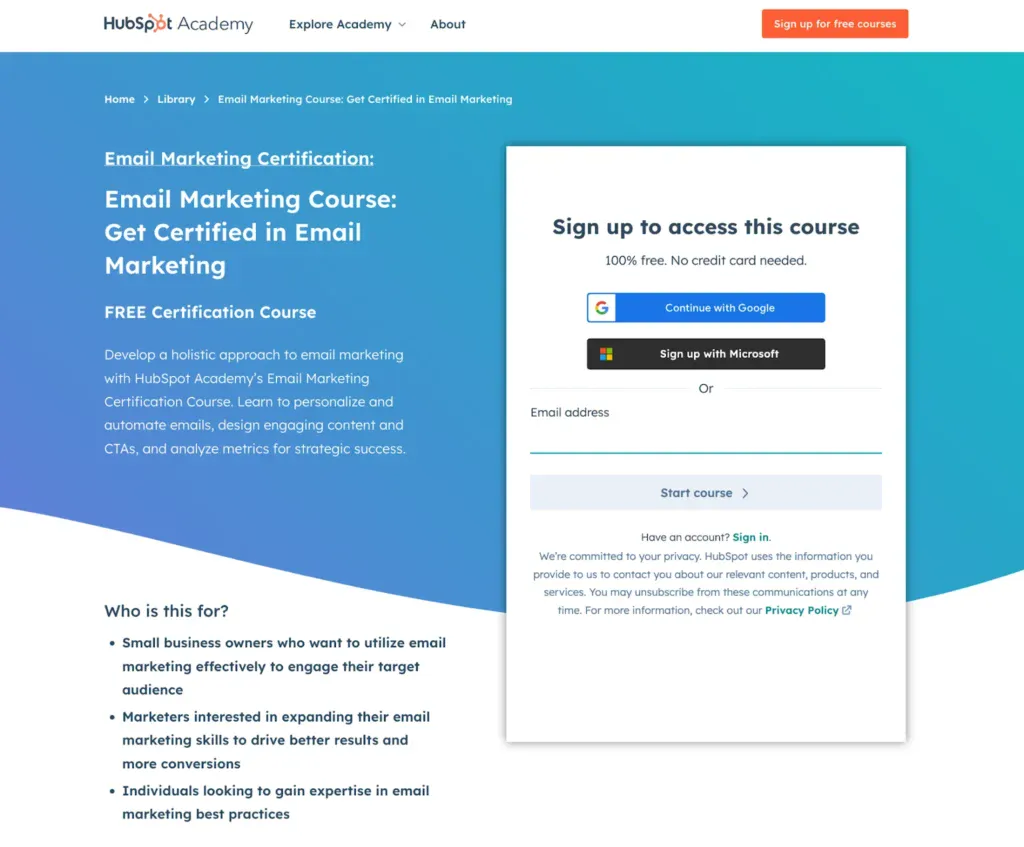
HubSpot understands this well. Many of its lead magnets are designed to help users complete a specific task. That could mean planning a campaign, building a buyer persona, auditing a website, writing a sales email, creating a content calendar, or improving a customer service process.
This is why lead magnets are so effective in the HubSpot UX funnel. They do not simply promise education. They help users make progress.
A strong lead magnet usually has three qualities. It is specific, useful, and easy to apply. The user should immediately understand what it does, why they need it, and how it will help them. The more practical the resource feels, the more likely the user is to convert.
This is especially important in B2B marketing, where buyers are often researching before they are ready to talk to sales. A useful lead magnet allows a brand to earn trust early. It gives the user a small win before asking for a bigger commitment.
HubSpot’s lead magnets also create a smart bridge between education and product relevance. A template or guide may solve an immediate problem, but it can also reveal a larger need. For example, someone downloading a campaign planning template may eventually need automation software. Someone using a CRM checklist may be closer to evaluating a CRM platform. Someone downloading a sales pipeline guide may need tools to manage deals more effectively.
The lead magnet captures the user at the moment of intent.
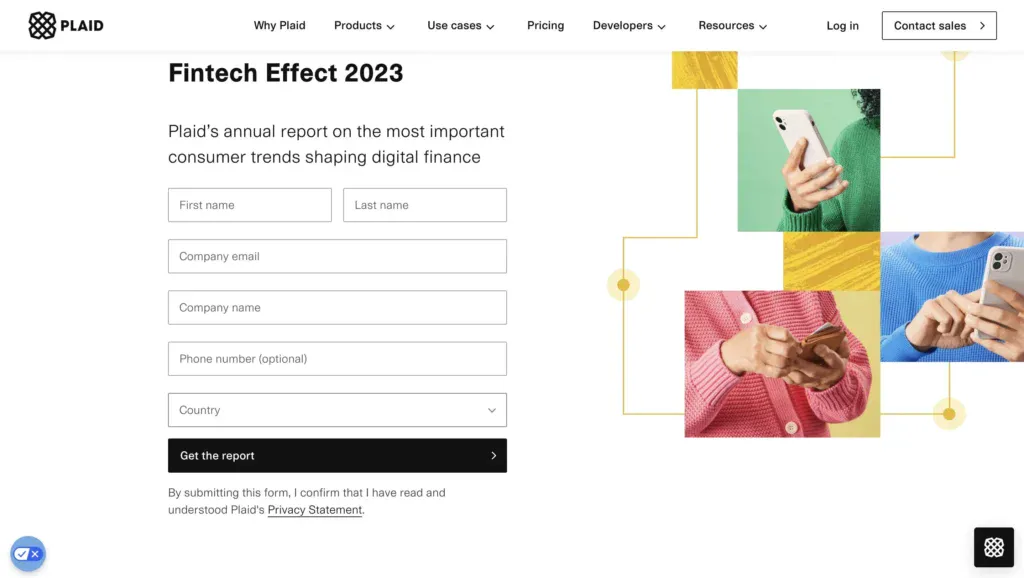
This is why lead magnets should not be treated as random freebies. They should be designed around the problems your product or service helps solve. When the lead magnet and the core offer are connected, the funnel becomes more coherent.
RAW Studio’s article on How Stripe Uses 4 Developer-First UX Principles to Drive Massive Adoption highlights the power of reducing effort for a specific audience. Stripe makes adoption easier by serving developers with the resources and experience they need. HubSpot does something similar for marketers, sales teams, and business owners. It gives them practical resources that reduce the effort required to move forward.
For other brands, the application is clear. Build lead magnets that help users solve a real problem, not just consume more content.
Strategy 4: Progressive Profiling That Reduces Form Friction
Progressive profiling is one of the most important UX strategies in HubSpot’s funnel system.
The idea is simple. Instead of asking for too much information at once, a website collects information gradually over multiple interactions. If a user has already provided their name and email, the next form can ask for different information, such as company size, role, industry, or current challenge.
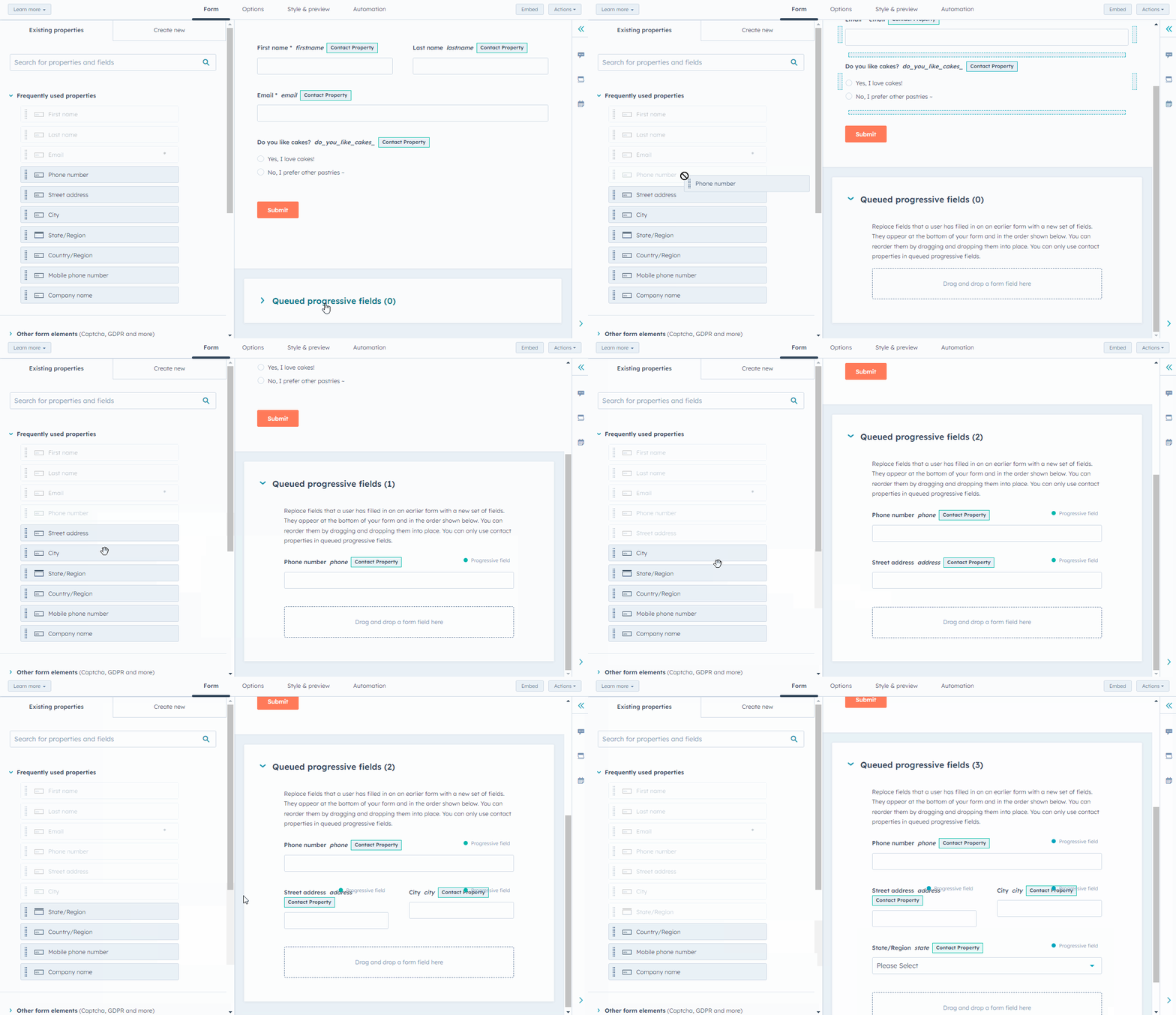
This improves the user experience because it reduces friction.
Long forms can feel intimidating, especially for users who are still early in the buying journey. If someone wants a simple template, asking for ten fields can feel excessive. They may abandon the form because the effort does not match the perceived value of the offer.
Progressive profiling solves this by making the first conversion easier. The business still collects valuable data over time, but it does not force the entire data exchange into one moment.
This is smart UX because it respects the relationship stage.
A new visitor should not be treated like a high-intent sales lead. A returning lead who has downloaded multiple resources may be more willing to answer additional questions. As trust builds, the business can ask for more context. The form experience becomes adaptive instead of static.
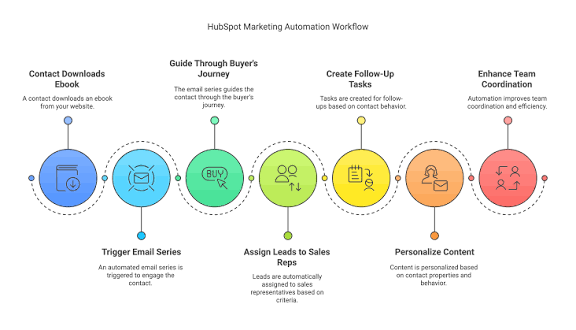
HubSpot’s progressive profiling also supports better personalization. As the business learns more about the user, it can segment leads, trigger more relevant workflows, and tailor follow-up content based on real behavior and profile data.
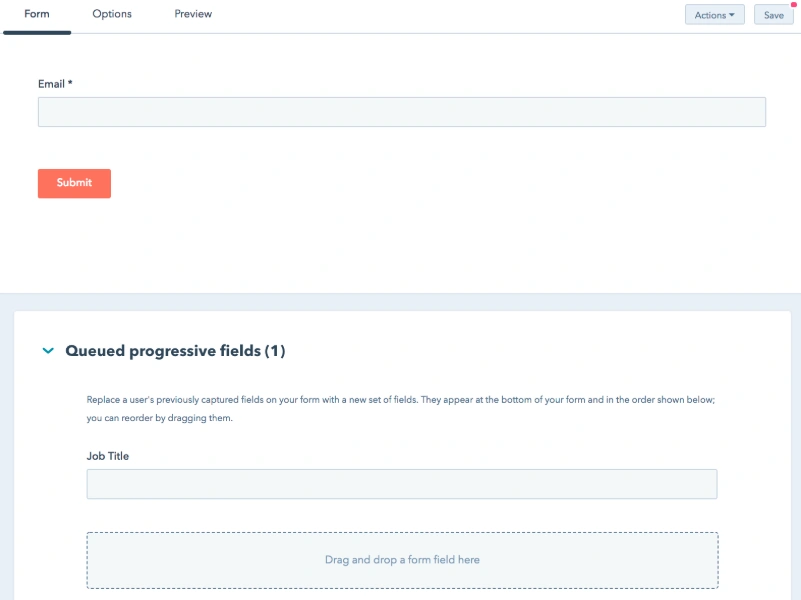
This benefits both sides. The user receives more relevant communication. The business improves lead quality without adding unnecessary friction upfront.
For brands, the takeaway is important. Lead capture should not be designed only around what the business wants to know. It should be designed around what the user is willing to give at that stage of the journey.
The best forms feel proportionate. They ask for enough information to create value, but not so much that they break momentum.
Why HubSpot UX Works: A Clear Value Exchange
The reason these four strategies work together is simple: HubSpot creates a clear value exchange.
The visitor gives attention and receives useful content. Then they give contact information and receive a more practical resource. Over time, they give more context and receive more relevant follow-up. Eventually, if the fit is right, they may move toward a product trial, demo, or sales conversation.
Each step has a purpose.
This is what separates a strong funnel from a pushy one. A weak funnel asks before it gives. A strong funnel gives first, then asks for a reasonable next step.
HubSpot UX works because it understands that conversion is not just about persuasion. It is about timing, relevance, and trust. The user needs to feel that the next step makes sense based on what they are trying to achieve.
That is why the journey from content to leads to customers feels more natural when it is built around user needs. The funnel does not need to trick people into converting. It simply needs to make the next step valuable enough to take.
How Other Brands Can Apply HubSpot’s UX Funnel Strategy
The most useful part of studying HubSpot UX is not to copy its exact funnel. HubSpot has a large content engine, a mature CRM, and a broad product ecosystem. Most businesses will not be able to replicate that scale immediately.
But the underlying principles are very applicable.
Offer Value First
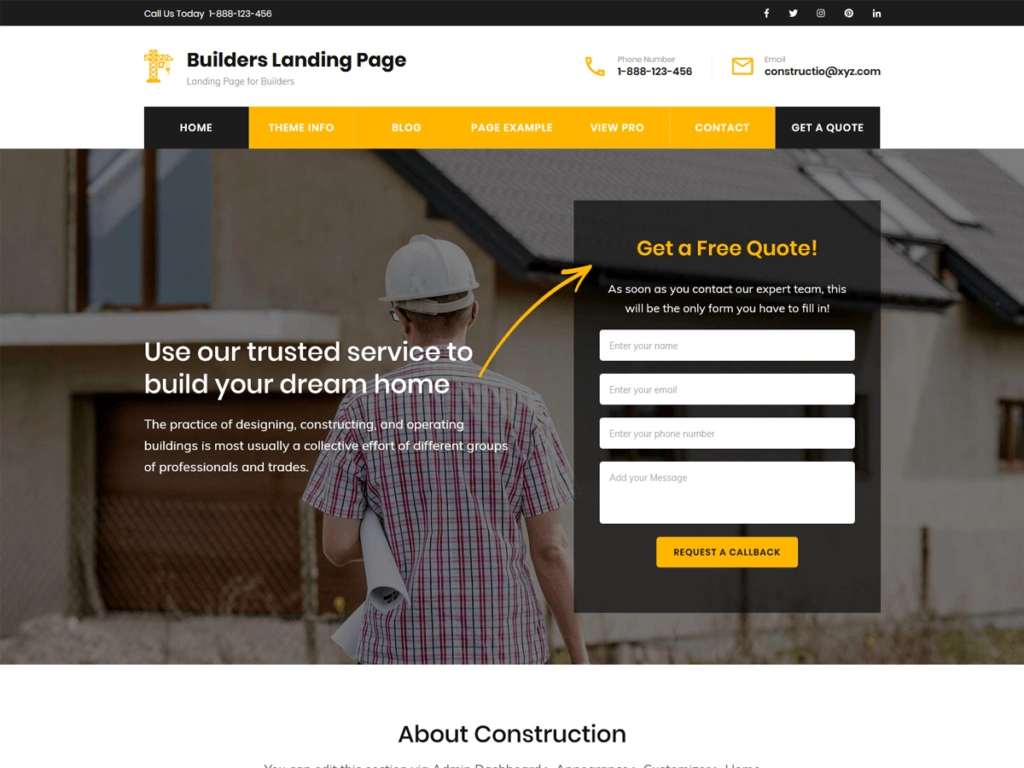
The first step is to stop treating lead generation as the first interaction. Before asking users to book a call, create an account, or hand over their details, give them something useful.
This could be a practical guide, a calculator, a checklist, a mini audit, a template, a comparison page, or a diagnostic tool. The format matters less than the usefulness. The goal is to make the user feel that interacting with your brand helps them make progress.
When you offer value first, the conversion feels earned rather than forced.
Capture Intent
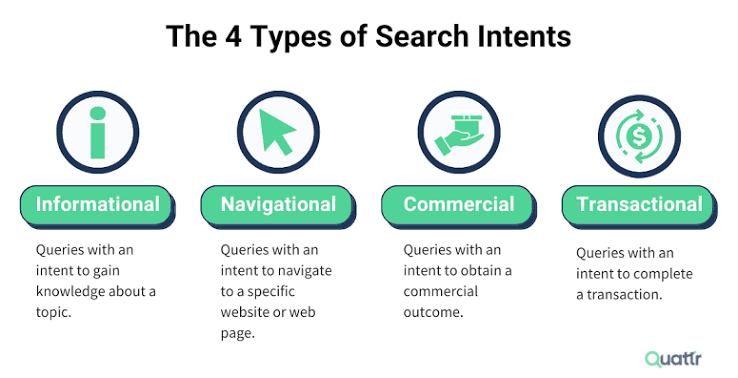
Not all traffic has the same intent. A visitor reading a beginner’s guide is different from someone comparing pricing options. A visitor downloading a checklist is different from someone viewing case studies. A good funnel captures these differences.
HubSpot does this by aligning offers with content topics and funnel stages. Other brands can do the same by mapping their pages to user intent.
For every key page, ask what the visitor is likely trying to do. Are they learning? Comparing? Diagnosing? Planning? Buying? Then create a CTA or lead magnet that matches that intent.
This makes the funnel feel more relevant and improves the quality of leads captured.
Optimize Funnels Continuously
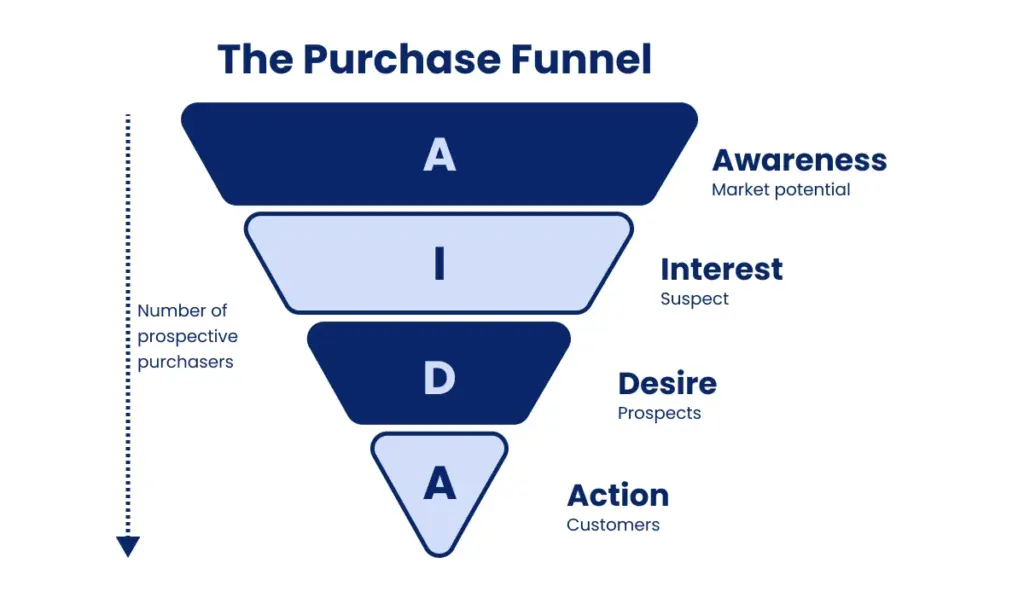
A funnel is never finished. CTAs, forms, landing pages, resource offers, email sequences, and demo prompts should be tested and improved over time.
Small changes can have a large impact. A clearer CTA can increase clicks. A shorter form can improve completion rates. A more specific lead magnet can attract better-fit prospects. A stronger landing page headline can make the value exchange easier to understand.
The goal is not to add more funnel steps. The goal is to remove confusion, reduce friction, and make each step feel more useful.
This is where UX and conversion strategy overlap. Better funnels are not always more aggressive. Often, they are simply clearer.
Final Thoughts
HubSpot UX is a strong example of how content can become more than a traffic channel. When designed well, content becomes the first step in a conversion journey that turns anonymous visitors into known leads and known leads into customers.
The four strategies behind this journey are gated content, strong CTAs, lead magnets, and progressive profiling. Each one plays a different role, but they all work because they are built around a clear value exchange.
Gated content gives users a reason to share information. Strong CTAs guide them toward the next step. Lead magnets solve immediate problems. Progressive profiling reduces friction while improving lead quality over time.
For any business trying to improve website conversions, the lesson is clear. Do not think only about getting more traffic. Think about what happens after people arrive.
Offer value first. Capture intent. Optimize the funnel.
That is how content becomes leads, and how leads become customers.
Turn Your Website Traffic Into Better Leads
HubSpot UX proves that traffic only becomes valuable when the journey after the click is designed with intent. If your website attracts visitors but struggles to turn them into qualified leads, the issue may not be your traffic. It may be the funnel experience.
At RAW Studio, we help businesses design websites that are clearer, sharper, and built to convert. From UX strategy to website design and conversion-focused landing pages, we create digital experiences that guide users toward the right action without unnecessary friction.
If you want to improve your website funnel and turn more visitors into leads, start your project with RAW Studio today:
Get a UX & CRO Expert’s Eyes on Your Website. Book a free 30-minute UX Teardown and get actionable insights on what’s costing you conversions — no fluff, just fixes you can implement right away.
Book a Free UX Audit
Related posts

Reducing Checkout Abandonment Through Micro UX
Checkout abandonment remains one of the most costly challenges facing online businesses today. After investing significant resources to attract users, […]
Empty States, Error States & Onboarding: The Hidden UX Moments Users Notice
When discussing user experience design, the spotlight often falls on primary workflows. Design teams tirelessly debate color schemes, button placements, […]

How LinkedIn Converts B2B Traffic with 3 High-Trust UX Strategies
LinkedIn UX has become one of the strongest examples of how intentional design can transform professional traffic into high-quality B2B […]
Creative product design that gets results
Take your company to the next level with world class user experience and interface design.
get a free strategy session
