
How Medium Converts Readers with 3 Content UX Strategies

Medium UX shows how a clean, value-first reading experience can turn casual readers into paying subscribers.
Most content platforms fight for attention with more noise. They add sidebars, banners, pop-ups, autoplay videos, recommended widgets, and endless interface elements that pull people away from the article they came to read. Medium takes a different approach. It keeps the experience focused on the content itself, then uses that attention to build trust, create habit, and guide readers toward subscription.
This is what makes Medium an interesting case study in content UX. The platform does not only publish content. It designs the entire reading journey around clarity, focus, and perceived value. Readers are not immediately pushed into a payment decision. Instead, they experience the quality of the content first. They browse, read, highlight, follow writers, and discover ideas before the subscription prompt becomes part of the journey.
That matters because content subscriptions depend on a simple emotional shift. A reader must move from “I am reading one article” to “I want ongoing access to this kind of value.” Medium UX supports that shift by reducing friction at the start and introducing monetization at moments when the reader has already experienced enough value to understand what they would be paying for.
In this article, we will break down three content UX strategies Medium uses to convert readers into subscribers: a clean reading experience, smart paywall timing, and value-first content. We will also look at why these strategies work and how other businesses can apply the same thinking to their own websites, blogs, and content funnels.
Table of Contents
Why Medium UX Is Built Around Reader Trust
A content platform cannot convert readers if people do not enjoy reading on it.
That may sound obvious, but many publishing websites ignore it. They treat the article page as an advertising container rather than a reading environment. The result is often a cluttered experience where the content is technically present, but visually and emotionally difficult to consume.
Medium understands that the reading experience is the product.
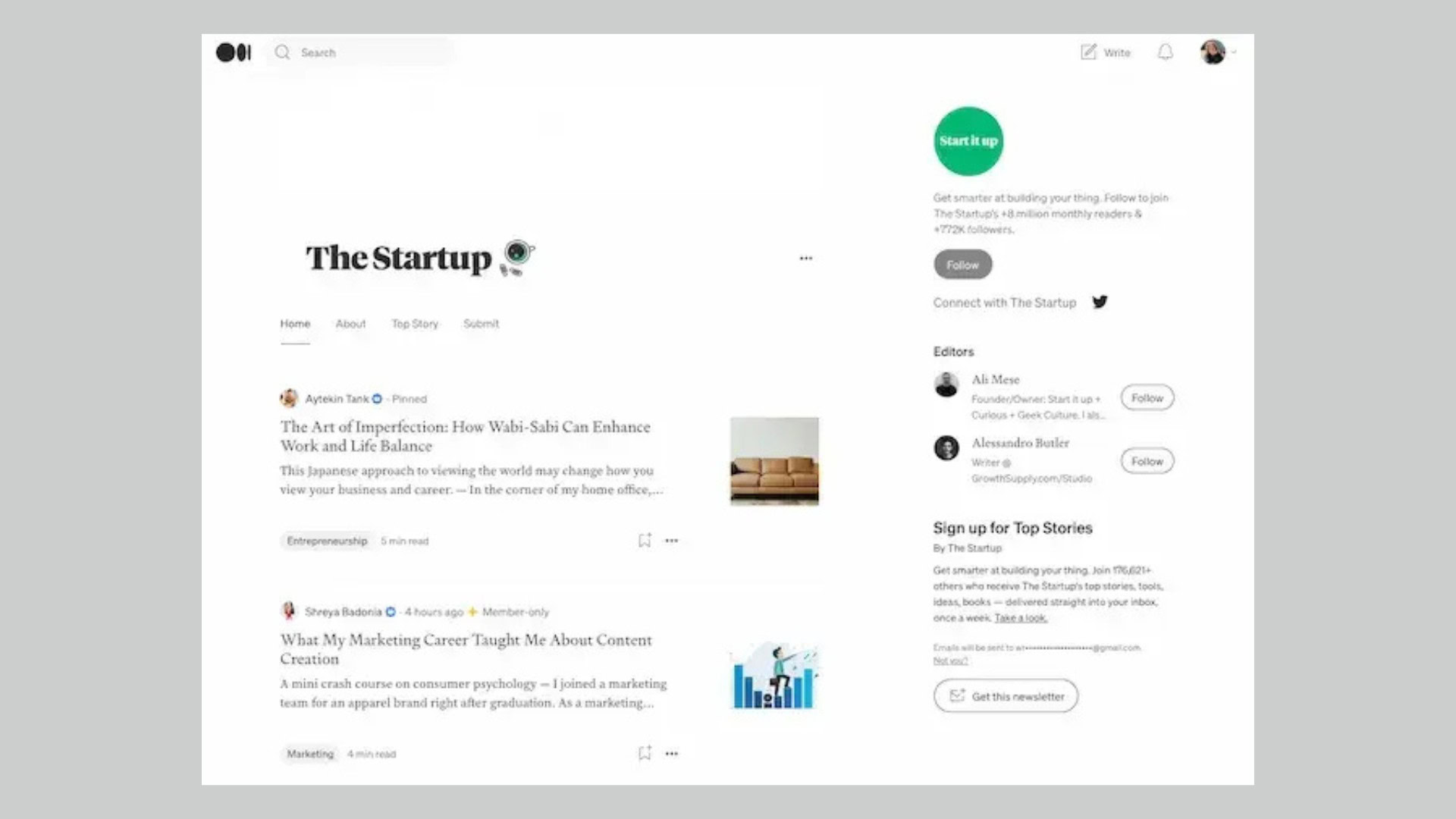
Every design decision supports the user’s ability to focus. The typography is clean. The layout is spacious. The page structure is simple. The reading flow is uninterrupted compared with many traditional media websites. The platform creates an environment where the article feels important, not secondary to the surrounding interface.
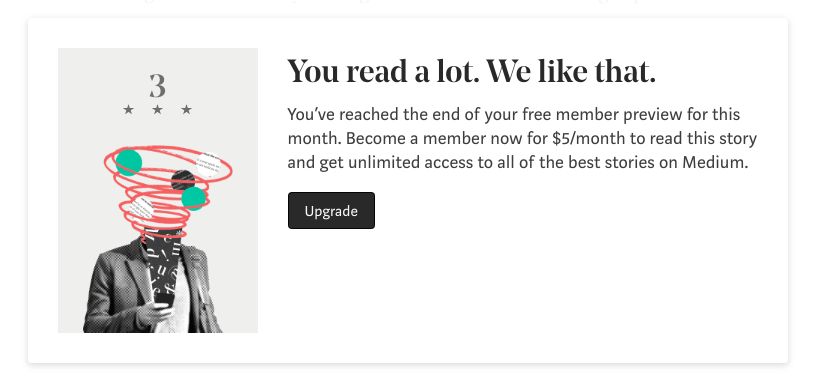
This matters because subscription decisions are built on repeated positive experiences. A reader is unlikely to pay for access if the free experience already feels frustrating. But if the experience feels calm, useful, and enjoyable, the reader begins to associate the platform with quality.
Medium UX does not try to force that trust too early. It earns it through the experience.
RAW Studio explores a similar principle in its article on How IKEA Uses 4 UX Strategies to Simplify Complex Buying Decisions. The key idea is that good UX reduces mental effort. IKEA does it for buying furniture. Medium does it for reading and discovering ideas. In both cases, the interface works because it makes the next step feel easier.
For Medium, the next step is not always immediate payment. Sometimes it is finishing an article. Sometimes it is following a writer. Sometimes it is reading another post. Each small action builds engagement, and engagement is what eventually makes subscription feel reasonable.
Strategy 1: A Clean Reading Experience That Keeps Attention on the Content
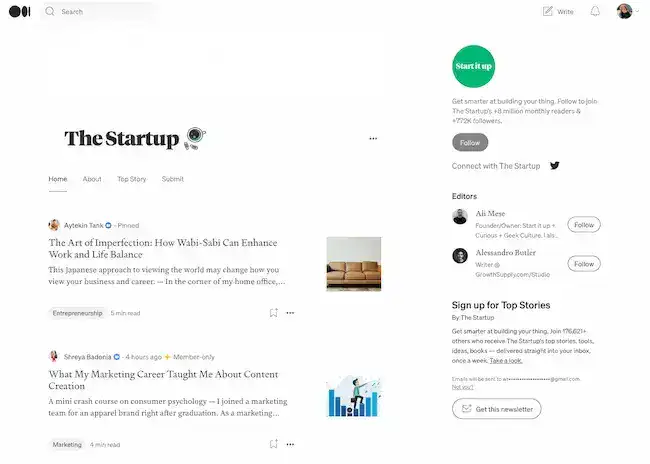
The first major Medium UX strategy is its clean reading experience.
Medium’s article pages are designed to make reading feel effortless. The page is not overloaded with visual distractions. The content column is clear. The typography is readable. Images support the article rather than overwhelming it. The interface gives the reader enough space to stay focused.
This is important because attention is fragile. Every unnecessary element on a content page competes with the article. A busy sidebar, aggressive ad unit, unrelated pop-up, or confusing layout can break momentum. Once a reader loses focus, they are more likely to leave before they experience the full value of the content.
Medium minimizes that risk by making the article the center of the experience.
This clean design also creates a perception of quality. When a page feels calm and intentional, the content often feels more credible. Readers are more likely to slow down, absorb the message, and continue exploring. In a subscription model, that perception matters because people do not only pay for information. They pay for a better way to access, consume, and return to that information.
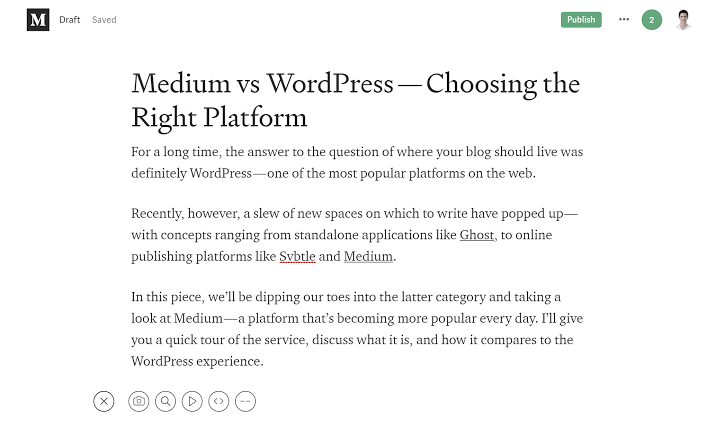
A clean reading experience also helps writers. On Medium, the design gives independent writers a polished environment without requiring them to build their own publication system. This benefits the platform because better presentation improves the perceived value of the content library as a whole.
For businesses, this is one of the most practical lessons from Medium UX. If your blog exists to generate leads, build authority, or support conversions, readability is not cosmetic. It is commercial.
A reader who struggles to scan your article, understand your structure, or continue reading on mobile is less likely to trust your brand. They may not reach your CTA. They may not remember your message. They may not come back.
RAW Studio’s article on Common Design Red Flags From Your Website You Might Be Missing makes this point clearly in a broader website context. Poor visual hierarchy, weak mobile experience, slow pages, and unclear calls to action all create friction. On a content page, those same issues can turn useful insights into a forgettable experience.
To apply this idea, businesses should start by reviewing their own content pages. Is the font size comfortable? Are paragraphs easy to read? Does the page work well on mobile? Are CTAs visible without interrupting the reader too early? Is the article structured with enough headings and spacing to make scanning easy?
The goal is not to make every blog look like Medium. The goal is to make reading feel easy enough that users stay long enough to experience the value.
Strategy 2: Smart Paywall Timing That Lets Users Experience Value First
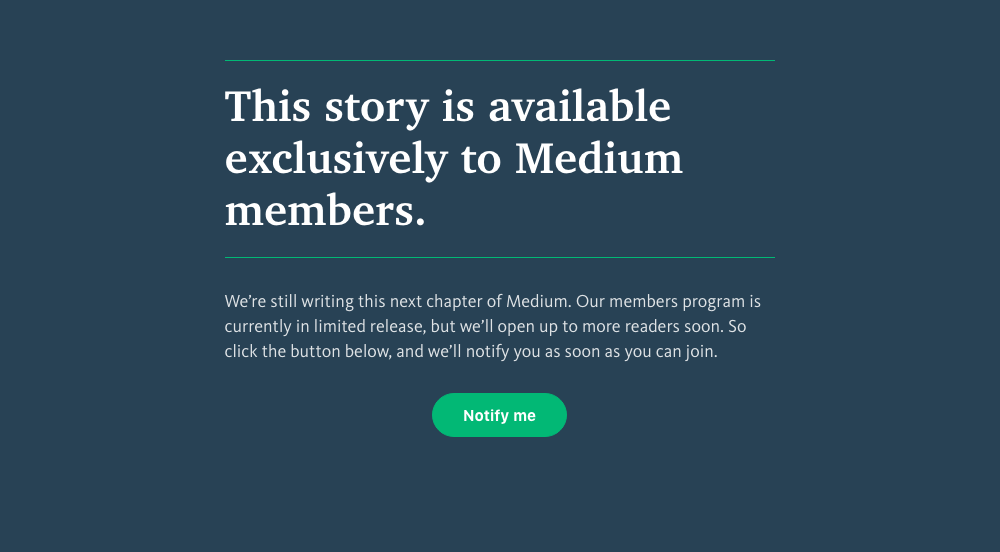
The second strategy behind Medium UX is smart paywall timing.
A paywall is a delicate UX moment. If it appears too early, it can feel like a wall rather than an invitation. If it appears too late, the platform may lose opportunities to convert engaged readers. The challenge is to introduce payment at a point where the reader understands the value of what they are being asked to pay for.
Medium’s subscription model works because users can often experience meaningful value before being asked to subscribe. Readers can discover writers, read selected content, browse topics, and develop a sense of what the platform offers. The paywall becomes more persuasive when it appears after the reader has already seen enough to care.
This is very different from asking for payment before the user has any reason to trust the experience.
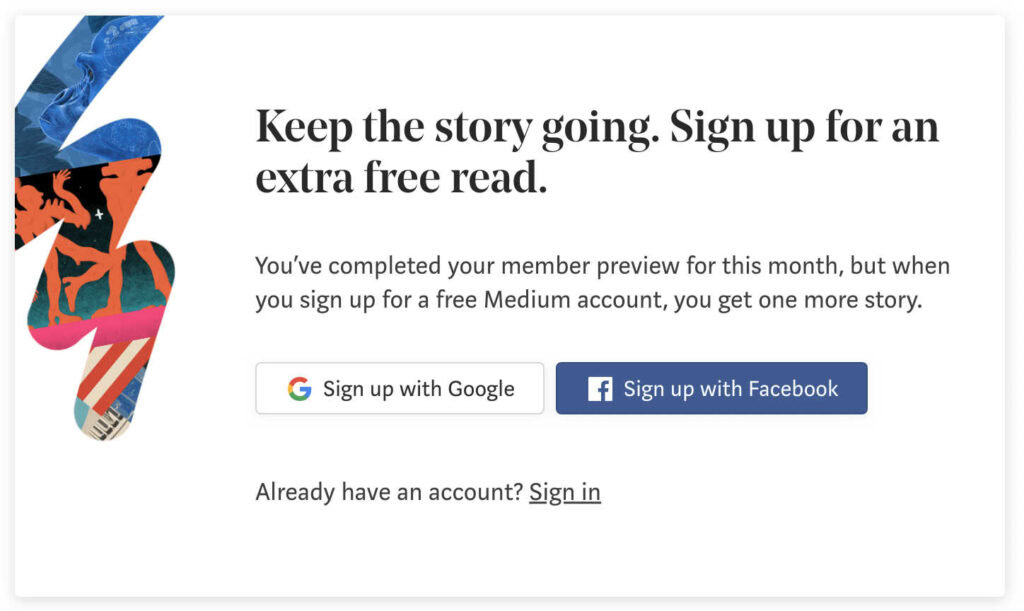
The timing matters because conversion is emotional as much as rational. When a reader hits a paywall after finding an article they genuinely want to finish, the prompt is connected to a specific desire. They are not paying for an abstract subscription. They are paying to continue accessing content that already feels useful or interesting.
That context makes the subscription offer stronger.
Smart paywall timing also creates a balance between openness and exclusivity. Medium needs enough free access to attract readers, support discovery, and help writers reach new audiences. But it also needs enough premium restriction to make membership valuable. The UX challenge is to maintain that balance without making the platform feel hostile to new users.
This is where many subscription businesses struggle. They either hide too much value too early or give everything away without creating a meaningful reason to subscribe. Medium sits between those extremes by allowing users to experience value first, then presenting the subscription as the path to more of that value.
The same idea applies beyond publishing.
A SaaS company might let users explore a free tool before asking them to upgrade. An agency might offer a detailed guide before inviting prospects to book a consultation. An ecommerce brand might let users explore reviews, sizing help, and product education before pushing an account sign-up. In each case, the conversion point works better when it follows a moment of value.
RAW Studio’s article on 5 Common Mistakes That Kill Form Conversions + How To Avoid Them connects well with this principle. Forms and conversion prompts often fail when they ask for too much, too soon, or appear without enough context. A paywall is similar. It is a conversion point, and conversion points need timing, relevance, and trust.
For businesses, the question is simple. Are you asking users to commit before they have experienced enough value?
If the answer is yes, the problem may not be the offer itself. The problem may be the timing.
Strategy 3: Value-First Content That Makes Subscription Feel Logical
The third Medium UX strategy is value-first content.
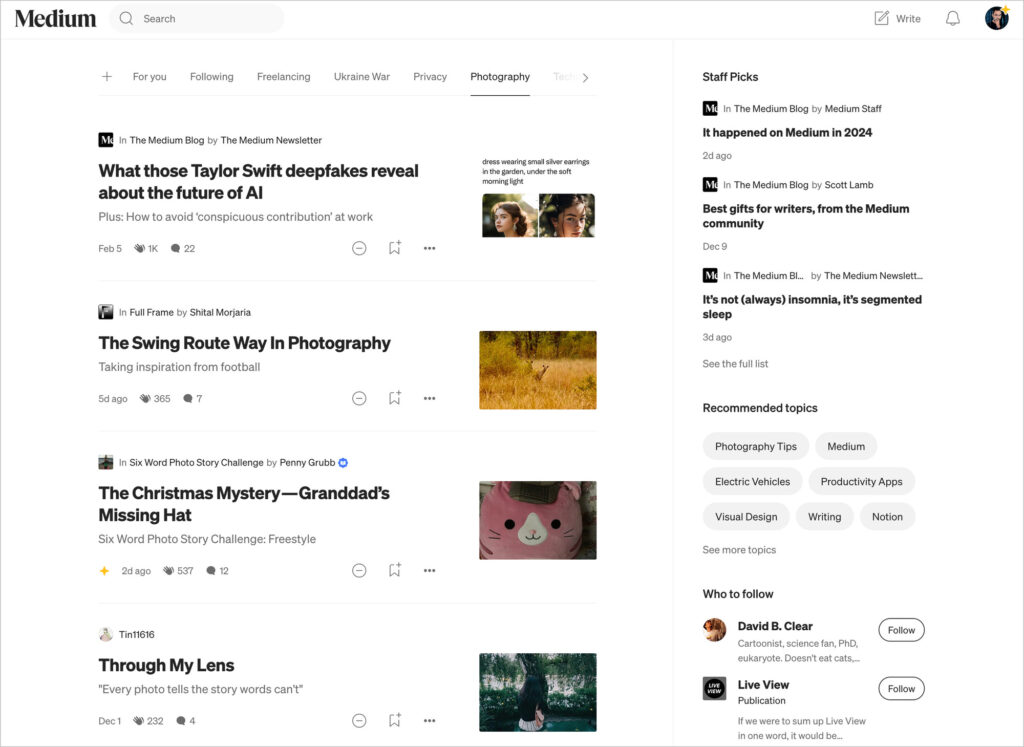
Medium’s subscription model depends on the feeling that there is always something worth reading. This means the content experience has to deliver value before the payment decision. Readers need to encounter enough useful ideas, strong writing, unique perspectives, or expert insights to believe that ongoing access is worth paying for.
This is where content quality and UX work together.
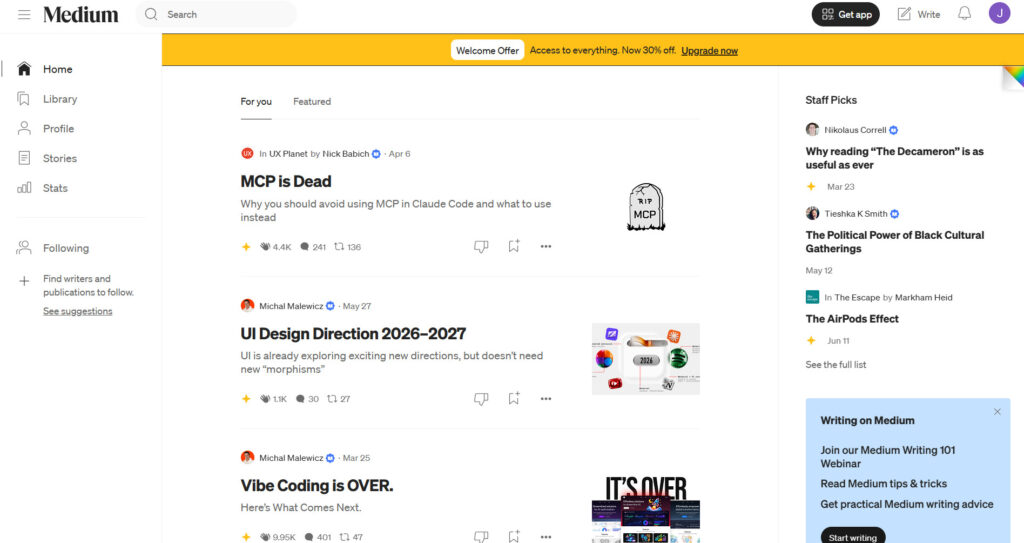
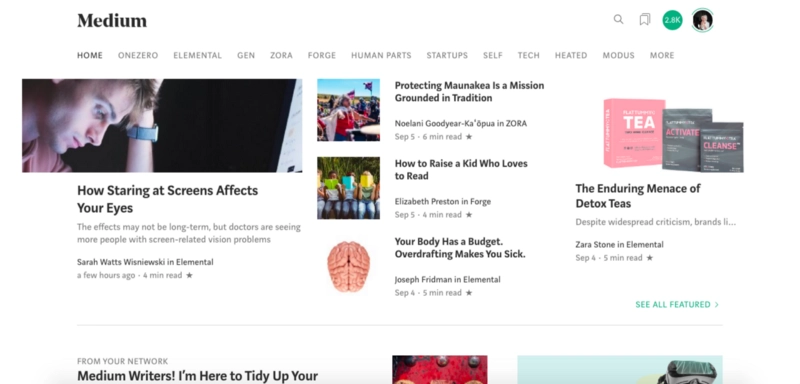
Good content attracts attention, but good UX helps readers experience that content fully. Medium’s interface supports discovery through topics, recommendations, writer profiles, publications, and reading history. These features help readers move from one article to another without feeling lost.
That creates a content loop. A reader finishes one article, finds another relevant piece, follows a writer, receives recommendations, and returns later. Over time, the platform becomes part of the reader’s routine. Subscription becomes more logical when the reader already sees Medium as a recurring source of value.
Value-first content also reduces the feeling of risk. Paying for a subscription is easier when users already know what kind of value they can expect. Medium gives users enough exposure to develop that confidence.
For businesses, this is a major lesson. A content strategy should not be built only around ranking for keywords. It should be built around proving value.
Search traffic may bring users in, but value keeps them engaged. A blog post that answers a real question, explains a complex topic clearly, or helps someone make a better decision can create trust that supports future conversion. A shallow article may attract clicks, but it rarely creates a relationship.
RAW Studio’s article on How Stripe Uses 4 Developer-First UX Principles to Drive Massive Adoption shows how powerful this can be when a brand understands its audience deeply. Stripe wins trust by giving developers clear documentation, useful tools, and a product experience designed around their needs. Medium applies a similar principle to readers and writers. It focuses on the value users came for, then builds the business model around that value.
The takeaway is not that every business needs a subscription model. The takeaway is that users convert more easily when they have already benefited from the experience.
Before asking for an email, a demo booking, a trial, or a payment, businesses should ask whether the page has delivered enough value to justify the next step.
Why Medium UX Works: Users Experience Value Before Paying
Medium UX works because it understands the order of trust.
First, users need to experience value. Then they need to believe that value will continue. Only then does payment feel reasonable.
This sequence is important. Many businesses reverse it. They ask users to subscribe, book, buy, or sign up before proving why the action is worth it. That creates resistance because the user is being asked to take a risk.
Medium reduces that risk by making value visible.
The clean reading experience helps users focus. The smart paywall timing gives them a reason to care before asking them to pay. The value-first content model makes the subscription feel like access to more of something they already want.
This creates a more natural conversion journey. Readers are not pushed from attention to payment in one step. They move through a series of smaller experiences that build confidence.
They read something useful. They discover a writer they like. They see the quality of the platform. They reach a point where continued access matters. The subscription offer then feels connected to the value they have already experienced.
That is why Medium’s model is a useful lesson for any business that relies on content to drive conversion. The goal is not simply to hide content behind a wall. The goal is to design the journey so users understand the value before they are asked to commit.
How Businesses Can Apply Medium’s Content UX Strategy
Most companies do not need to copy Medium directly. A B2B SaaS company, ecommerce store, agency, or service business will have a different model. But the principles behind Medium UX are widely applicable.
The three most useful ideas are improving readability, timing conversion moments carefully, and focusing on value before asking for commitment.
Improve Readability
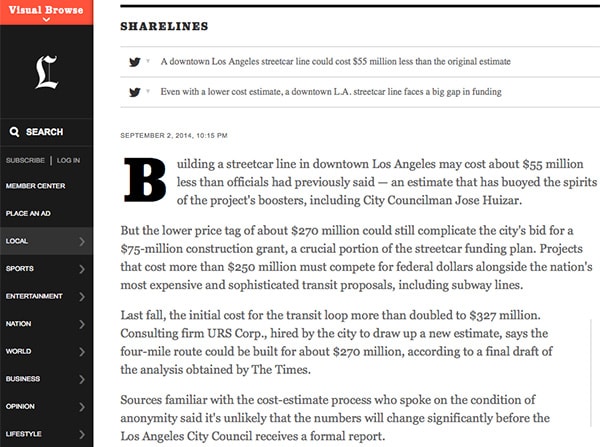
Readability is one of the most underrated conversion factors.
If users cannot comfortably read your content, they will not fully experience your expertise. This affects trust, engagement, and conversion. A blog post may contain strong ideas, but if the layout is dense, the page is slow, or the mobile experience is poor, those ideas lose impact.
Improving readability starts with the basics. Use clear headings. Keep paragraphs manageable. Choose a comfortable font size. Make sure line length is not too wide. Add enough spacing between sections. Avoid clutter around the article body. Make the page easy to scan before expecting users to read deeply.
Readability also includes content structure. A strong introduction should tell readers what the article will help them understand. Each section should move the argument forward. CTAs should appear at natural moments, not randomly.
The easier your content is to consume, the more likely users are to stay long enough to trust you.
Time Paywalls and Conversion Prompts Carefully
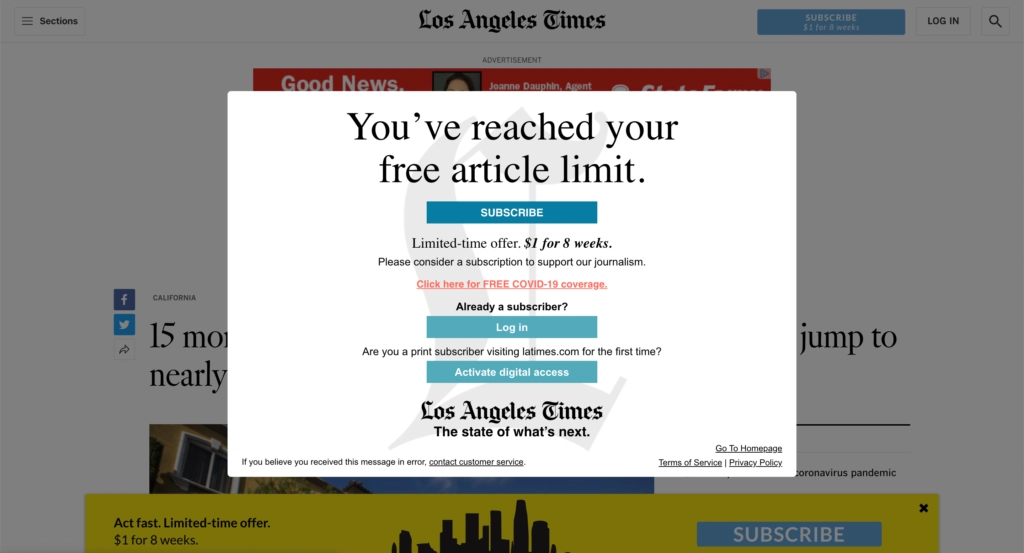
Every conversion prompt has timing.
For Medium, that prompt is often a subscription paywall. For your business, it might be a newsletter form, lead magnet, product trial, pricing CTA, contact form, or demo request.
The principle is the same. The prompt should appear after enough value has been delivered.
If a newsletter pop-up appears before the reader has consumed even one paragraph, it is asking for commitment too early. If a demo CTA appears before the user understands the problem or solution, it may feel premature. If a lead form blocks access to basic information, it may create frustration rather than interest.
Better timing creates better conversion.
Place CTAs where they match the user’s likely intent. After an educational section, offer a related guide. After a comparison section, suggest a consultation. After a product explanation, offer a demo. The prompt should feel like the next logical step, not an interruption.
Focus on Value
The strongest content funnels are built on value, not tricks.
Medium converts readers because users can experience the value of the content before paying. Businesses can apply the same idea by making every content page genuinely useful. That means answering real questions, showing expertise, and helping users make progress.
Value-first content does not mean giving everything away for free. It means giving enough useful insight to build trust. Once trust exists, users are more likely to take the next step.
For example, an agency might publish a detailed article that helps a founder identify why their website is not converting. The article gives real value, but it also creates awareness that solving the issue properly may require expert help. A SaaS company might offer a practical framework that helps a team understand a workflow problem, then invite them to try software that solves it faster.
This is how content becomes a conversion asset. It teaches, builds confidence, and creates a natural path toward action.
Want to Turn Your Content Experience Into More Conversions?
Medium UX proves that readers are more likely to convert when they experience value before they are asked to commit. The same principle applies to your website. If your content attracts traffic but does not turn that attention into leads, enquiries, or customers, the issue may be the journey around the content.
RAW Studio helps businesses design websites, landing pages, and digital experiences that are clearer, easier to use, and built around conversion. From UX strategy to interface design and conversion-focused website improvements, RAW Studio can help you identify where users are dropping off and create a better path from attention to action.
If you want a sharper website experience that turns more visitors into qualified leads, request a proposal from RAW Studio here: https://raw.studio/proposal/
Final Thoughts
Medium UX is a strong example of how content platforms can convert readers without making the experience feel overly aggressive. Instead of overwhelming users with clutter or forcing payment too early, Medium focuses on clarity, timing, and value.
The clean reading experience helps users stay focused. Smart paywall timing introduces subscription at a moment when the reader understands the benefit. Value-first content gives users a reason to come back and eventually pay for ongoing access.
For businesses, the lesson is simple. Content does not convert because it exists. It converts when the experience around it is designed well.
Improve readability. Time conversion prompts carefully. Focus on value before asking for commitment.
That is how content earns trust, and how trust turns readers into subscribers, leads, and customers.
Get a UX & CRO Expert’s Eyes on Your Website. Book a free 30-minute UX Teardown and get actionable insights on what’s costing you conversions — no fluff, just fixes you can implement right away.
Book a Free UX Audit

Related posts
How Wise Uses 3 Transparency-First UX Principles to Build Trust in Fintech
Wise UX succeeds because it does not ask users to trust the brand before showing them why they should. Sending […]
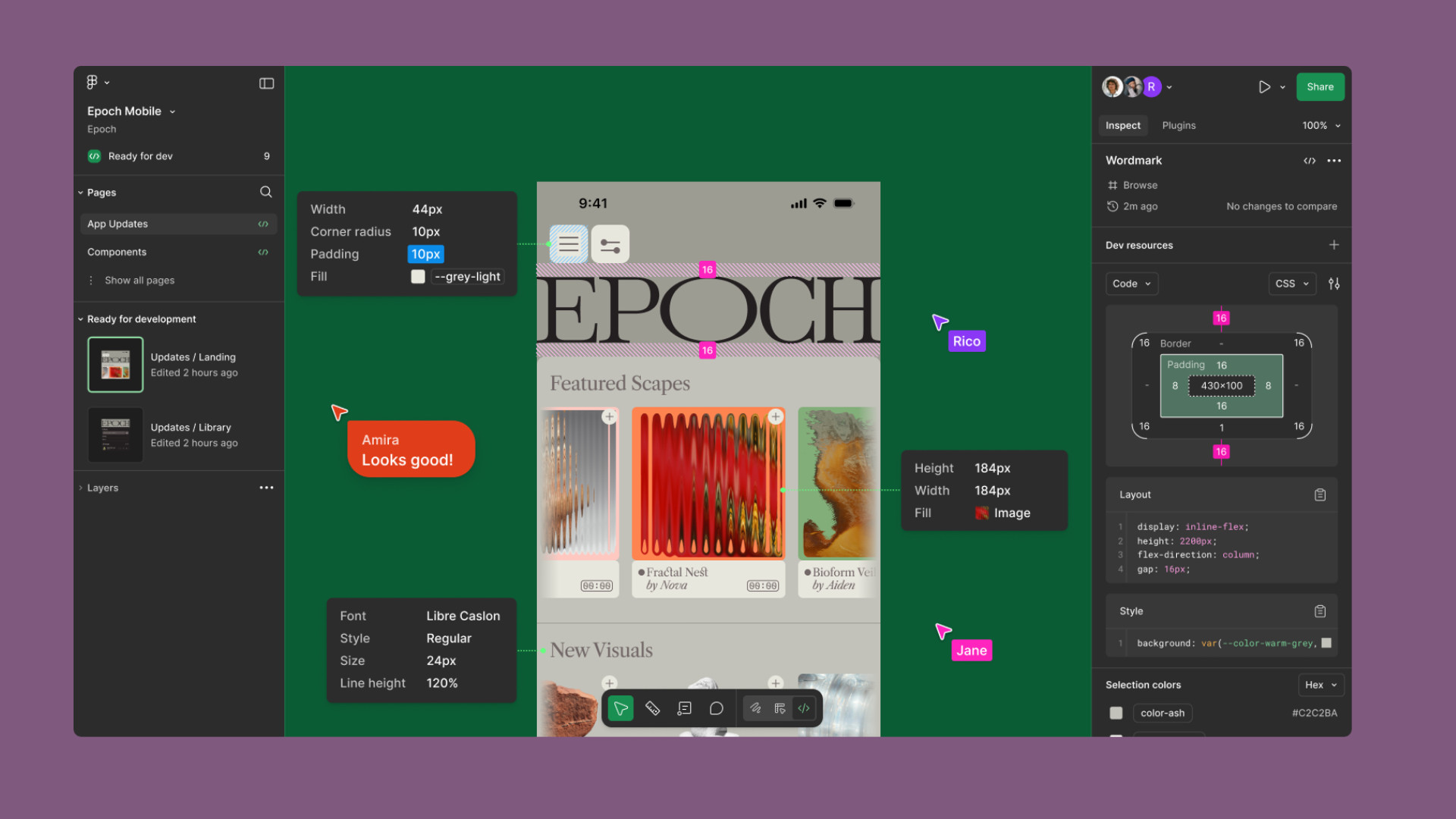
How Figma Uses 3 Collaboration UX Patterns to Drive Product Adoption
For years, digital design was treated as a largely solo activity. A designer worked in a desktop application, saved a […]
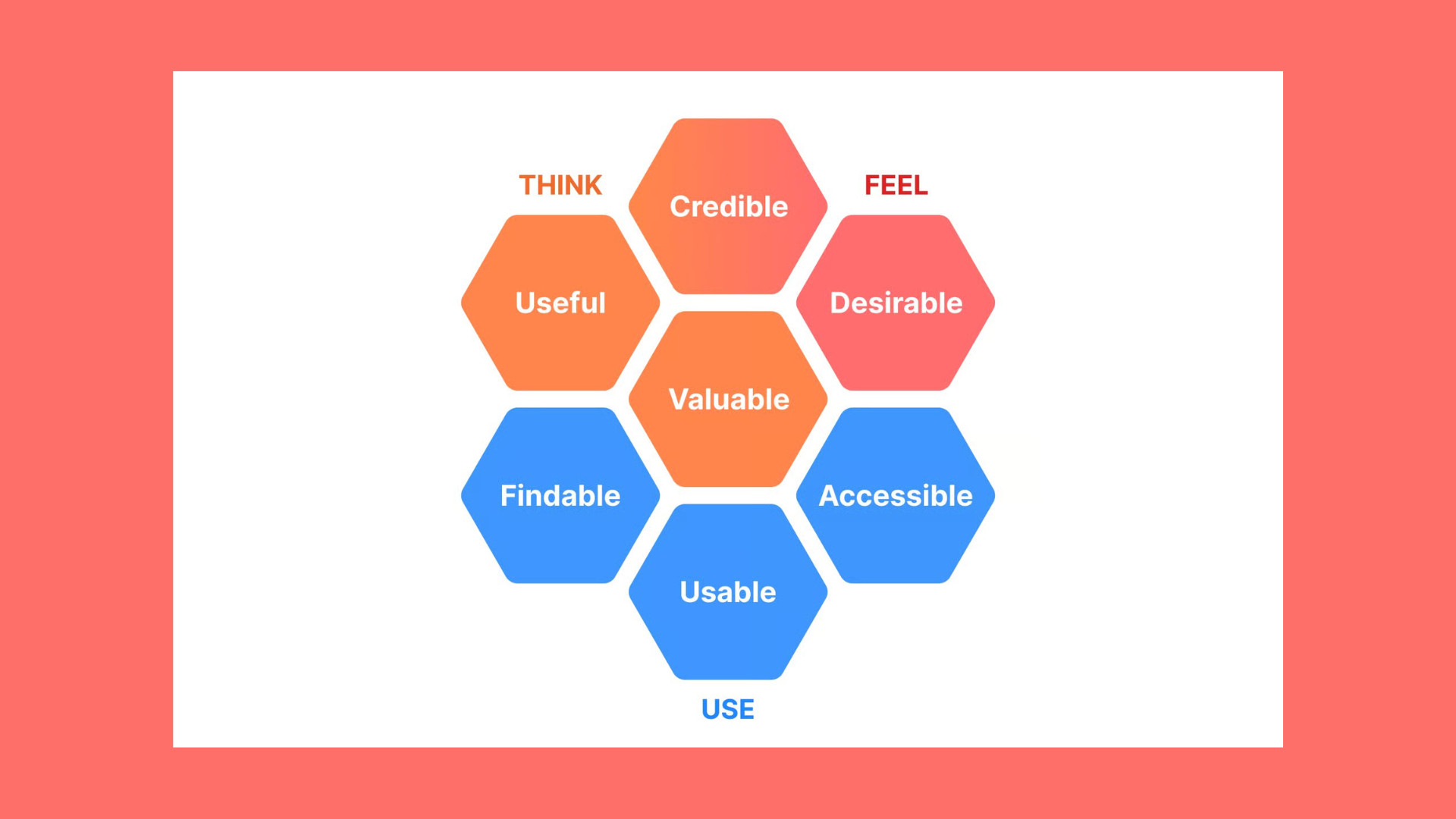
UX Alone Won’t Cut It: The Six Elements That Drive Product Value
Have you ever tried starting a motorcycle only to hear nothing but a sad click? You might have a full […]
Creative product design that gets results
Take your company to the next level with world class user experience and interface design.
get a free strategy session
